2026 Top Die Casting Molds Trends and Innovations?
The Die Casting Molds industry is undergoing significant transformation. Recent studies indicate a projected growth of over 5% annually until 2026. This growth is largely driven by the increasing demand in automotive and consumer electronics sectors. Key innovations are emerging, focusing on enhanced productivity and sustainability.
Die casting molds technology is evolving with advanced materials. Lightweight alloys and high-precision machining are setting new standards. However, challenges remain. Many manufacturers face issues related to production efficiency and waste management. Adopting new technologies can improve outcomes but requires investment and training.
The landscape of die casting molds is changing rapidly. Companies must adapt or risk falling behind. Embracing smart manufacturing and automation can offer solutions. Yet, the industry must reflect on how to balance innovation with environmental responsibility. The journey toward 2026 promises both opportunities and hurdles.
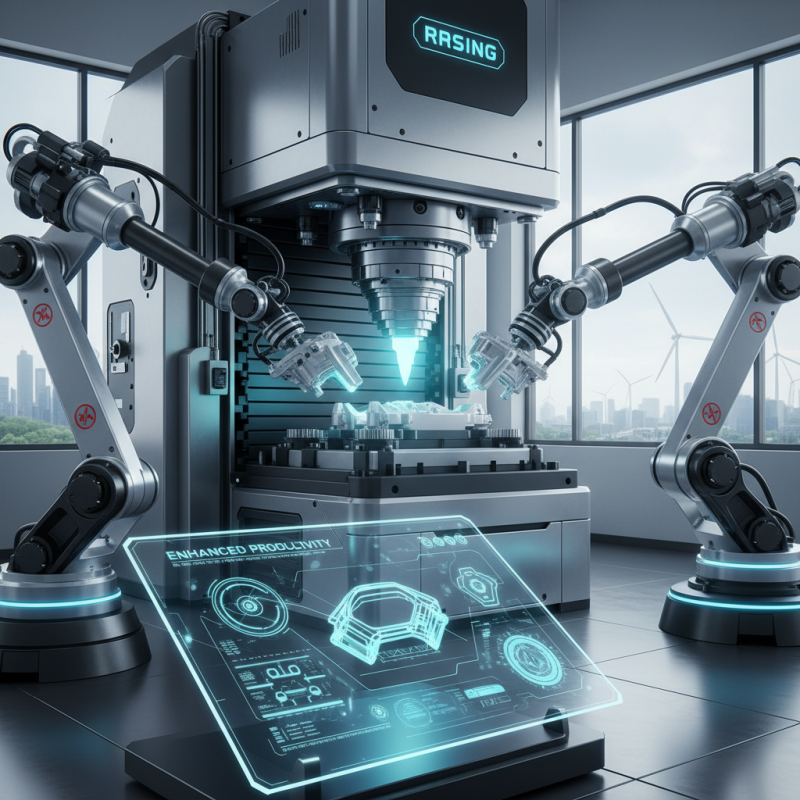
Emerging Technologies in Die Casting Mold Design for 2026
The die casting industry is experiencing a wave of innovations for 2026. Emerging technologies are reshaping mold design. Advanced simulation software enhances the design process significantly. This software allows engineers to predict potential issues before production begins, reducing waste. Virtual prototyping is becoming more common. It enables rapid iterations without the extensive costs associated with physical prototypes.
3D printing is increasingly integrated into mold production. It improves the precision of mold components and shortens lead times. However, adopting this technology can present challenges. Not all manufacturers have the expertise required to maximize its benefits. Moreover, traditional practices are deeply rooted, making transition difficult for some.
Sustainability is also a focus area. Manufacturers are exploring eco-friendly materials for molds. This shift reflects a growing awareness of environmental impact. Yet, the performance of these new materials must be meticulously evaluated. Striking a balance between performance and sustainability poses a challenge. The need for continuous improvements remains evident in the industry. Embracing these innovations could redefine die casting for years to come.
Sustainability Practices in Die Casting: Innovations for Eco-Friendly Molding
The die casting industry is rapidly evolving, focusing on sustainability. Eco-friendly practices are no longer optional but essential. Innovations in materials are leading the way. Recycling of aluminum waste is becoming common. This not only reduces costs but also minimizes environmental impact.
New technologies are making a difference. For instance, 3D printing aids in precision. It also cuts down on material waste. However, challenges remain. Not all companies are on board with these changes. Some stick to old methods, causing inefficiencies.
Tips for sustainability in die casting: Start by evaluating your material sources. Choose recycled inputs whenever possible. Implement energy-efficient machines to lower your carbon footprint. Regular maintenance of equipment can help in reducing waste. Aim for continuous improvement, and stay informed about new innovations.
Integration of Smart Technologies in Die Casting Molds
The integration of smart technologies in die casting molds is reshaping the industry. Sensors embedded in molds monitor temperature and pressure in real time. This data helps optimize the casting process, reducing waste and improving quality. However, not all manufacturers are equipped to leverage these advancements fully. Some may struggle with the initial investment and learning curve.
Artificial intelligence plays a vital role in this evolution. AI algorithms analyze data to predict potential defects. This proactive approach can save time and resources. Yet, the reliance on technology also raises questions about workforce displacement. Workers must adapt to new tools and methods, which can lead to resistance.
As firms adopt smart technologies, collaboration is key. Engineers and technicians need to be on the same page. Training programs should be developed to bridge the knowledge gap. A strong transition plan can ease the shift, ensuring that no one is left behind. Embracing these changes can ultimately lead to more innovative and efficient manufacturing processes.
2026 Top Die Casting Molds Trends and Innovations - Integration of Smart Technologies in Die Casting Molds
| Trend/Innovation | Description | Impact on Industry | Expected Adoption Rate (%) |
| Smart Sensors | Integration of sensors for real-time monitoring. | Increases efficiency and quality control. | 75% |
| AI Optimization | Utilization of AI algorithms for process optimization. | Enhances production speed and reduces waste. | 68% |
| 3D Printing Integration | Combining traditional die casting with 3D-printed components. | Facilitates complex designs and reduces lead times. | 60% |
| Automated Quality Inspection | Use of automated systems for quality checks. | Reduces human error and ensures consistent quality. | 70% |
| Energy Efficiency Technologies | Advanced technologies for minimizing energy consumption. | Lowers operational costs and environmental impact. | 80% |
Advanced Materials for Enhanced Durability and Performance in Molding
The die casting industry is evolving. Advanced materials are taking center stage. These materials are engineered for enhanced durability and improved performance. They withstand higher temperatures and pressures during the casting process. This is crucial for producing quality molds that stand the test of time.
Alloys like aluminum and magnesium are gaining popularity. They offer lightweight solutions without compromising strength. However, challenges remain. Not all materials perform equally under various conditions. Finding the right balance between cost and quality is often difficult. The quest for innovation pushes manufacturers to explore new combinations of elements.
Sustainability is also a key focus. Many industries seek greener options. This includes recyclable materials that minimize environmental impact. The road ahead may be uncertain. Adopting such materials requires careful evaluation. Integrating new technologies can improve efficiency, but it's not always a straightforward path. Reflection on failures can guide future innovations.
2026 Top Die Casting Molds Trends and Innovations
Market Trends Influencing Die Casting Mold Production in 2026
The die casting mold industry is experiencing significant evolution in 2026. Market trends show a growing demand for lightweight and high-strength materials. According to recent industry reports, aluminum die casting is expected to dominate, accounting for over 50% of the market share. This trend aligns with the automotive sector's push for fuel efficiency. Manufacturers are also exploring magnesium and zinc alloys, which offer benefits like lower density and improved performance.
Automation and smart technologies are reshaping production processes. A report from a leading market analysis firm indicates that 40% of die casting manufacturers are implementing IoT solutions. This transition aims to enhance efficiency and reduce waste. However, the integration of these technologies isn't without challenges. Many companies still grapple with the costs and skills gap related to automation.
Environmental concerns are also driving innovation. The move towards sustainable practices is more than a trend; it's essential. More firms are striving for eco-friendly materials and energy-efficient processes. Reports suggest that by 2026, nearly 30% of die casting molds will be produced using sustainable methods. Yet, not all businesses are ready to adapt. Cost factors remain a barrier for many smaller operators in the industry.



 Send Inquiry

