
GST : 27AAFFV7667M1ZA

Call us
08045801431
Call us
08045801431

Hydrated lime serves water treatment, construction, mining, and industrial processes. Its fine powder can cling to surfaces, form lumps, and create dust during handling. A suitable Hydrated Lime Mixer helps buyers manage these practical challenges while supporting consistent blending and dependable plant operation.
The USGS Mineral Commodity Summaries 2025 estimates worldwide lime production at about 430 million metric tons in 2024. This figure covers lime broadly; it is not a measure of hydrated-lime mixer sales. That distinction matters. It shows the scale of lime use, but does not identify the right equipment for every facility. Buyers still need to compare material characteristics, batch size, throughput, cleaning access, and dust-control arrangements.
A mixer may look simple. It is not. In real plants, powder condition can change with storage, humidity, and handling. One specification rarely fits every site. This guide to the 2026 Top Hydrated Lime Mixer for Global Buyers will examine mixing designs, operating considerations, and selection criteria. It will also flag questions worth asking suppliers, including how they verify mixing performance and accommodate local plant layouts. Some details are easy to miss until commissioning. Careful comparison can help prevent that.
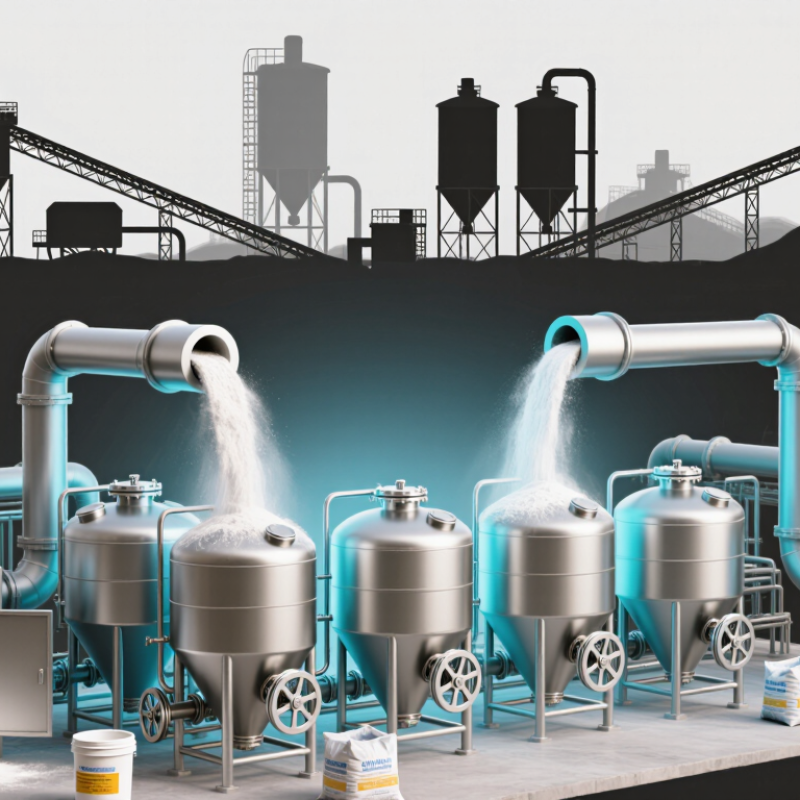
A hydrated lime mixer is equipment that blends dry hydrated lime with water to create a consistent slurry. The process sounds simple. In practice, uneven feeding or poor circulation can leave dry pockets and lumps. A typical setup may include a mixing tank, agitator, water inlet, lime feeder, and discharge connection. Designs vary with batch size and the required slurry concentration.
Inside the tank, rotating blades draw powder into the water and keep solids moving. Mixing speed, blade shape, and tank geometry affect how evenly the lime disperses. A well-matched mixer can reduce settling during transfer, but it cannot correct every problem caused by damp or poorly stored powder. Small details matter. Operators should monitor the mixture’s appearance and follow equipment guidance for startup, cleaning, and dust control.
For buyers, the useful question is not simply how powerful the motor is. Consider daily output, batch or continuous operation, cleaning access, wear-resistant contact parts, and how the mixer connects to feeding and pumping equipment. Ask for operating data under conditions similar to your process. A specification sheet may look reassuring, yet real materials can behave differently. That gap deserves attention. Hydrated lime is caustic, so suitable protective measures and local workplace procedures are essential during handling and maintenance.
Hydrated lime, or calcium hydroxide, is a fine powder that readily forms airborne dust. In slurry preparation, a mixer draws water into a tank and creates steady circulation. Powder is fed gradually into the moving water, helping wet particles before they form stubborn lumps. Hydrated lime does not fully dissolve; it remains suspended, so continuous agitation helps keep the mixture uniform. Small process details matter.
Mixer choice depends on the job. A tank agitator is commonly used for slurry, while a paddle or ribbon mixer may suit dry blending. Operators should check the required output, batch size, powder feed rate, and cleaning access. Too much powder added at once can create floating rafts or dense deposits near the tank bottom. Water temperature and lime quality can also affect handling. Real systems vary, and trial batches may reveal issues that calculations miss.
Tips: Start with clean water and add powder slowly. Use suitable dust extraction and protective equipment, and follow the equipment supplier’s operating instructions. Check for settled solids before transfer; a sample from the tank surface alone may not show uneven mixing.
Hydrated lime mixers generally fall into batch and continuous designs. Batch ribbon or paddle mixers suit operations that need controlled recipes and clear changeovers. Their rotating elements move powder through the vessel, helping distribute additives evenly. A batch may take several minutes, depending on capacity and material behavior. Ploughshare mixers create more intensive movement and can handle difficult blends, though they may use more energy. Continuous screw or paddle mixers feed and discharge material steadily. They suit consistent, high-volume production, but require a stable feed rate. No single design fits every plant.
When comparing equipment, consider throughput, particle size, moisture, and cleaning needs. Hydrated lime can absorb moisture and form lumps, so sealed conveying and effective dust extraction matter. Check the mixer’s contact materials and access points, too. Abrasive powder can wear moving parts over time. Ask suppliers for trials using your actual lime and additives. Published capacity alone can be misleading.
Tips: Keep feed dry. Inspect seals and mixing elements regularly. If batches still show pale streaks or dense pockets, review loading order and mixing time before increasing mixer speed. A small trial can reveal problems that a specification sheet misses.
Choosing a hydrated lime mixer in 2026 starts with the material, not the catalogue. USGS Mineral Commodity Summaries 2025 estimated global lime production at about 430 million metric tons in 2024. That figure covers lime broadly, not hydrated lime alone, but it signals the scale of handling involved. A mixer should suit the actual feed rate, moisture range, and batch size. Check whether it can disperse fine powder without creating persistent lumps. Small details matter.
For continuous production, compare ribbon, paddle, and ploughshare designs against the required residence time and discharge pattern. Ask for torque data under realistic loading, not only an empty-machine rating. Review seals, liners, inspection access, and cleanout time; deposits around a shaft can disrupt an otherwise sound process. Dust containment and guarded access also deserve attention when specifying equipment for fine, alkaline powder. ASTM C110 provides standardized methods for testing physical properties of lime products, useful when defining incoming-material checks and trial criteria.
Request a material trial using your own hydrated lime. Measure blend uniformity, throughput, and residue after discharge. Then inspect the mixer after a full run. I would not choose on mixing speed alone. It is tempting, but incomplete. Supplier test conditions may not match a humid plant or variable feed. Record those gaps before purchase; the comparison will be less tidy, yet more useful.
2026 Top Hydrated Lime Mixer for Global Buyers
How Global Buyers Evaluate Leading Mixer Options
Choosing a hydrated lime mixer starts with the material, not the sales brochure. USGS Mineral Commodity Summaries 2025 estimates U.S. lime production at about 17 million metric tons in 2024. That scale makes dependable throughput and dust control practical buying priorities. Yet national production figures do not tell you which mixer fits your plant. Compare rated capacity with your actual batch size, feeding method, and operating hours.
Inspect how the mixer handles dry powder and water together. Ask for test results using material with similar fineness and moisture, then check whether the discharge leaves visible clumps in a sample tray. ASTM C110 provides standard methods for testing physical properties of quicklime and hydrated lime; it can help buyers define consistent material checks. Review mixing time, motor load, seal design, access for cleaning, and spare-part availability. A polished demonstration may not reflect a dusty, continuous shift. I would ask for a trial.
Tips: Request a witnessed test with your own material, and record batch time, power use, and residue. Keep the results. Small differences in feed moisture can change performance, so document the conditions before comparing suppliers.
| Mixer Type | Mixing Method | Typical Hydrated Lime Application | Key Evaluation Factors | Potential Advantages | Limitations to Check | Buyer Questions |
|---|---|---|---|---|---|---|
| Ribbon Blender | Horizontal ribbons move dry material in opposing directions within a trough. | Batch blending of dry hydrated lime with other dry ingredients. | Batch size, fill level, blend uniformity, discharge design, sealing, and dust extraction. | Established design for dry-powder blending; can handle a range of batch sizes and formulations. | Not designed to prepare a liquid slurry. Fine lime powder can become airborne during charging or discharge if containment is inadequate. | How is uniformity verified? Can the mixer and discharge system be cleaned and inspected easily? |
| Paddle Mixer | Paddles lift, fold, and redistribute material in a horizontal chamber. | Dry hydrated lime blending, including formulations requiring controlled ingredient distribution. | Residence time, paddle arrangement, fill level, ingredient sequence, and sampling method. | Provides active movement of the powder bed and can be configured for batch or continuous processes. | Performance depends on the material recipe and operating conditions; verify the result using the intended ingredients and production rate. | Can the supplier conduct a trial with the actual powder blend and define an agreed uniformity test? |
| Twin-Shaft Paddle Mixer | Two intermeshing paddle shafts move material through a mixing chamber. | Continuous or batch blending of dry lime-based mixtures. | Throughput, residence-time control, shaft sealing, wear protection, and feed-rate stability. | Suitable for processes where continuous feeding and mixing are required; accessible construction can aid maintenance. | Continuous output depends on stable feeding and process control. Confirm that the design suits the abrasiveness and flow characteristics of the full formulation. | What throughput is guaranteed for the specified recipe, and how are feed fluctuations managed? |
| High-Shear Rotor-Stator Mixer | A fast rotor works with a stationary stator to create intense local shear in a liquid. | Wet dispersion of hydrated lime when preparing a slurry or incorporating powder into liquid. | Powder induction, circulation, slurry concentration, temperature rise, seal design, and cleanability. | Can promote rapid wetting and dispersion when correctly selected and operated for the slurry. | High shear does not replace suitable powder feeding or dust control. Confirm motor load, wear components, and suitability for the target slurry and solids content. | How will powder be fed without excessive dust or floating agglomerates, and what dispersion test will be used? |
| Agitated Slurry Tank | An impeller circulates liquid and suspended solids within a tank. | Preparing or holding hydrated lime slurry for dosing and process use. | Impeller type, tank geometry, suspension performance, settling behavior, solids concentration, and outlet arrangement. | Provides a practical vessel for slurry preparation, suspension, and process storage when designed for the required duty. | Hydrated lime is only sparingly soluble in water, so slurry behavior and settling need to be considered. A tank agitator may not provide the same local shear as a rotor-stator mixer. | Does the proposed design keep the intended slurry sufficiently uniform during mixing, holding, and discharge? |
| Continuous Pugmill Mixer | Rotating shafts with paddles convey and mix material through a continuous trough. | Continuous mixing of dry or damp lime-containing materials, depending on the machine design. | Feed consistency, residence time, moisture addition, output rate, wear surfaces, and enclosure. | Can combine conveying and mixing in a continuous production line. | Not every pugmill configuration is suitable for fine, dry hydrated lime or for slurry preparation. Confirm the specified material state and process duty. | Is the equipment designed for dry powder, damp solids, or liquid addition, and what product-quality checks are included? |
| Common Selection Criteria | Compare equipment against the actual process rather than relying on mixer type alone. | Relevant to dry blending, wet dispersion, slurry preparation, and continuous processing. | Material state, required capacity, batch or continuous operation, uniformity target, dust containment, corrosion and abrasion exposure, cleaning, utilities, and local safety requirements. | A documented specification and material trial make options easier to compare across suppliers and regions. | Capacity, mixing time, power, and product quality vary with formulation, moisture, equipment geometry, and operating conditions; generic figures should not be treated as guarantees. | Request a process-specific proposal, defined acceptance tests, equipment materials, maintenance plan, and applicable compliance documentation. |
| Selection note: Hydrated lime (calcium hydroxide) is distinct from quicklime (calcium oxide). Adding water to quicklime is a hydration process; mixing hydrated lime with water is generally slurry preparation or dispersion. Confirm the material and intended process before selecting a mixer. | ||||||



For an immediate response, please call this
number08045801431

Price:
 Send Inquiry