2026 Top European Travel Adaptor Buying Guide Guide?
Traveling to Europe can be an exciting adventure. However, it also comes with its own set of challenges. One of the most common issues is related to power compatibility. Most European countries use different plug types and voltages. This is where a European Travel Adaptor becomes essential.
Choosing the right European Travel Adaptor is crucial for any traveler. A good adaptor ensures your devices charge seamlessly. But not all adaptors are created equal. Some can be bulky or lack essential safety features. It's vital to research and find a reliable brand. Many people buy the cheapest option, only to find it fails during their trip.
In this guide, we will explore various options for European Travel Adaptors. We will provide insights and tips based on expert reviews. Understanding the key features will help you make an informed decision. Your travel experience should not be hindered by something as simple as power supply issues. With the right information, you can choose wisely.
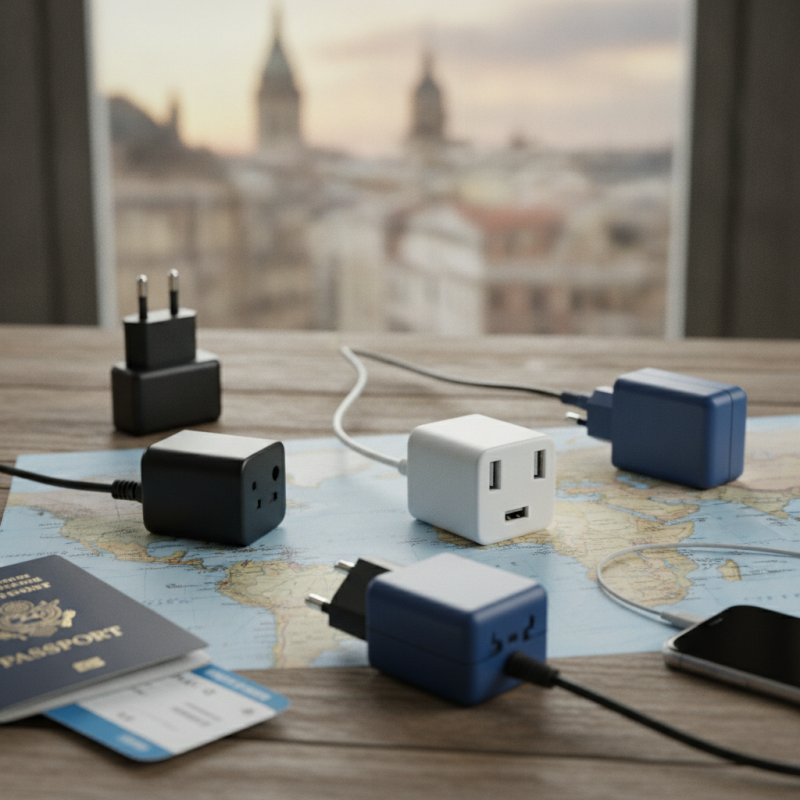
Understanding Different Plug Types Across Europe
Europe is known for its diverse culture and stunning landscapes, but travelers often overlook the importance of understanding plug types. Each country in Europe has unique plug shapes and voltage requirements. In fact, there are more than 15 different plug types across the continent. This diversity can create confusion when planning your trips.
For instance, Type C plugs are widely used in many European countries, featuring two round pins. However, countries like the UK use Type G plugs, which are rectangular with three pins. Voltage also varies; most European nations operate on 220-240 volts. This means that travelers must ensure their devices are compatible with this voltage to avoid damage.
A universal travel adaptor can be invaluable, but it's crucial to check compatibility before your trip.
It’s worth noting that some travelers have encountered issues with adaptors that didn’t fit properly or that couldn’t handle the current. Such problems are often avoidable with proper research. Often, travelers might buy a cheap travel adaptor at the airport, only to find it insufficient. Investing in a reliable, high-quality travel adaptor is essential to avoid these pitfalls. Always do a little homework on the specific plug types for your destination and read reviews on adaptors before you go.
Evaluating Voltage and Frequency Compatibility in European Countries
When traveling across Europe, understanding voltage and frequency compatibility is essential. Most European countries operate on a 230V supply voltage and a frequency of 50Hz. However, there are exceptions. Some areas may have different voltage levels. This makes it critical for travelers to verify their devices and equipment before plugging in.
Adapters vary significantly across countries. For instance, a travel adaptor effective in France may not work in the UK or Switzerland. This inconsistency can lead to device failure or even safety hazards. Traveling with a universal adaptor can offer some flexibility. However, ensure it supports the required voltage and frequency. Using it without understanding local requirements can be a costly mistake.
Evaluating your electronics beforehand helps avoid headaches. Many chargers indicate their voltage compatibility; they may handle a range like 100V to 240V. If you're unsure, research the specific country’s requirements. This precaution allows for a seamless travel experience. Testing your devices can also be wise, as adapters might not always perform as expected in different environments. A proactive approach to evaluating voltage and frequency compatibility can save hassle during your travels.
Key Features to Look for in a Travel Adaptor
When choosing a travel adaptor for Europe, several key features are essential. Understanding voltage compatibility is crucial. Many European countries operate on a 230V supply. A good adaptor should accommodate this voltage to prevent device damage. Additionally, check the wattage limit. Different devices require varying wattages; ensure your adaptor can handle your electronics.
USB ports have become an industry standard. A report by the International Energy Agency highlighted that 85% of travelers prefer adaptors with built-in USB charging. These adaptors save space and time by allowing the simultaneous charging of multiple devices. Furthermore, compact design is vital. Many travelers prioritize lightweight options that easily fit into luggage without adding unnecessary bulk.
Tip: Always carry a universal adaptor to cover various plug types.
Keep in mind that not all travel adaptors are created equal. Some may not provide proper grounding, which can pose safety risks. Reading reviews and checking certifications can help ensure reliability. Another important aspect is d durability. Opt for models made from quality materials to withstand travel wear and tear.
Tip: Test your adaptor at home before your trip. This helps avoid issues abroad.
Top Brands and Models for 2026: Market Analysis and Reviews
When planning 2026 travel, choosing a reliable adapter is essential. Many travelers underestimate the importance of having a good travel adaptor. A poor-quality adapter can lead to device damage. Always opt for a model that fits your specific needs. The European market offers a variety of options, but not all are created equal.
Some top-rated models have numerous features. For instance, multiple USB ports can charge several devices at once. A compact design can save space in your luggage. Reviews indicate that durability is a vital factor. However, some users reported issues with adapters breaking too easily. This highlights the need for careful consideration before purchasing.
Market analysis shows diverse brands leading the competition in 2026. Each offers unique advantages, such as fast charging times and built-in surge protection. Most brands provide comprehensive user reviews on their websites. Yet, this information can sometimes be biased. Therefore, independent reviews from travel forums add valuable insights. Travelers often share personal experiences, which can be enlightening.
2026 Top European Travel Adaptor Market Analysis
Safety Standards and Certifications for Travel Adaptors in Europe
When traveling in Europe, using the right travel adaptor is crucial. Safety standards play a vital role in ensuring your devices charge without risk. Not all adaptors are created equal; some may lack proper certifications. Look for adaptors that comply with European safety regulations.
Certifications such as CE marking indicate that the product meets safety requirements. This ensures that adaptors have been tested for reliability. However, not every product carries this mark. Be cautious when buying from lesser-known brands. Researching the manufacturer can provide insight into their quality standards.
In Europe, the voltage is typically higher than in other regions. Adapters designed for lower voltages may cause overheating or damage. It’s important to choose adaptors rated for 220V to 240V. Avoid inexpensive options that may look appealing but could jeopardize your devices. Always check for user reviews to gather different experiences.
2026 Top European Travel Adaptor Buying Guide - Safety Standards and Certifications for Travel Adaptors in Europe
| Adaptor Type | Input Voltage | Max Load | Safety Certification | Price (USD) |
| Type C | 220-240V | 2.5A | CE, RoHS | 10.99 |
| Type G | 220-240V | 13A | BS, CE | 12.49 |
| Type F | 220-240V | 16A | TÜV, CE | 15.00 |
| Type E | 220-240V | 16A | NF, CE | 14.75 |
| Universal Adaptor | 100-240V | 2.4A | CE, FCC | 19.99 |




 Send Inquiry

