Top 5 Benefits of Using Fiber-optic Cable for Businesses?
In today’s fast-paced digital era, businesses are increasingly turning to Fiber-optic Cable to meet their connectivity needs. This technology offers remarkable advantages over traditional copper cables. Speed and bandwidth are prominent benefits that cannot be overlooked. Fiber-optic Cable transmits data at incredible speeds, enabling seamless communication and efficient operations.
Moreover, the reliability of Fiber-optic Cable is crucial for business success. It is less susceptible to electromagnetic interference, ensuring consistent performance. Many organizations find that downtime is drastically reduced with this technology. However, it's important to acknowledge that the initial installation cost may be a barrier for some. A well-planned investment can lead to significant returns.
Adopting Fiber-optic Cable can greatly enhance a company’s competitiveness. Enhanced security is another vital aspect; data breaches are a growing concern. Businesses need to evaluate the potential of Fiber-optic solutions seriously. Though these cables offer extensive benefits, careful consideration of deployment strategies is essential for maximizing their impact.
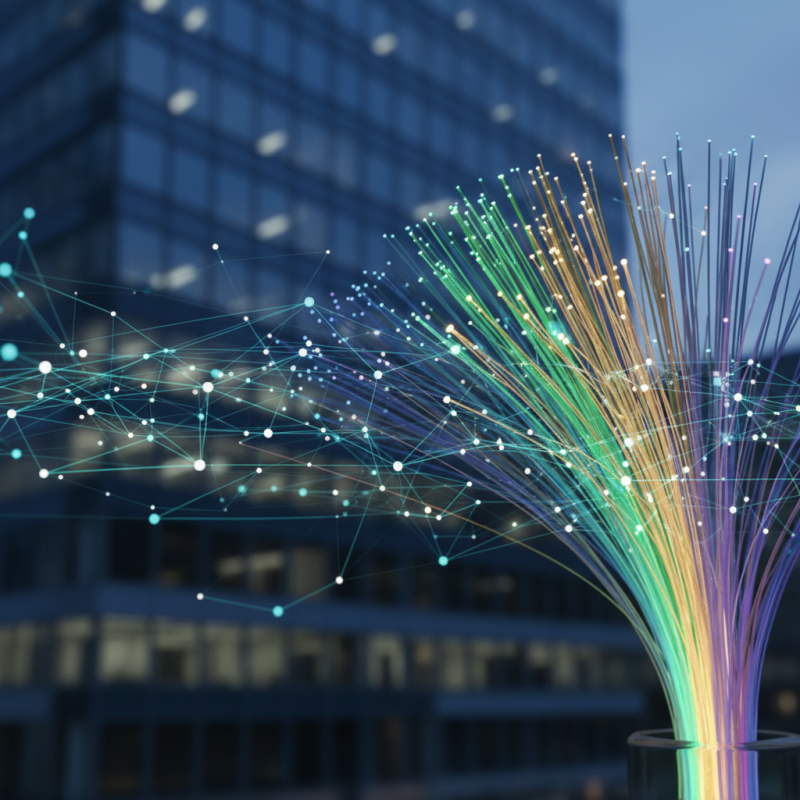
Understanding Fiber-optic Technology and Its Application in Business
Fiber-optic technology has transformed communication in the business world. Unlike traditional copper wiring, fiber-optic cables use light signals to transmit data. This allows for faster and more reliable connections. According to a report by the Fiber Broadband Association, businesses using fiber-optic connections can experience speeds up to 1 Gbps or higher. This is crucial for companies that rely on large data transfers.
Networking issues can hinder productivity. Fiber-optic cables are less susceptible to electromagnetic interference. This means fewer interruptions during peak hours. A study from the International Telecommunications Union showed that businesses could reduce operational costs by approximately 20% by switching to fiber-optic technology. The lower maintenance and increased uptime are significant advantages.
However, implementation can be challenging. Initial installation costs can be high, and not every location has access to fiber infrastructure. This might limit options for some businesses. It is essential to weigh the benefits against the logistical hurdles. Each company should assess its needs and future growth when considering the switch to fiber-optic technology.
High-Speed Data Transfer: Enhancing Communication and Efficiency
Fiber-optic cables are increasingly becoming the backbone of modern business communication. The demand for high-speed data transfer is at an all-time high. Companies today require fast, reliable connections to maintain a competitive edge. According to a report by the International Telecommunication Union, fiber-optic technology can deliver data at speeds up to 100 Gbps, significantly outpacing traditional copper cables.
Imagine the advantages for businesses that can upload and download large files in a matter of seconds. This speed improves collaboration, allowing teams to share and access vital information seamlessly. Studies indicate that organizations using fiber-optic networks experience up to 25% less latency, which translates into streamlined operations and enhanced productivity. However, challenges such as installation costs and infrastructure adaptation must be considered.
Businesses need to balance the immediate benefits of speed with long-term investments. While fiber offers superior performance, initial setup can strain budgets. Some may question the necessity of these upgrades. Yet, as remote work becomes commonplace, the demand for fast internet access can’t be ignored. Companies must evaluate their unique needs against their growth projections to make informed decisions about adopting fiber-optic technology.
Increased Bandwidth: Meeting Growing Business Demands
With businesses continuously expanding their digital capabilities, increased bandwidth becomes crucial. Fiber-optic cables provide superior data transmission speeds, a vital aspect for modern enterprises. According to a report by the Fiber Broadband Association, fiber-optic technology can deliver speeds exceeding 1 Gbps, far surpassing traditional copper cables. This capability allows businesses to handle large data transfers seamlessly, essential for operations like cloud computing and video conferencing.
Not only does fiber-optic technology enhance speed, but it also supports more users without degrading performance. A recent study from the International Telecommunication Union indicated that fiber networks can handle up to 10 times more simultaneous users than copper systems. This results in a more reliable and consistent experience, especially during peak hours. However, as demands increase, it remains important to evaluate the network infrastructure regularly. Businesses may sometimes overlook this aspect, assuming that they’ve reached their bandwidth limits.
Challenges arise when businesses underestimate their data needs or fail to upgrade their systems. It is critical to continuously monitor network performance. Ignoring potential congestion risks can lead to lost productivity and customer satisfaction. By investing in fiber-optic solutions, companies can stay ahead of the competition. The shift to fiber is not only a trend but a necessary evolution tailored to meet growing business demands.
Top 5 Benefits of Using Fiber-optic Cable for Businesses
| Benefit | Description | Impact on Business |
| Increased Bandwidth | Fiber-optic cables provide significantly higher bandwidth compared to copper cables, allowing for more data to be transmitted at once. | Enables businesses to handle increased data traffic without compromising performance. |
| Higher Speed | Fiber-optic cables can transmit data at speeds of up to 1 Gbps and beyond, vastly improving web performance. | Facilitates quicker downloads and uploads, enhancing productivity. |
| Improved Reliability | Fiber-optic cables are less susceptible to interference from electromagnetic signals. | Reduces downtime and ensures stable internet connection for business operations. |
| Increased Security | Fiber-optic technology is more secure as it is difficult to tap into without detection. | Protects sensitive business data from cyber threats and data breaches. |
| Future-Proof Technology | Fiber networks can be upgraded with new technology without replacing the entire system. | Ensures longevity and reduces the need for frequent investments in infrastructure. |
Improved Security Features: Protecting Sensitive Information
In today’s digital landscape, protecting sensitive information is crucial for businesses. Fiber-optic cables offer enhanced security features that traditional copper cables cannot match. One significant advantage is the difficulty of tapping into fiber-optic lines. This makes unauthorized access nearly impossible without detection. Unlike electromagnetic signals in copper wires, light signals in fiber-optics do not leak outside their cables. This intrinsic property ensures that data remains secure and protected from potential threats.
One tip for businesses is to conduct regular audits of their network security. This practice helps in identifying vulnerabilities. It’s also wise to invest in high-quality fiber-optic installations. Poorly installed cables may create loopholes. Regularly updating security protocols, even with fiber systems, is essential. This way, you can be responsive to the evolving landscape of cyber threats.
Another aspect to consider is employee training on data security measures. Staff should understand the importance of protecting sensitive data. Simple actions, like identifying phishing attempts, can significantly enhance security. Encourage a culture of awareness and vigilance in the workplace. While fiber-optic technology offers robust protection, human error remains a vulnerability. A comprehensive approach ensures that your business minimizes risks effectively.
Cost-Effectiveness of Fiber-optic Installation and Maintenance
Fiber-optic cables offer significant cost benefits for businesses. The installation may require an upfront investment, but the long-term savings are substantial. Fiber-optic provides faster internet speeds and reduced downtime. This translates to lower operational costs. Companies can save on maintenance as fiber-optic is more durable than traditional copper cables.
Tips: When considering installation, assess the specific needs of your business. Understand the bandwidth requirements to avoid overspending. Consult professionals for accurate assessments.
Regular maintenance of fiber-optic systems is straightforward. Unlike older technologies, fiber does not degrade as quickly. However, periodic checks are essential. This practice minimizes unexpected repairs that can incur extra costs, keeping operations smooth.
Tips: Keep an eye on the connections and joints. Small problems can escalate if not addressed promptly. Implementing a maintenance schedule can help prevent significant issues down the line.
Top 5 Benefits of Using Fiber-optic Cable for Businesses
This chart illustrates the top five benefits of using fiber-optic cable for businesses, rated on a scale of 1 to 10. The attributes highlighted include Speed, Bandwidth, Reliability, Cost Efficiency, and Security, showcasing how fiber-optic technology stands out in modern networking solutions.



 Send Inquiry

