
GST : 27AAFFV7667M1ZA

call images

Call us

08045801431

China Best Aesthetic Washi Tape Suppliers for Bulk Buyers?

Aesthetic Washi Tape has moved beyond craft drawers into branded packaging, journaling, event stationery, and retail gifting. For bulk buyers, choosing a supplier is not just a matter of finding attractive patterns. Paper feel, adhesive consistency, print registration, roll length, and dependable replenishment all affect the finished product. Small defects show quickly: a lifted corner on a gift box, blurred lettering, or a color that shifts between batches. Details matter.

The wider packaging market offers useful context, though it does not measure washi tape alone. Grand View Research estimated the global paper packaging market at about US$372.6 billion in 2023 and projected continued growth through 2030. This figure is not a washi-tape sales estimate; it simply reflects broader demand for paper-based packaging. Buyers should treat it as context, not proof of a specific tape trend. When comparing China-based suppliers, request physical samples, written specifications, and batch-level quality checks. Ask about paper weight, adhesive type, print methods, minimum order quantities, and lead times. A supplier’s catalogue may look polished. The sample roll tells more. Even careful buyers can miss things, and I would not treat one successful order as a guarantee of consistent quality. This guide examines supplier selection, customization, and bulk-order checks, helping buyers make a more informed shortlist without relying on vague claims.
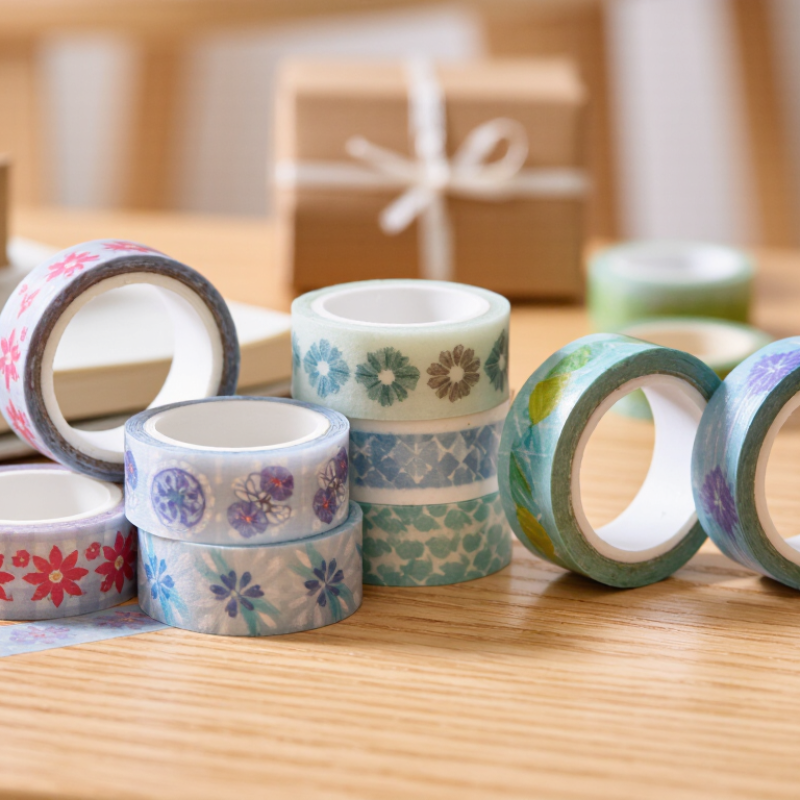
China Best Aesthetic Washi Tape Suppliers for Bulk Buyers?

What Makes a Top Chinese Aesthetic Washi Tape Supplier?

A top Chinese aesthetic washi tape supplier should prove consistency, not just show attractive designs. Ask for repeat-run samples and compare color, edge cutting, paper opacity, and unwind feel. Small details matter. A muted sage print should stay muted across rolls, while the tape should tear cleanly without leaving heavy adhesive residue. Request specifications for paper weight, roll length, core size, and adhesive type before discussing bulk pricing.

Traceable materials also matter. The Forest Stewardship Council’s 2023 Facts & Figures reported about 160 million hectares of FSC-certified forest worldwide. That figure is a sourcing benchmark, not proof that a particular tape uses certified paper. Ask suppliers for current chain-of-custody documentation when responsible sourcing is part of your brief. Check that documents match the producing facility and material scope.

Production controls separate dependable partners from attractive catalogs. Ask how they inspect print registration, color variation, and roll-to-roll defects, and whether they retain batch records. Request a pilot order before committing to a large run. Even a perfect sample can hide uneven coating or weak adhesion in mass production. That is easy to overlook. Compare samples after storage, too; heat and humidity may change how the tape unwinds. A supplier’s answers should be specific, documented, and consistent—not merely reassuring.

What Makes a Top Chinese Aesthetic Washi Tape Supplier?

A practical bulk-buyer scorecard for comparing suppliers

The scores are suggested evaluation weights on a 0–100 scale, not survey results or measured market data. Adjust them to reflect your order size, quality requirements, and delivery needs. Verify each supplier’s specifications, samples, and production terms before purchasing.

Key Product Types and Design Features for Bulk Buyers

China’s aesthetic washi tape suppliers serve bulk buyers with several practical product types. Common options include solid-color rolls, translucent tape, metallic foil tape, seasonal prints, and die-cut decorative strips. Custom printing is also available for logos, patterns, and coordinated packaging themes. Buyers should check roll length, width tolerance, core diameter, and adhesive strength before ordering.

Grand View Research estimates the global pressure-sensitive tapes market will grow at about 6% annually through 2030. This growth supports demand for decorative paper tapes in stationery, gift packaging, journaling, and craft retail. Smithers’ pressure-sensitive tape research also highlights sustainable materials and specialty finishes as important development areas. For bulk orders, buyers should request recycled-paper content, water-based ink details, and solvent-free adhesive specifications. These details matter.

Design quality is visible in small places. Foil should align with printed lines, while transparent tape should not show cloudy adhesive patches. A reliable supplier can provide pre-production samples, color references, and batch inspection records. Ask for peel testing and aging data, not only attractive photographs. Some buyers focus too heavily on artwork. I would not. Weak adhesion, uneven edges, or inconsistent color can create expensive returns. Even premium-looking tape may perform poorly on textured paper. Sample testing remains the safest purchasing step.

How to Evaluate Quality, Materials, and Customization Options

Bulk buyers should evaluate washi tape as a paper-and-adhesive product, not only as decoration. The paper should feel even, flexible, and free from pinholes. Ask for basis weight, thickness, opacity, and fiber source. Traditional washi uses plant fibers, but commercial rolls often use wood-pulp paper. The distinction matters. Smithers’ 2023 sustainable packaging research identifies fiber sourcing and recyclability as major purchasing factors. However, paper content alone does not guarantee easy recycling. Adhesive chemistry and mixed inks also deserve attention.

Request test data before approving a large order. ASTM D3330 can measure peel adhesion, while ASTM D3654 evaluates holding power. Check these results on glass, cardboard, and painted surfaces. A tape that performs well on glass may lift from kraft cartons. I would also inspect edge cutting, roll tension, print registration, and residue after removal. According to Grand View Research, the global pressure-sensitive tapes market is expanding steadily, with packaging among its important applications. That growth does not remove quality risks. A beautiful sample can still hide inconsistent adhesive coating.

Tips: Require three production samples, not one. Compare color under daylight. Ask for a retained sample and written tolerances. For customization, confirm artwork limits, Pantone matching, minimum order quantity, core size, roll length, and proof approval. A vendor promising every finish immediately may need closer questioning. My own caution is simple: low pricing often reflects thinner paper, shorter rolls, or weaker inspection. Those savings can disappear when thousands of rolls arrive with uneven edges.

China Best Aesthetic Washi Tape Suppliers for Bulk Buyers? - How to Evaluate Quality, Materials, and Customization Options

Supplier evaluation matrix for bulk buyers. Specifications vary by product and supplier; confirm all requirements with samples and written documentation before placing an order.

Evaluation Dimension What to Check Useful Evidence or Test Customization to Discuss
Paper backing Ask whether the backing is washi-style paper, another paper grade, or a film-based material. “Washi tape” is a product description and does not by itself establish the paper’s origin or composition. Request a material specification and physical samples. Compare opacity, surface feel, print appearance, and how cleanly the tape tears by hand. Paper appearance, color, width, roll length, and printed artwork, subject to the supplier’s available materials.
Adhesive performance Confirm adhesive type and intended use. Tack, holding power, removability, and residue can vary with the adhesive, surface, application pressure, and time. Test samples on the actual target surfaces. Record application conditions and check adhesion, repositioning, removal, and residue after the intended dwell time. Adhesive strength or removability options, if offered; request written confirmation rather than relying on a general “removable” claim.
Print and color Check line sharpness, small-text legibility, color consistency, registration, and whether the finish is matte, glossy, or otherwise specified. Approve a production-representative proof or sample. Compare printed colors under consistent lighting and confirm the agreed artwork file and color reference. Full-color or repeat-pattern artwork, spot details where available, and finish. Confirm printable area and file requirements with the supplier.
Dimensions and winding Specify tape width, roll length, core dimensions, roll direction, and dimensional tolerances. These details affect packaging and dispenser compatibility. Measure sample rolls and confirm the final specification in the purchase order. Check for consistent winding and undamaged edges. Width, length, core size, and winding direction, subject to production capability and order requirements.
Artwork and repeat design Check repeat length, pattern alignment at the seam, bleed, and whether the printed design matches the approved proof. Request a repeat-layout proof and inspect a sample roll through several full pattern repeats. Custom repeat length, colorways, artwork, and coordinated designs across a product set.
Packaging and labeling Confirm individual roll packaging, set packaging, carton quantity, barcode placement, and any destination-market labeling requirements. Approve a packaging sample or digital dieline. Check that carton labels and packing lists match the order specifications. Sleeves, cards, labels, retail sets, and custom cartons where available. Confirm setup costs and packaging materials separately.
Quality control Ask how incoming materials, print consistency, roll dimensions, and finished goods are checked, and how defects are handled. Request the inspection checklist, sample approval process, defect definitions, and a pre-shipment inspection arrangement if needed. Reference samples, inspection criteria, and agreed tolerances documented before production.
Material and compliance documentation Identify the sales destination and the applicable product and packaging rules. Do not assume that a certificate for one material or product applies to every item. Request current, product-relevant test reports or declarations and verify their scope, issuer, date, and covered materials. Paper or packaging documentation where available; specify the destination market and required evidence before ordering.
Bulk order terms Compare quoted unit price, minimum order quantity, sampling charges, tooling or setup fees, lead time, payment terms, and shipping basis. Obtain a written quotation with quantities, specifications, inclusions, production schedule, and delivery terms clearly stated. Ask how design variations, mixed designs, and packaging choices affect minimum quantities, pricing, and lead time.

Buyer tip: Compare suppliers using the same specification, sample test, and quotation format. Approve a production sample and record acceptable tolerances before authorizing a bulk run.

Minimum Orders, Pricing, Lead Times, and Export Services

China Best Aesthetic Washi Tape Suppliers for Bulk Buyers?

Minimum orders often determine whether a supplier suits your purchasing plan. For standard washi tape, practical MOQs usually start near 500–1,000 rolls per design. Custom printing may require 3,000–5,000 rolls. Small trial orders can cost more per roll. Typical factory pricing ranges from $0.18 to $0.60 per roll, depending on paper weight, width, finish, and packaging. A 2024 decorative tape market analysis by Grand View Research indicates annual market growth near 5%, supporting continued demand for customized stationery products.

Lead times need written confirmation. Stock designs may ship within 7–15 working days. Custom artwork commonly needs 20–35 days after deposit and proof approval. Ask for a physical sample, not only a digital mockup. Colors can shift noticeably under warm warehouse lighting. That detail is easy to miss.

Export capability matters as much as production cost. Experienced suppliers should provide commercial invoices, packing lists, carton dimensions, product specifications, and clear shipping terms. Many buyers also request barcode placement and moisture-resistant outer cartons. International trade data from UN Comtrade shows China remains a major source of paper-based consumer goods, but export scale does not guarantee quality. I have seen attractive quotations fail because carton counts were wrong. A simple pre-shipment checklist helps, although it is not perfect. Supplier audits, batch photos, and random roll measurements create stronger evidence than promises.

How to Select the Right Supplier for Your Wholesale Needs

Choosing a reliable China supplier for aesthetic washi tape requires more than comparing catalog photos. I have learned that paper texture, adhesive strength, and color consistency often decide repeat sales. Ask for physical samples, not only digital images. Check whether the tape unwinds smoothly and leaves no sticky residue on clean paper.

Request clear specifications for width, length, core size, backing paper, and print method. A professional supplier should explain minimum order quantities, sampling charges, production time, and packaging options. Ask for recent quality records and carton photos. These details reveal how carefully the factory manages bulk orders. Also confirm material declarations and packaging compliance for your target market.

Communication deserves close attention. Send a small test order before committing to thousands of rolls. Measure the delivered quantity, inspect edge cutting, and compare printed colors under daylight. I once focused too heavily on low pricing and overlooked weak outer packaging. Several rolls arrived with crushed edges. That mistake changed my checklist. Reliable suppliers accept reasonable inspections, document corrections, and provide practical production updates. Fast replies help, but accurate replies matter more. Expect some imperfections. The best supplier is not always the cheapest, but the one whose process remains predictable.

Back to top
