
GST : 27AAFFV7667M1ZA

call images

Call us

08045801431

What Are the Best Types of Exterior Cladding in 2026?

Choosing Exterior Cladding in 2026 means balancing appearance with performance, cost, and long-term upkeep. The best option is not simply the one that looks striking in a sample photo. It must suit the building, local climate, and the people responsible for maintaining it.

Fiber cement, wood, brick, metal, stone, and engineered panels each bring different strengths. A shaded coastal home may face moisture and salt, while a sun-exposed wall can experience heat and fading. Compare more than the material itself: ask about installation details, drainage, insulation compatibility, fire performance, repair options, and warranty limits. A beautiful finish can disappoint if water collects behind it. Details matter.

This guide examines common cladding types through practical questions homeowners and project teams can verify with manufacturers and qualified installers. It considers upfront price alongside cleaning, repainting, replacement, and expected service life. Product performance varies by specification and installation, so broad claims deserve a second look. Local building requirements also differ; confirm applicable rules before selecting a system. No material wins everywhere. Even an option with a strong environmental profile may involve trade-offs in transport, maintenance, or manufacturing. The aim is not to name one universal winner, but to help readers compare credible choices and identify what matters most for their project.
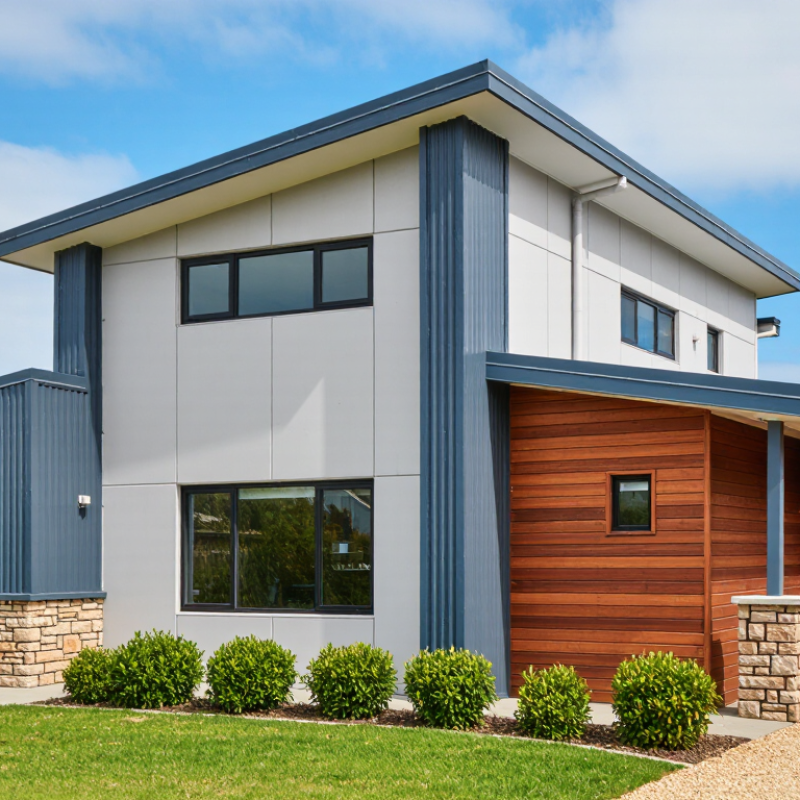
What Are the Best Types of Exterior Cladding in 2026?

How Exterior Cladding Works and What It Needs to Do

Exterior cladding is the outer layer of a wall, but it is not usually the wall’s only defense against rain. It sheds most water and shields the structure from sun, wind, and physical wear. Behind it, a weather-resistant barrier helps manage moisture that gets through joints. In many assemblies, a small drainage gap lets water run down and escape. Air can move through that space, too. Details matter.

Cladding also affects heat flow, noise, and fire performance, though these depend on the whole wall assembly. Insulation, membranes, fasteners, and careful installation all play a part. A beautiful panel cannot compensate for a poorly sealed window or blocked drainage path. Check the base of the wall after heavy rain: water should have a clear route out, not a place to pool.

Material choice should fit the building’s exposure and maintenance needs. Coastal air, freeze-thaw cycles, strong sun, and nearby trees can each change how a surface ages. Look for loose fixings, cracked sealant, staining, and damaged edges during routine inspections. Some systems need little attention, but none are truly maintenance-free. I would not judge performance by appearance alone; hidden layers are harder to inspect, and that uncertainty deserves honest attention.

Key Factors for Comparing Cladding Materials in 2026

What Are the Best Types of Exterior Cladding in 2026?

Key Factors for Comparing Cladding Materials in 2026

The best cladding depends on the building, not just the material. Start with local weather: wind-driven rain, freeze-thaw cycles, strong sun, and salty air can change how a façade performs. A shaded wall that stays damp may need different detailing from a sunlit, sheltered elevation. Check the full wall assembly, including drainage gaps, flashing, insulation, and ventilation. Cladding alone cannot fix poor moisture management.

Look beyond the purchase price. Compare expected maintenance, repair access, service life, and installation requirements. A low-cost panel may need frequent repainting; a heavier system may require added structural support. Ask for test data on fire performance, water resistance, and impact strength, then confirm that the proposed assembly—not merely one component—meets local requirements. Details matter.

Sustainability claims also need context. Consider material sourcing, transport, durability, and whether damaged sections can be repaired or recycled. Request evidence rather than relying on broad labels. A sample board can look convincing, but it cannot show how joints weather after years of rain. Review project references and have a qualified professional assess site conditions. Even careful comparisons leave uncertainty; real exposure varies from wall to wall.

What Are the Best Types of Exterior Cladding in 2026?

Representative thermal conductivity of common cladding materials

Lower thermal conductivity means less heat passes through the material itself. These approximate values are for the cladding materials, not complete wall assemblies; actual performance varies with product, thickness, moisture, and installation. Cladding alone does not replace continuous insulation.

Common Cladding Types: Wood, Vinyl, and Fiber Cement

Wood, vinyl, and fiber cement each give a home a different look and maintenance routine. Wood brings visible grain and can be painted, but exposed boards need regular checks for peeling paint, moisture, and insect damage. Vinyl siding needs less routine painting, though impact or strong temperature swings can crack or distort some products. Fiber cement offers a solid, painted-board appearance and resists rot and insects, but it is heavy and still needs paint maintenance.

Cost can help narrow the choice, but comparisons are imperfect. The 2024 Cost vs. Value Report from Journal of Light Construction estimated average U.S. replacement costs of $17,410 for vinyl siding and $20,619 for fiber-cement siding. It estimated resale values of $13,957 and $18,230, respectively. These are national project averages, not quotes; labor, home size, and local conditions change the result. Wood was not included in these siding comparisons.

Details matter. Before choosing, inspect the wall beneath the existing cladding, especially around windows and lower edges where water can collect. Good flashing and installation can matter as much as the material itself. A low-maintenance surface is not a moisture-management plan. I would also weigh repairability: matching older wood boards may be difficult, while replacing a small damaged section of vinyl can leave a visible color mismatch. Choose based on exposure, upkeep, budget, and the skills of the installer—not appearance alone.

Durable Alternatives: Metal, Brick, Stone, and Composite Cladding

What Are the Best Types of Exterior Cladding in 2026?

Durable choices depend on climate, building design, and installation quality. Metal cladding is lightweight and sheds rain well when panels and joints are detailed correctly. It can dent, though, and dark finishes may heat up in strong sun. Check fasteners and coatings periodically, especially near the coast.

Brick offers strong fire resistance and can last for decades. It needs a sound drainage cavity and careful flashing; trapped moisture can damage walls. Natural stone is highly durable, but its weight may require structural support. Costs and quarrying impacts also deserve attention. Beautiful, but not simple.

Composite cladding comes in varied colors and textures, often with less upkeep than painted timber. Its performance depends on the core, surface layer, and local weather exposure, so review independent test data rather than relying on appearance. No option is maintenance-free. I would inspect sample panels after a season of sun and rain before choosing. Small details matter. A modestly priced system installed well can outperform a premium material with poor joints.

What Are the Best Types of Exterior Cladding in 2026? — Durable Alternatives: Metal, Brick, Stone, and Composite Cladding
Cladding type Typical installed cost (US$ per sq. ft.) Typical service life Durability and weather performance Maintenance Key considerations Often a good fit for
Metal panels (steel or aluminum) $8–$20 40–70 years, depending on metal, finish, and exposure Resists rot and insects; performs well in rain and snow when correctly detailed. Coastal salt, scratches, and incompatible metals can accelerate corrosion. Periodic washing and inspection; repair damaged coatings and keep drainage paths clear. Lightweight and available in many profiles. Thermal movement, noise, denting, and corrosion protection should be considered during design. Contemporary homes, low-maintenance projects, and buildings where a lightweight rainscreen is desirable.
Brick veneer $10–$20 75–100+ years with sound construction and maintenance Noncombustible and highly resistant to impact and weather. The veneer is not usually the building’s structural wall and needs proper flashing and a drainage cavity. Inspect mortar joints and flashings; repoint deteriorated mortar as needed. Heavy and labor-intensive to install. A drained cavity and correctly placed weep openings help manage moisture. Traditional designs, long-service-life projects, and locations where masonry trades are readily available.
Natural stone veneer $15–$30+ 50–100+ years, depending on stone, detailing, and installation Very durable and resistant to fire, insects, and impact. Performance varies by stone type; freeze-thaw exposure and water management matter. Usually low; inspect joints, sealants, and drainage details periodically. High material and installation cost; substantial weight may require structural support. Veneer systems need appropriate anchoring and moisture management. Feature areas, premium projects, and designs seeking a natural, long-lasting appearance.
Composite cladding (wood-plastic or similar panels) $7–$15 20–40 years, depending on product and exposure Many products resist moisture, decay, and insects better than untreated wood. Heat, prolonged moisture, and UV exposure can affect some products over time. Wash periodically and inspect fixings, joints, and clearances; follow the product’s maintenance instructions. Products vary widely in composition and fire performance. Check local code requirements, expansion gaps, and installation specifications. Projects seeking a wood-like appearance with reduced routine upkeep and a moderate installed cost.
Cost and lifespan note: Figures are broad planning estimates for common US residential installations, not quotes. Actual costs and service life vary by region, product specification, wall preparation, labor, building height, exposure, and maintenance. Confirm local code requirements and the manufacturer’s installation details before selecting a system.

How to Choose Cladding for Climate, Budget, and Building Style

Choosing exterior cladding starts with the weather your walls actually face. In wet regions, look for systems that drain and dry well, with careful flashing around windows and doors. That detail matters. In freeze-thaw climates, ask how the material handles moisture and temperature changes. Strong sun can fade some finishes or make dark surfaces heat up. Near the coast, salt exposure deserves attention. A local builder or building professional can help assess these conditions and check requirements for your area.

Budget the whole service life, not just the purchase price. Include installation, repainting, cleaning, repairs, and any added wall preparation. A low-cost option may need more frequent upkeep; a higher upfront cost does not automatically mean better value. Ask for written maintenance guidance and compare realistic estimates. Leave room for repairs. They happen.

Style should suit the building, but performance comes first. Look at nearby homes for clues about scale, texture, and color, then test samples outdoors. A small swatch can look very different across a full, sunlit wall. Match trim and roof tones, and check how seams align around corners and openings. There is no perfect cladding choice. Sometimes a design preference has to give way to climate, budget, or the condition of the existing walls.

Back to top
