Which Type of Fuel Gas Caddy Is Best in 2026?
Choosing the best Fuel Gas Caddy in 2026 is less about picking the largest tank and more about matching equipment to the job. A compact model may suit a workshop, while a wider-wheel design can feel steadier across gravel or uneven ground. Hose reach, pump type, tank capacity, and storage needs all matter. Small details matter, too.
Fuel-equipment specialist Jordan Lee puts it simply: “The right caddy makes every transfer controlled, manageable, and suited to the place you work.” Use that as a practical guide, not a substitute for checking the manufacturer’s instructions. A full tank can be heavy; a stiff hose can tug against the nozzle; a narrow wheelbase may wobble on rough surfaces. These are easy points to overlook when comparing product photos.
This guide will compare manual and powered options, portable and higher-capacity designs, and features that affect everyday handling. It will also look at build quality, maintenance, and the conditions each style suits. There is no universal winner. Your best choice depends on how far you move fuel, how often you use the caddy, and where you store it. A modest model may be enough. Or not. Check specifications carefully, and consider the real route from storage to equipment—not just the tank size.
What Is a Fuel Gas Caddy and How Does It Work?
A fuel gas caddy is a portable tank with wheels, a hose, and a controlled dispensing system. Depending on its design, fuel moves by gravity or through a hand-cranked or powered pump. Opening the nozzle releases fuel; a vent lets air enter the tank so flow can continue. Close the nozzle and the flow stops. Simple in principle, but seals, hoses, and vents all matter.
NFPA’s 2021 Gasoline Fires report estimated about 4,150 U.S. home fires involving gasoline each year, using 2014–2018 data. The figure does not mean caddies caused those fires, but it shows why careful handling matters. Choose a caddy specifically rated for the fuel, check its capacity and condition, and follow its operating instructions. A kinked hose or worn seal can turn a tidy transfer into a spill. I find the vent easy to overlook; it deserves a deliberate check.
Tips: Use the caddy outdoors, on stable ground, and keep the nozzle under control while dispensing. Check for leaks before use, keep ignition sources away, and never leave filling unattended. Let the pump do the work. Don’t force it.
Which Types of Fuel Gas Caddies Are Available in 2026?
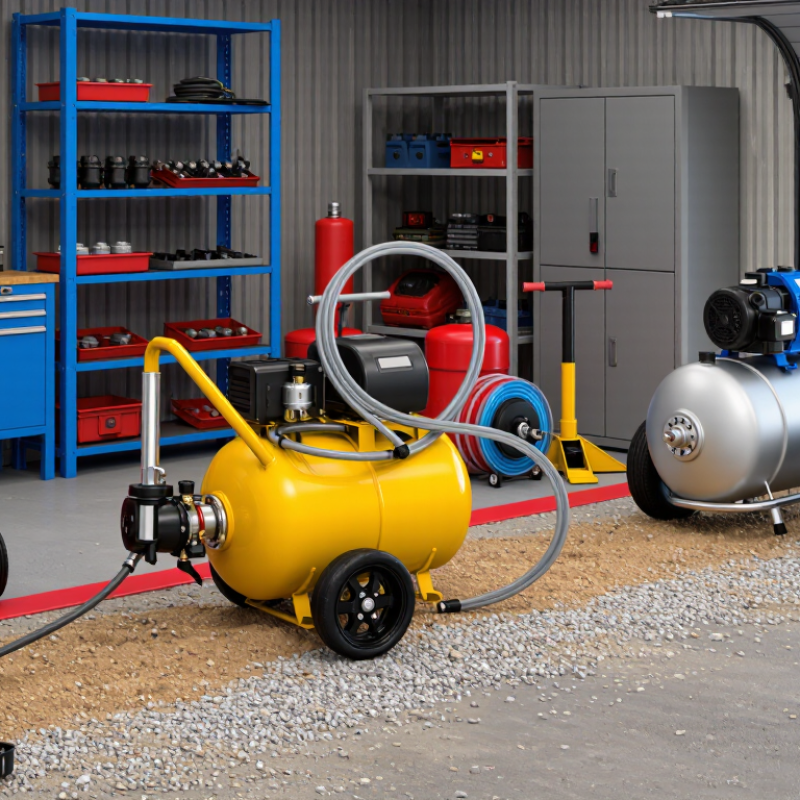
In 2026, fuel gas caddies generally fall into four practical types: compact manual-pump units, wheeled hand-pump caddies, electric-pump caddies, and larger stationary tanks with transfer pumps. Compact units suit small engines and occasional top-ups. Wheeled models have larger tanks and wide tires, useful on gravel or workshop floors. Electric pumps reduce hand effort, but need a compatible power source and careful hose storage. Small and light.
Capacity is only one measure. OSHA’s 29 CFR 1910.106 defines a safety can as an approved container holding no more than five gallons; that limit does not automatically apply to every fuel caddy. NFPA 30, the Flammable and Combustible Liquids Code, offers broader storage and handling guidance. Check the caddy’s listed capacity, approved fuel type, ventilation instructions, and pump compatibility before use.
For frequent refueling, a wheeled caddy with a controlled-flow pump can save repeated trips, though its weight may be awkward when full. A manual pump is simpler and avoids dependence on a battery, but transfers fuel more slowly. Electric models are convenient; their wiring and pump ratings deserve close inspection. Worth noting. The best type depends on where it will roll, how often it will be used, and whether the storage area can safely accommodate its filled weight.
How Do Capacity, Materials, and Pumps Affect Performance?
A fuel gas caddy works best when its capacity matches the job, not just the largest amount it can hold. For occasional equipment refills, a compact tank is easier to position and store. Busy maintenance areas may benefit from more capacity, especially when trips to a storage point are inconvenient. But a full, oversized caddy can be awkward to maneuver. Fit matters.
Materials affect durability and handling. A steel tank can withstand rough workshop use, though its weight may become noticeable when full. Suitable polyethylene models are often lighter and resist corrosion, but check that the material and seals are rated for the fuel being stored. Look closely at welds, caps, wheels, and hose connections. Small defects matter.
Pump choice changes the pace and effort of dispensing. A hand-operated pump needs no power and gives the user direct control, but repeated transfers can be tiring. An electric pump may save time during frequent use; confirm its fuel compatibility and follow the manufacturer’s operating instructions. Consider hose reach, flow control, and how easily the pump can be serviced. The trade-offs are not always obvious, so match the caddy to your actual routine and inspect it regularly.
What Safety Features and Fuel Compatibility Should You Check?
A fuel gas caddy should be rated for the exact fuel you plan to store and dispense. Gasoline, diesel, and kerosene are not automatically interchangeable in one container. Check the product label and manual for approved fuels, compatible seals, and temperature limits. A vague “fuel safe” claim deserves a closer look.
Small details matter. Look for a flame arrestor, a secure cap, and a nozzle that closes automatically when released. A pressure-relief feature can help manage pressure changes, but it does not make a damaged or overfilled caddy safe.
Inspect seams, hose connections, and the fill opening for cracks or signs of leakage. Wheels should roll steadily over your typical floor or driveway, not wobble under load.
Grounding requirements depend on the caddy design and how it is used. Follow its instructions rather than assuming every model needs the same setup. Keep the container upright, away from heat, and clearly labeled; never store fuel in a food or beverage container. Check local fire guidance, too.
One point is easy to miss: a convenient larger capacity also means more weight and a bigger spill if something goes wrong. Choose a size you can move and control comfortably.




 Send Inquiry


