
GST : 27AAFFV7667M1ZA

call images

Call us

08045801431

What Is the Best High Speed Packaging Machine in China?

What Is the Best high speed packaging machine in China? The honest answer depends on the product, package format, and production environment. Speed alone misleads. A machine running 500 packs per minute may lose its advantage through frequent stoppages, difficult changeovers, or excessive product waste.

Industry data shows why this decision matters. PMMI’s 2024 State of the Industry report valued U.S. packaging machinery shipments at approximately $10.2 billion in 2023. Smithers’ The Future of Global Packaging to 2028 projects the worldwide packaging market will approach $1.2 trillion by 2028. These figures suggest continued investment in automated, flexible, and traceable equipment. However, they do not prove that one Chinese machine suits every factory.

Packaging machinery expert Jorge Izquierdo of PMMI has emphasized a practical principle: “The right machine is the one that fits the application, not the one with the highest advertised speed.” That idea deserves attention. A reliable high speed packaging machine should deliver stable output, accurate dosing, quick format changes, and accessible technical support. Servo motors, stainless-steel contact parts, intelligent sensors, and automatic reject systems can improve daily performance. Yet design details matter more than attractive brochures.

Buyers should request factory acceptance tests using real products, films, cartons, and operating speeds. Ask for documented uptime, reject rates, cleaning procedures, and spare-parts availability in China. Total ownership cost also includes training, maintenance, energy use, and downtime. Some comparisons remain imperfect because manufacturers measure speed differently. That limitation should be admitted, not hidden. The best choice is therefore a verified match between equipment capability and the buyer’s actual production goals.
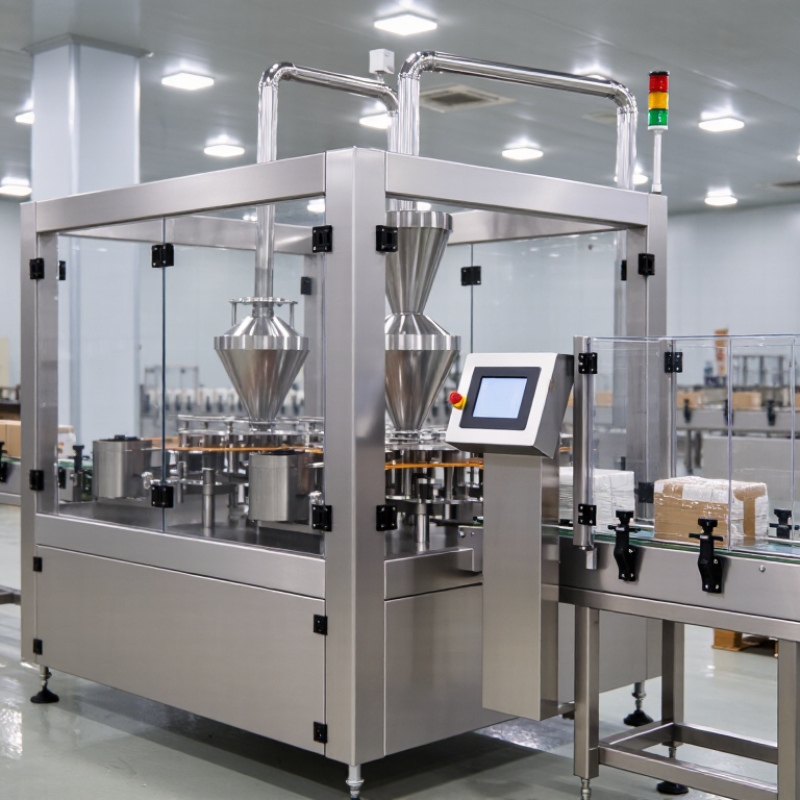
What Is the Best High Speed Packaging Machine in China?

What Defines a High-Speed Packaging Machine?

What Is the Best High Speed Packaging Machine in China?

In China’s packaging industry, “high speed” should not mean a dramatic number on a brochure. It means stable output under real production conditions. A machine rated at 120 packs per minute may slow when film tension changes, product sizes vary, or operators adjust the line. Speed alone can mislead. In practical evaluations, I watch ten-minute output, seal consistency, and stoppage frequency. The useful figure is saleable packs per hour, not the fastest empty-run result.

A high-speed packaging machine combines accurate dosing, rapid forming, precise sealing, and controlled product movement. Servo-driven motion can shorten each cycle, but control software must keep timing synchronized. Sensors should detect misfeeds, open seals, and film deviation before waste accumulates. Tool-free changeovers also matter. A line that runs quickly but needs forty minutes between formats may lose its advantage. Clean access, guarded moving parts, and clear operating instructions support safer daily work. These details are less exciting than speed, yet they reveal engineering maturity.

I also examine maintenance records, spare-part access, training quality, and performance after several months. This is where many comparisons become incomplete. A supplier may provide test data, but buyers should request samples using their own materials and products. Results can change with humidity, package dimensions, and staff experience. No machine performs perfectly in every factory. That limitation deserves honest discussion. The best choice is usually the system that maintains predictable quality while operators can inspect, clean, and adjust it without guesswork.

Key Types of High-Speed Packaging Machines in China

What Is the Best High Speed Packaging Machine in China?

Key Types of High-Speed Packaging Machines in China

China’s high-speed packaging sector offers several machine types for different products, package shapes, and production targets. Vertical form-fill-seal machines create bags from a continuous film roll. They suit snacks, grains, powders, and small hardware. Many models reach 60 to 120 bags per minute, depending on product flow and sealing time.

Horizontal form-fill-seal machines wrap biscuits, soap, trays, and other stable products. Their conveyor layout supports neat product spacing and attractive retail packs. Premade pouch machines handle doypacks, zipper bags, and spouted pouches. They usually provide cleaner presentation, but pouch loading and changeover can reduce output. Stick-pack and sachet machines work well for liquid, powder, and granular products. They save material, though narrow seals require careful temperature control.

A reliable choice depends on more than advertised speed. Servo-driven feeding, accurate weighing, steady film tension, and accessible cleaning points matter during daily production. From practical machine evaluations, operators often notice changeover time too late. A machine rated at 150 packs per minute may run slower with sticky powder or uneven materials. That is not a failure, but the calculation needs improvement. Buyers should request product trials, inspect seal strength, and review spare-part access before purchase. Simple controls help. Clear alarms help more.

What Is the Best High Speed Packaging Machine in China? – Key Types of High-Speed Packaging Machines in China
Machine Type Typical Packaging Format Common Product Applications Typical Speed Range Suitable Packaging Materials Typical Automation Level Main Selection Advantage
Vertical Form-Fill-Seal Machine Pillow bags, gusseted bags, block-bottom bags Granules, powders, snacks, grains, seeds, detergents and frozen foods 30–120 bags/min PE, laminated film, polypropylene-based film and recyclable mono-material film Automatic film forming, filling, sealing and cutting; optional weighing or auger dosing Efficient use of floor space and flexible bag-size adjustment
Horizontal Flow-Wrapping Machine Three-side-sealed pillow packs Bakery products, biscuits, vegetables, household items and medical disposables 80–300 packs/min Heat-sealable polypropylene, polyethylene, laminated films and paper-based heat-sealable films Automatic product feeding, film tracking, sealing and cutting High output for regularly shaped products and continuous production lines
Premade Pouch Packing Machine Stand-up pouches, flat pouches, zipper pouches and spouted pouches Pet food, sauces, snacks, coffee, powders, liquids and prepared foods 25–80 pouches/min Preformed laminated pouches, retort pouches and recyclable flexible pouches Automatic pouch picking, opening, filling, sealing and date coding Attractive package appearance and compatibility with zipper or spout features
Multihead Weigher Packing Machine Weighed bags or pouches produced through a VFFS or premade-pouch system Potato chips, confectionery, nuts, frozen products, hardware parts and granular foods 40–120 weighments/min Flexible heat-sealable films and premade pouches Computerized combination weighing with automatic target-weight correction High weighing accuracy for free-flowing products with variable piece size
Auger Filler Packing Machine Small and medium bags, sachets, jars or containers Flour, milk powder, spices, coffee, pharmaceutical powders and chemical powders 20–80 fills/min Flexible film, premade bags, plastic containers and composite cans Servo-driven auger dosing with automatic filling and sealing options Controlled dosing for powders with different bulk densities
Liquid and Paste Piston Filler Pouches, bottles, cups and jars Sauces, edible oils, detergents, cosmetics, creams and pharmaceutical liquids 20–100 containers/min Flexible pouches, PET or HDPE containers, glass containers and cups Automatic volumetric filling with optional capping, sealing and coding Suitable for products requiring controlled volume and repeatable filling
Stick Pack Machine Long, narrow single-dose sachets Sugar, salt, instant coffee, powdered beverages, pharmaceutical powders and liquid condiments 300–1,200 sachets/min Heat-sealable laminated film, polyethylene-based film and recyclable flexible film Multi-lane forming, dosing, sealing, cutting and batch coding Very high output and precise single-serve portion control
Sachet Packing Machine Three-side-sealed or four-side-sealed sachets Wet wipes, sauces, shampoo, cosmetic samples, powders and small liquid portions 40–240 sachets/min Laminated film, polyethylene film, aluminum-laminated film and paper-based barrier film Automatic film forming, dosing, sealing, cutting and registration control Well suited to low-dose products and sampling formats
Cartoning Machine Folding cartons with tuck-in or glued closures Food products, medicine, cosmetics, personal-care products and household goods 30–200 cartons/min Folding cartonboard, printed paperboard and coated carton materials Automatic carton erecting, product insertion, leaflet handling and closing Improves secondary packaging consistency and product presentation
Case Packer Corrugated shipping cases or trays Bottles, cans, cartons, pouches and multipack consumer products 10–40 cases/min Corrugated board, kraft paper cases and preformed trays Automatic grouping, case forming, loading and tape or glue sealing Reduces manual labor in end-of-line transport packaging
Palletizing Robot or Automatic Palletizer Stacked cases, bags, trays or cartons on pallets Food, beverages, chemicals, building materials and general consumer goods 10–60 cases/min Corrugated cases, woven bags, paper sacks, plastic cases and stretch film Automatic layer forming, pallet stacking and optional stretch wrapping Suitable for high-throughput lines requiring consistent pallet patterns
Speed figures are typical operating ranges for industrial equipment and vary according to product characteristics, package dimensions, filling accuracy, film properties, sealing requirements and the number of production lanes.

How to Compare Machine Speed, Accuracy, and Reliability

What Is the Best High Speed Packaging Machine in China?

Choosing a high speed packaging machine requires more than reading its advertised speed. During a factory trial, measure real output with your intended product and packaging material. A machine rated at 120 bags per minute may produce only 95 consistent bags. Record speed over several hours, not just during a short demonstration. Short tests can hide heat, vibration, and operator delays.

Accuracy deserves equal attention. Check fill weight, sealing position, date coding, and rejected packages. Use at least three product batches, because material differences can change performance. A practical test should include fine powder, uneven granules, or fragile items when relevant. Ask for recorded tolerance data, calibration methods, and inspection frequency. Numbers without test conditions are weak evidence.

Reliability appears in small details. Inspect frame rigidity, sensor protection, cleaning access, and spare-part availability. Review maintenance records and failure reports, rather than accepting general promises. Request a factory acceptance test with written results, training, and clear response times. Do not skip the service discussion. A fast machine that stops frequently may cost more than a slower, stable model. My own evaluation would still leave room for doubt, because production floors are less controlled than demonstrations. That uncertainty should be tested before purchase.

Leading Features of China’s Best Packaging Machines

The best high-speed packaging machine in China is not defined by speed alone. It must maintain accuracy during long production runs, frequent product changes, and uneven material conditions. Servo-driven filling, sealing, and feeding systems can reduce mechanical delays. Modern vision inspection also checks seals, labels, and missing components before cartons leave the line. These features matter when output reaches 120 to 300 packs per minute, depending on the product and package format.

China’s automation strength supports this development. The International Federation of Robotics reported 276,288 industrial robot installations in China during 2023, representing more than half of global installations. Packaging equipment increasingly uses robots for pick-and-place work, case packing, and palletizing. A practical machine should also provide stainless-steel contact parts, tool-free adjustments, remote diagnostics, and recipe storage. Fast changeovers are valuable. Ten saved minutes per shift can become significant across a year.

Data from PMMI’s 2024 packaging outlook highlights continued investment in automation, digital connectivity, and labor-saving equipment. However, speed claims need careful testing. A machine may reach its advertised rate with an ideal product, yet lose efficiency with dusty powders, fragile pouches, or irregular cartons. Buyers should request factory acceptance tests using actual materials. Measure overall equipment effectiveness, seal consistency, waste, and changeover time. No machine is perfect. Maintenance access and operator training are sometimes overlooked, even in technically advanced plants.

How to Select the Right Machine for Your Packaging Needs

What Is the Best High Speed Packaging Machine in China?

How to Select the Right Machine for Your Packaging Needs

The best high speed packaging machine is not always the fastest model. Start with your product, package size, film type, and daily output. A dry powder needs different feeding control from liquid or fragile snacks. Request a real product test before making a decision. Watch the machine form, fill, seal, and reject packages during continuous operation.

Measure practical speed, not only the number shown in a brochure. A machine rated at 100 packs per minute may deliver less after film changes and product adjustments. Check sealing temperature stability, filling accuracy, and package appearance. Ask how quickly operators can change the bag width. Five extra minutes per change can become costly during a busy shift.

Inspect the frame, electrical cabinet, sensors, and guarding carefully. Stainless steel construction helps in dusty or washable environments. Clear controls reduce training time, but complicated screens can still confuse new operators. Confirm spare-part availability, remote support, installation guidance, and operator training. I have seen equipment perform well during a short demonstration, then struggle with real product dust. That warning matters. A small pilot run, recorded results, and written service terms can reveal weaknesses before installation. Consider the full line, too. A fast filler cannot improve production if the conveyor, checkweigher, or cartoner creates a bottleneck.

Back to top
