Best LPG Storage Tank Options for Safe and Efficient Use?
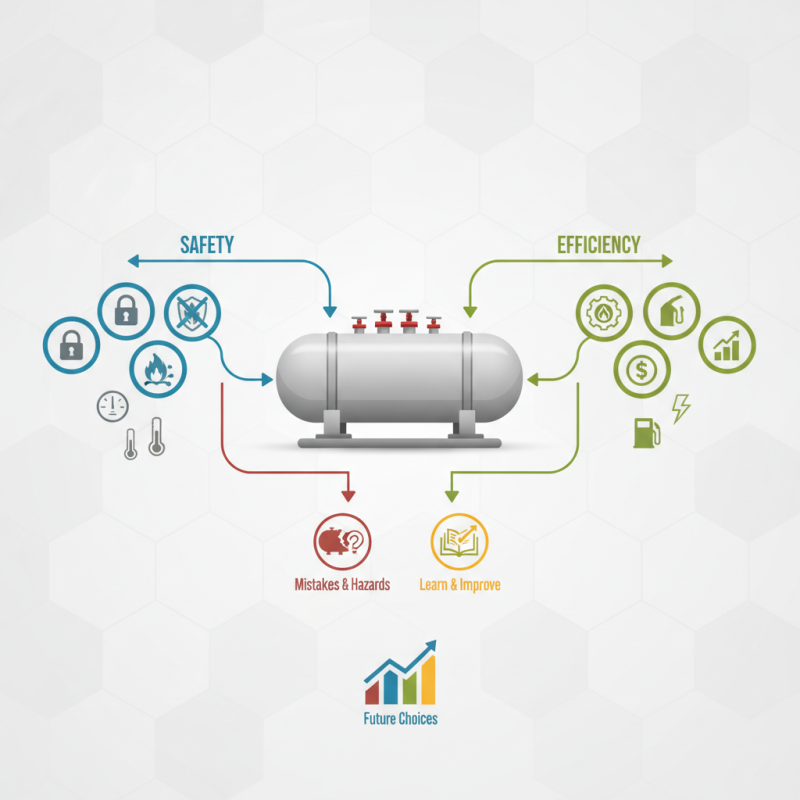
When considering the best LPG Storage Tank options, safety and efficiency are paramount. LPG, or liquefied petroleum gas, is widely used in households and industries, making it essential to have suitable storage solutions. A well-chosen LPG Storage Tank can ensure that the gas is stored securely and utilized effectively.
Many factors come into play when selecting a storage tank, such as size, material, and design. Each factor impacts not only the safety of the tank but also its overall performance. For individuals or businesses relying on LPG, investing time into understanding these options is crucial.
However, not all choices are perfect. Mistakes can happen, leading to inefficient use or safety hazards. It’s important to evaluate past decisions and learn from them. This reflection can help inform future choices, making the utilization of LPG Storage Tanks safer and more efficient.
Overview of LPG Storage Tanks and Their Importance
LPG storage tanks play a crucial role in both residential and commercial sectors. They safely contain liquefied petroleum gas, which is used for heating, cooking, and even fueling vehicles. Proper installation and maintenance are essential for preventing leaks and ensuring safety. Understanding the importance of these tanks helps in making informed choices.
Choosing the right tank involves considering factors like size and material. Steel tanks are common, but there are also composite options on the market. Each material has its pros and cons. For instance, composite tanks are lighter but may not hold up as well in extreme conditions. In addition, improper positioning can lead to issues like corrosion. Regular checks can prevent many problems.
Safety is paramount. Regular inspections can reveal hidden issues. An overlooked crack might lead to a dangerous leak. Users should also consider the environment their tank is located in. Inadequate drainage can lead to water accumulation, which can damage the tank over time. Making thoughtful choices now can lead to safer and more efficient use later.
Best LPG Storage Tank Options for Safe and Efficient Use
Criteria for Selecting the Right LPG Storage Tank
Choosing the right LPG storage tank is crucial for safety and efficiency. Before making a selection, consider the tank's size. The size should match your usage needs. A tank that's too small could lead to frequent refills. On the other hand, an oversized tank may waste space and resources.
Material is another important factor. Tanks made of steel are typically stronger. However, they may corrode over time. Plastic tanks are lightweight and resistant to rust, but they might not withstand extreme temperatures. You have to weigh the pros and cons.
Also, think about installation and placement. The location should be easily accessible for maintenance. Ensure it is away from any flammable materials. Safety regulations are essential. Finding the right balance in these aspects can be challenging. Yet, we've all seen stories of failed installations leading to problems. Prior planning and attention to detail can yield a safer solution for LPG storage.
Types of LPG Storage Tanks: An In-Depth Comparison
LPG storage tanks come in various types, each offering distinct advantages and challenges. Above-ground tanks are popular for their accessibility. They allow for easy inspections and maintenance. However, they are more vulnerable to environmental factors. Sunlight, wind, and rain can all impact their integrity over time. Deciding on this option means weighing risks carefully.
Underground tanks provide excellent protection from the elements. They often last longer and can save space above ground. But installation can be complex and expensive. Accessibility may be limited for routine checks. This could lead to neglect if proper protocols aren’t established. Tank placement requires thoughtful consideration to avoid future issues.
Another option is portable cylinders, suitable for smaller applications. They offer flexibility but require careful handling. Transporting cylinders involves safety concerns. Keeping them upright is essential to prevent leaks. This method may lack the efficiency needed for larger demands. User habits must adapt for safe usage. Each tank type demands thoughtful evaluation to ensure a secure solution.
Safety Features to Consider in LPG Storage Tanks
When considering LPG storage tanks, safety features are paramount. Look for tanks made from robust materials that can withstand pressure. A reliable tank should also have built-in safety valves. These valves prevent excess pressure buildup, reducing the risk of leaks or explosions.
Regular maintenance is essential. Inspect tanks for corrosion or damage constantly. Keep an eye on connections and fittings. Small issues can escalate quickly. Avoid taking chances with gas.
Tips: Always ensure proper ventilation around the storage area. This minimizes the risk of gas accumulation. Additionally, consider installing leak detection systems. These systems can alert you to any potential problems before they become serious. Safety should always be the top priority. Knowing when to replace parts or the tank itself can save lives.
Maintenance Practices for Optimal LPG Tank Efficiency
Proper maintenance is essential for optimal LPG tank efficiency. Regularly check for leaks. A simple soapy water spray can help identify them. If bubbles form, there’s a leak. Address leaks immediately to prevent dangerous situations.
Routine inspections should include checking valves and pressure gauges. These components can wear over time. Replace any faulty parts to ensure safe operation. Additionally, keep the tank area clear of debris. This prevents any accidental impacts or blockages.
Hydrostatic testing is another practice to consider. It measures the tank’s integrity. However, not everyone performs this. Many overlook it until a problem arises. Regular testing can prevent costly issues down the line. Don't ignore corrosion signs. Take action to ensure the longevity and safety of your LPG tank.




 Send Inquiry

