
GST : 27AAFFV7667M1ZA

call images

Call us

08045801431

What Are the Best Tire Balance Beads in 2026?

Choosing the best Tire Balance Bead in 2026 takes more than comparing package prices. The right product should suit the tire, wheel, vehicle load, and manufacturer’s instructions. A bead that works well in a highway truck tire may not be the right choice for a passenger car. Fit matters.

Tire-service specialist Mark Ellis puts it this way: “Balance media must match the tire application, not just the wheel.” That practical reminder helps keep comparisons grounded. Check the bead material, recommended quantity, packaging, and installation guidance. Also ask whether the product is intended for your tire type. Small details count.

This guide compares leading options by application, ease of use, product information, and value. It also considers what buyers can verify before opening a package: clear dosage charts, compatibility notes, and support from the manufacturer. Those details are not glamorous. They can prevent an expensive mismatch.

Beads are not a fix for every vibration. A damaged tire, bent wheel, or worn suspension component may need attention instead. That distinction is easy to overlook, especially when a product promises a quick solution. Our comparison aims to be useful, not perfect; product claims and availability can change during 2026. Check current specifications before purchase.
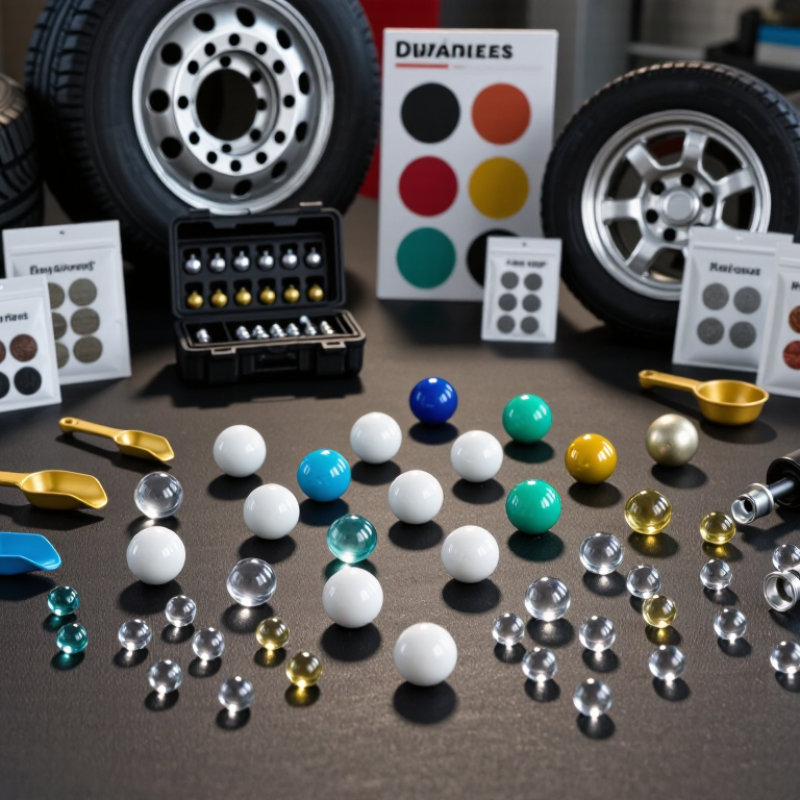
What Are the Best Tire Balance Beads in 2026?

Define Tire-Balance Beads and Their Role in Dynamic Wheel Balancing

Tire-balance beads are small, free-moving granules placed inside a tire during installation. As the wheel spins, centrifugal forces move them toward areas affected by uneven mass. Their shifting weight can help counter imbalance in the rotating tire-and-wheel assembly. Unlike clip-on weights, beads work inside the tire and move as the assembly rotates. Small details matter.

Dynamic wheel balancing addresses vibration caused by uneven mass around a rotating wheel, often felt through the steering wheel at highway speeds. Beads are intended to help balance the assembly while it is moving. They do not correct alignment problems, worn suspension parts, or tire damage. Balance is not alignment. A bent rim still needs attention. Results depend on the correct bead quantity, tire size, installation method, and compatibility with the tire’s interior.

In practice, follow the bead supplier’s fitment instructions and check for other causes of vibration before installation. A vehicle that still shakes needs diagnosis, not simply more beads. The idea is useful, but it is not magic. Beads may not distribute consistently in every tire and wheel combination, particularly if moisture, sealant, or interior surfaces interfere. A proper inspection and road test can help confirm whether the vibration has improved.

Compare Bead Materials by Durability, Flow, and Tire Compatibility

Choosing tire balance beads means weighing durability against how reliably they move inside a rotating tire. The ASM Handbook’s material-property tables give typical densities of about 2.4–2.6 g/cm³ for soda-lime glass, 3.8–4.0 for alumina ceramics, and 7.7–8.0 for steel. These figures describe solid materials, not finished bead products; shape and surface finish also affect movement. Ceramic beads resist wear, while glass is lighter. Steel is dense, but corrosion and bead shape deserve attention. Flow matters, too. A dusty or irregular batch may bridge at the valve or shift less freely, even when its material sounds suitable.

Tire compatibility is not a minor detail. Bead size, tire construction, internal sealant, and pressure-sensor hardware can all affect whether a product is appropriate. ASTM D792 provides a recognized method for measuring material density, but density alone cannot prove safe fit or good balancing performance. Ask for documented particle-size ranges and compatibility guidance, and follow the tire and vehicle makers’ instructions. In practice, a clean installation and correct quantity matter as much as the material. That sounds tidy, but it is not the whole story: real-world results vary with load, speed, and tire condition. I would treat broad claims of universal fit cautiously.

Assess Imbalance: 1 oz at 60 mph Can Generate About 13 lb of Force

What Are the Best Tire Balance Beads in 2026?

A small imbalance can create a surprisingly large force. At 60 mph, a one-ounce imbalance may generate about 13 pounds of centrifugal force, depending on tire size and where the weight sits. That force repeats with every rotation, adding vibration and stress to the tire and suspension.

The number is an estimate, not a universal measurement. Speed matters too: centrifugal force rises sharply as speed increases. That is not trivial.

Tire balance beads are small particles placed inside a tire. As the wheel spins, they can shift and help counter uneven weight distribution. Their performance depends on correct sizing, installation, and tire condition. Beads cannot repair a bent rim, damaged tire, or faulty wheel assembly.

A steering-wheel shake may have several causes, so checking the whole wheel is wiser than guessing. I’d be cautious about treating any balancing method as a cure-all.

Tips:

Check your tire and wheel for damage before installation. Follow the tire or vehicle maker’s guidance on bead quantity and compatibility. If vibration remains, worsens, or appears at a particular speed, have a qualified technician inspect the assembly. A short test drive may help reveal changes, but it does not replace proper diagnosis.

Match Bead Dosage to Tire Size, Load, and Manufacturer Specifications

Choosing tire balance beads in 2026 starts with matching the dose to the complete tire-and-wheel setup, not just the tire’s diameter. Check the tire size, wheel type, and manufacturer’s dosage chart. A light passenger tire and a heavily loaded trailer tire may need different amounts, even when their dimensions look similar. Small details matter.

Load changes the balancing demands. Consider the vehicle’s typical cargo, axle rating, and whether the tire is used on a single or dual-wheel arrangement. Follow the bead maker’s instructions for the exact tire size and application; do not estimate by pouring in a handful. Too few beads may leave vibration, while excess material can add unnecessary weight. More is not automatically better.

Keep the tire and wheel manufacturer’s specifications in view, too. Confirm that beads are approved for the tire construction and valve arrangement, and use the stated installation method. If the tire already has internal balancing media or wheel weights, check compatibility before adding anything. Not always obvious. In practice, charts may differ slightly between products, and field conditions are rarely perfect. Record the tire size, load, and amount used; that makes a later vibration check more useful.

What Are the Best Tire Balance Beads in 2026? Match Bead Dosage to Tire Size, Load, and Manufacturer Specifications

Load index reference: Maximum rated load per tire for selected standardized load indexes.

A tire’s load index indicates its maximum rated load under specified conditions; it does not determine bead dosage. Choose the bead quantity using the dosage chart for the exact tire size and application, and follow the bead manufacturer’s specifications. The values shown are standardized load-index references, not bead-dose recommendations.

Rank 2026 Options by Fitment, Valve Compatibility, Testing, and Warranty

In 2026, the best tire balance beads are not simply the ones with the boldest performance claims. Rank options by fitment first: check tire size, wheel type, and the maker’s dosage chart. Guessing from vehicle class alone can lead to poor results. Small detail, big difference. Confirm that the beads suit the tire’s construction and intended load, and follow the installation instructions rather than pouring in an approximate amount.

Valve compatibility deserves its own check. Some setups need compatible valve cores or screens to reduce the chance of beads interfering with inflation; verify this with the product instructions. Then look for testing details: were results measured on real wheels, across repeated drives, and at different speeds? A single smooth test run proves little. Warranty terms should clearly state coverage, exclusions, and what proof is required for a claim. I would give more weight to specific, verifiable test methods than sweeping promises, though test conditions are rarely perfect. A transparent limitation is more useful than a perfect-sounding guarantee.

Back to top
