Best Wall Board Panels for Your Next Project Choices?
Choosing the right wall board panels can significantly transform your space. These panels are versatile and come in various materials, textures, and designs. Each option serves a unique purpose, which can enhance the overall aesthetics and functionality of your project. Finding the perfect fit may feel overwhelming, but understanding the basics can simplify the decision-making process.
When selecting wall board panels, consider factors like durability, cost, and installation ease. Each material offers distinct benefits. For example, plywood panels provide strength, while drywall remains popular for its affordability. However, not all options suit every environment. Additional factors include moisture resistance and insulation properties.
Don’t rush the selection. Take your time to research and reflect. It’s essential to weigh both pros and cons. An informed decision will not only elevate your project but also ensure longevity. Wall board panels can make or break your design. Prioritize quality to avoid future regrets. A thoughtful choice leads to lasting satisfaction.
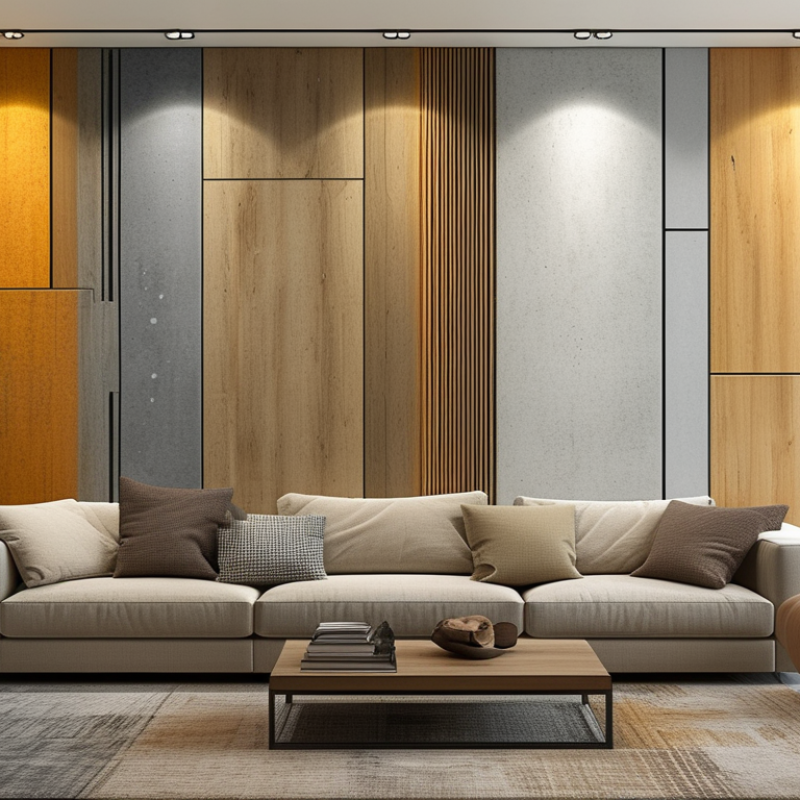
Types of Wall Board Panels and Their Unique Features
When choosing wall board panels for your next project, understanding the different types and their unique features is crucial. Gypsum boards are popular due to their fire-resistance properties. They typically have a fire rating of up to one hour. This makes them an excellent choice for safety-critical areas. However, they are less resistant to moisture, which can be a downside in humid environments.
Another option is plywood panels. They offer great structural strength and aesthetic appeal. In fact, studies show that plywood’s shear strength can be up to three times greater than that of gypsum. Nevertheless, they require careful maintenance and sealing to prevent warping. Laminate panels are also gaining traction due to their affordability and design versatility. With their ability to mimic higher-end materials, they are a cost-effective choice. Yet, they may lack longevity compared to solid wood or high-quality wall boards.
It's essential to weigh these features against your project requirements. You want a solution that works well with the specific conditions of your space. Each panel type offers a unique set of benefits and drawbacks. Take your time to evaluate them carefully.
Factors to Consider When Choosing Wall Board Panels
Choosing wall board panels for your next project involves several crucial factors. First, consider the type of material. Common options include plywood, drywall, and fiberboard. Each has unique properties affecting durability and appearance. For instance, plywood is sturdy but can be heavier, while fiberboard is lighter and more affordable. Understand your specific needs before making a decision.
Next, think about insulation and soundproofing. Some panels offer enhanced thermal resistance or sound dampening features. If you're working in a noisy area, soundproof panels can make a substantial difference. Aesthetics also matter. Choose colors and textures that complement your project. However, trendy finishes might not always stand the test of time. Longevity is key. Investing in high-quality materials often pays off in durability and overall satisfaction.
Lastly, consider installation and maintenance. Some panels are easier to install than others. A complex installation process can increase labor costs and time. Reflect on any future repairs or renovations too. A panel that is difficult to replace can complicate your project down the line. Always weigh these factors carefully to ensure you make informed choices that meet both your immediate and future needs.
Top Brands and Products in the Wall Board Panel Market
When selecting wall board panels, understanding the market's top brands is essential. A recent report highlighted that the global wallboard market is projected to reach USD 60 billion by 2025, driven by construction and renovation. This growth shows an increasing demand for reliable wall board options.
Key features to look for include durability, sound insulation, and moisture resistance. Panels designed with advanced technology help mitigate common issues like mold. Research shows that moisture-resistant boards can reduce repair costs by at least 15%. It's essential to examine options based on these criteria. Some panels perform significantly better in high humidity versus dry environments.
However, not all panels are suitable for every project. Some materials may lack sustainability or contribute to higher emissions. A study indicated that 20% of walls could benefit from eco-friendly materials. This is an area needing attention in the industry. Prioritizing sustainability can enhance project success and overall environmental impact.
Installation Tips for Wall Board Panels in Various Settings
When installing wall board panels, preparation is key. Start by measuring your space accurately. This ensures that each panel fits perfectly without excess cutting. Gaps can disrupt the overall aesthetics. Use a quality level to check for plumb walls. Uneven surfaces require extra attention, as they can complicate installation.
Consider the environment where you’re installing panels. Moisture-prone areas like bathrooms need specific types of panels. They help prevent warping or mold growth. Using appropriate adhesives or fasteners enhances durability. Each panel should be securely anchored to avoid sagging over time. Pay special attention when finishing around edges and corners. Gaps here can lead to a lack of visual appeal.
Even with the best materials, mistakes happen. Misalignment or damage during transport may occur, so be prepared to adapt. Keep extra panels on hand in case of errors. It’s also smart to review installation instructions thoroughly. Every setting may present unique challenges. Embrace these as learning opportunities for future projects. Proper planning and attention to detail can lead to a successful and polished result.
Best Wall Board Panels for Your Next Project Choices
| Type of Wall Board | Material | Thickness (inches) | Recommended Settings | Installation Tips |
| Drywall | Gypsum | 0.5 | Residential & Commercial | Use drywall screws; tape joints for a smooth finish. |
| Plywood Paneling | Plywood | 0.25 | Interior Accent Walls | Pre-drill holes to avoid splitting; use adhesive for better grip. |
| Fiber Cement Board | Cement and Cellulose | 0.5 | Exteriors and Basements | Use a circular saw; seal edges to prevent moisture entry. |
| PVC Wall Panels | PVC | 0.5 | Bathrooms and Kitchens | Use a panel adhesive and ensure surface is clean before applying. |
| Acoustic Panels | Fabric and Foam | 1 | Recording Studios and Theaters | Use staples or adhesive; place strategically for best sound absorption. |
Maintenance and Care for Long-Lasting Wall Board Panels
Choosing wall board panels for your project is significant. However, maintaining them is crucial for longevity. Regular maintenance ensures these panels last and continue to look good. Dust and grime can accumulate over time, affecting their appearance. A simple cleaning routine can make a difference.
Studies indicate that properly maintained wall panels can last over a decade. An annual inspection can help identify early signs of wear and damage. This proactive approach helps avoid costly repairs later. Avoid abrasive cleaners, as they can scratch surfaces, leading to potential mold growth. Moisture can be a significant issue; keeping panels dry is essential.
Consider using a protective sealant every few years. This will enhance durability and aesthetics. Meanwhile, understand the limitations of these materials. For instance, they may not withstand heavy impacts. Flexibility in your design and material use can help you avoid mistakes. Regular care fosters a safer and more pleasant environment.



 Send Inquiry

