China Best 12V Magnetic Connector Manufacturer and Supplier
A reliable 12v Magnetic Connector is more than a convenient plug. It must align cleanly, maintain stable electrical contact, and suit the device’s current and operating conditions. For buyers comparing China-based manufacturers and suppliers, small design details matter. The shape of the contacts, the strength of the magnetic attraction, and the cable’s strain relief can all affect everyday performance. Fit matters. So does testing.
W. Edwards Deming, a leading quality-management expert whose ideas inform manufacturing practice, is often associated with the principle, “Quality comes not from inspection, but from improvement of the process.” Applied to magnetic connectors, that means checking quality throughout production, not only at final inspection. Buyers can ask suppliers how they verify contact resistance, temperature rise, connection cycles, and dimensional consistency. Clear test methods make comparisons more useful. A polished sample alone proves little.
This guide explores what to consider when selecting a China Best 12V Magnetic Connector Manufacturer and Supplier. It looks at connector design, material choices, customization, production capacity, and quality evidence. A supplier may offer an attractive price, yet leave important test details unclear. That deserves a closer look. Product requirements vary, too, so specifications should match the actual device rather than a broad catalog description. The right choice is not simply the strongest magnet or lowest quote. It is a connector and supplier combination that fits the application and can support consistent production.
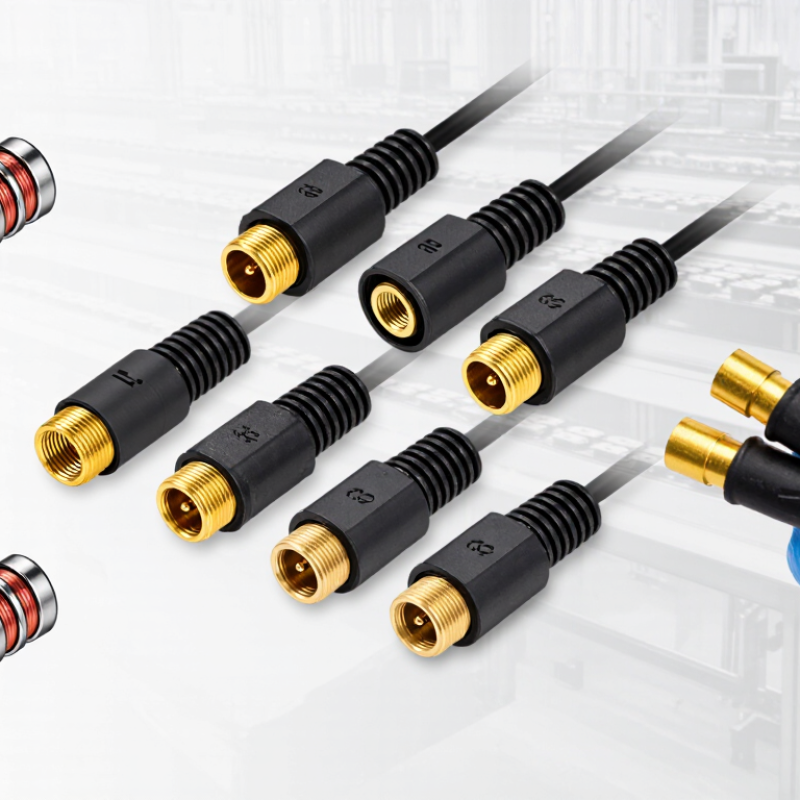
Understanding 12V Magnetic Connectors and Their Core Functions
Understanding 12V Magnetic Connectors and Their Core Functions
A 12V magnetic connector links a power source to a device through magnetically aligned contacts. Its magnetic pull helps guide the two halves together, even when access is awkward or hands are busy. The 12V rating describes the intended voltage; it does not indicate how much current every connector can safely carry. That depends on its design and specified limits.
Inside the connector, conductive contacts complete the circuit and deliver power to the connected equipment. In practical installations, this can make repeated connection and disconnection easier for lighting, portable electronics, or small equipment. A gentle pull may separate the connector if a cable is snagged, which can reduce strain on the cord. Not by itself. A magnetic connection does not guarantee protection from water, dust, or accidental separation.
For dependable operation, check the rated current, contact layout, and polarity before use. Misaligned contacts or metal debris can interrupt the connection, and poor contact pressure may cause heat or unstable power. A clean, dry contact surface helps. During inspection, look for discoloration, looseness, or damaged insulation. These details are easy to overlook when a connector snaps into place neatly. That satisfying click is useful, but it is not a substitute for checking the device’s electrical requirements.
Key Components and Design Features of 12V Magnetic Connectors
A 12V magnetic connector is built around more than a pair of magnets. Its main parts include conductive contacts, a molded insulating body, and a cable termination. The magnets guide the two halves together and help maintain contact. They should not carry electrical current. That job belongs to the metal pins or contact pads.
Contact geometry affects performance. Spring-loaded pins can accommodate small gaps and surface variations, while flat pads offer a simpler profile. Either design needs consistent spacing and enough contact pressure. Polarity also matters. Clear alignment features can reduce the chance of reversed connections, especially when the connector is used in dim or cramped spaces. A small detail matters.
The housing protects the contacts from knocks and limits movement at the cable exit. For equipment exposed to moisture or dust, sealing depends on the full assembly, not just the connector face. Check the stated protection rating and test the actual installation. Current capacity deserves equal attention: undersized contacts may warm during extended use, even at 12 volts. There is a trade-off between a compact shape and room for stronger contacts. I would not assume the smallest design is the best one. Real cable routing and repeated connection tests often reveal issues that a drawing misses.
Common Applications and Performance Requirements
Common 12V magnetic connectors serve low-voltage docks, handheld instruments, LED modules, and removable control panels. Magnetic alignment helps users reconnect cables in tight spaces, such as behind a display or inside a dim cabinet. Alignment matters. Specify rated voltage and current, contact resistance, mating-cycle life, retention force, and ingress protection. A 12V rating alone does not show whether a connector will overheat under continuous load.
Environmental and mechanical conditions determine suitability. Repeated drops or cable pulls can separate contacts in portable equipment, while sustained current may heat small contact areas in lighting systems.
The IEA’s Global EV Outlook 2024 reports nearly 14 million electric-car sales in 2023, around 18% of global car sales. This indicates a growing electrified-vehicle environment, not magnetic-connector adoption. Automotive components still need application-specific vibration, temperature, and electrical testing. A magnet guides mating; it cannot replace a secure latch where accidental disconnection creates risk.
Tips: Test at maximum continuous load, not just during a brief bench check. Measure contact temperature after it stabilizes, then repeat after the planned mating-cycle count. Check polarity protection, short-circuit behavior, and debris attraction; tiny steel filings can bridge exposed contacts. Magnetic pull strength and electrical reliability are not the same thing.
How 12V Magnetic Connectors Are Manufactured and Tested in China
China Best 12V Magnetic Connector Manufacturer and Supplier
How 12V Magnetic Connectors Are Manufactured and Tested in China
Manufacturing a reliable 12V magnetic connector starts with controlled materials and precise tooling. Copper-alloy contacts are stamped or machined, then plated to reduce oxidation and maintain stable electrical contact. Insulating housings are molded to hold each contact in position. Magnets are fitted with polarity and alignment checked before assembly. Small gaps matter: even slight misalignment can weaken the connection or increase resistance.
Testing should cover electrical and mechanical performance, not just appearance. IEC 60512-2-1 describes methods for measuring contact resistance, while IEC 60512-5-2 addresses current-carrying capacity tests. A factory can record resistance, voltage drop, temperature rise, retention force, and repeated connection results for each product specification. The IEA’s Global EV Outlook 2024 reports that electric car sales exceeded 17 million in 2024, representing more than one in five cars sold worldwide. This is broad market context, not connector-specific evidence, but it underscores why dependable low-voltage components matter.
Tips: Ask for test records tied to the exact connector model. Check magnet polarity, contact resistance, and temperature after a load test. A neat sample is not proof of consistent production; batch traceability matters, too. Some test limits vary by design, so confirm them before comparing suppliers.
Choosing a Suitable Chinese Manufacturer and Supplier
Choosing a suitable Chinese manufacturer and supplier starts with a clear specification, not a polished catalogue. For a 12V magnetic connector, define rated current, contact layout, cable length, and installation space. Share a drawing or a physical sample, then ask how the supplier checks magnet alignment and contact resistance. These details affect connection stability in real equipment.
A neat brochure proves little. Request samples and test them under your expected load, including repeated connection cycles and gentle cable movement. Ask for inspection records, material details, and a realistic production schedule. Small details matter. Confirm how design changes are recorded and who handles quality issues after delivery. A responsive technical contact can make troubleshooting easier, though quick replies alone do not guarantee good production. I would compare sample results with the written specification rather than rely on a single successful test.
Before placing an order, discuss tolerances, packaging, and acceptance criteria in plain language. Ask the supplier to explain any limits they cannot meet. A factory may have strong equipment yet still need clearer instructions for a custom assembly. That is worth noticing. Check whether the same checks used on samples will be applied to the full batch, and keep approval records for future orders.




 Send Inquiry


