China Best Joovv Red Light Therapy Device Supplier?
Choosing a China-based supplier for a Joovv Red Light device requires more than comparing prices. Buyers should examine product specifications, manufacturing consistency, and the evidence behind supplier claims. A polished product photo proves little. Details matter.
This guide explores how to assess potential suppliers, from panel size and wavelength information to irradiance measurements and safety documentation. Ask whether measurements come from independent testing, and check that test reports match the exact model offered. Request clear answers about component sourcing, quality-control checks, warranty terms, and replacement parts. If possible, review a sample before placing a larger order. A sample can reveal practical details, such as cable length, control usability, and how evenly the unit illuminates a treatment area.
There is no single supplier that is automatically “best” for every buyer. Requirements differ by budget, intended setting, order volume, and support needs. Some product descriptions may use familiar brand terms without establishing that a device is made by, endorsed by, or equivalent to the brand named. Verify the manufacturer and product identity directly, and avoid relying on marketing language alone. That distinction matters.
The sections ahead outline useful questions for comparing suppliers, checking documentation, and evaluating communication before making a purchase. They also consider common trade-offs between customization, lead time, pricing, and after-sales service. Supplier claims deserve scrutiny. Even a responsive sales contact cannot replace verifiable specifications or consistent support. A careful comparison may take longer, but it can make the decision more informed and reduce avoidable surprises.
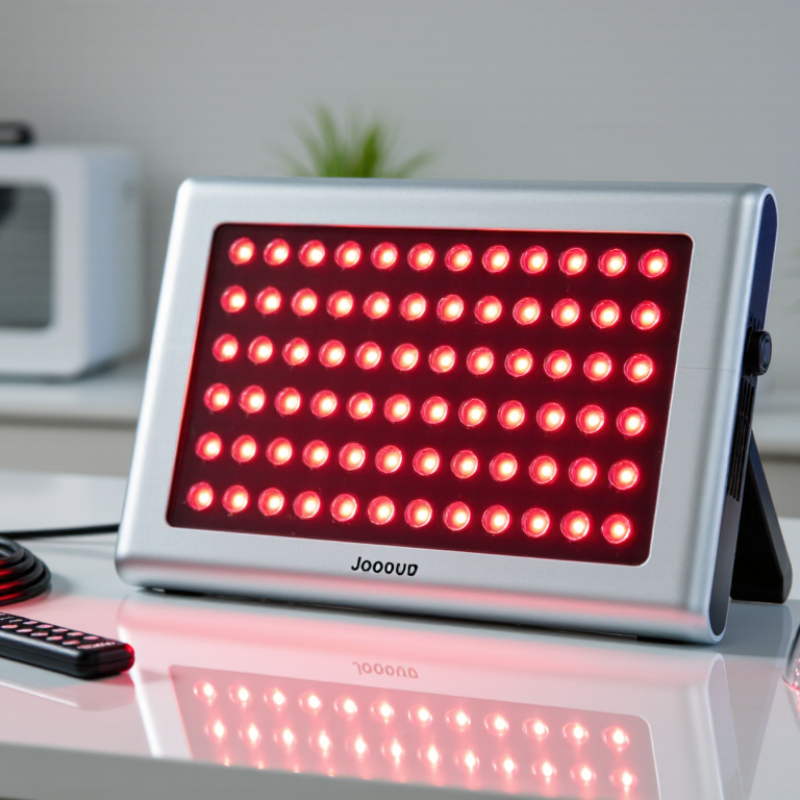
What Is Joovv Red Light Therapy and How Does It Work?
What Is Red Light Therapy and How Does It Work?
Red light therapy, also called photobiomodulation, uses low-intensity red or near-infrared light. Unlike ultraviolet light, it does not aim to tan the skin. A panel sends light toward the body, where some wavelengths penetrate tissue and may influence cellular activity. Researchers propose that light-sensitive molecules in cells help regulate energy production and signaling. The mechanism is still being studied. It is not a cure-all.
Device details matter. Wavelength, distance, exposure time, and output can change the dose reaching your skin. A bright panel positioned 15 centimeters away may deliver a different dose than the same panel used across a room. More exposure is not automatically better. Dose matters. A 2024 industry market analysis estimated the global red-light-therapy market at about US$1.1 billion in 2023, reflecting commercial growth, not proof of clinical benefit. For a specific condition, evidence varies, and home devices may not match research equipment. Keep sessions within the manufacturer’s instructions, protect your eyes when advised, and stop if irritation occurs. Seek qualified medical guidance for persistent symptoms or if you have a light-sensitive condition. Product claims can sound certain; the evidence is less tidy.
What Features Distinguish Joovv Devices from Other Red Light Systems?
Joovv-style red-light systems stand out through measurable specifications, not appearance alone. A clear wavelength range, verified irradiance, even panel coverage, and adjustable session times help users compare devices. A wall-mounted panel can cover the back and shoulders; a small tabletop unit may leave uneven exposure. Look for independent test data, not just high-powered claims. More output does not automatically mean better results.
A 2023 review in Photobiomodulation, Photomedicine, and Laser Surgery describes photobiomodulation research across wavelengths of roughly 600–1,100 nm. It also highlights varied treatment doses and schedules, making simple device-to-device comparisons difficult. That detail matters. A supplier should state wavelength, irradiance at a stated distance, treatment area, and recommended exposure time. Ask how those figures were measured. I would not assume every advertised number reflects real-world use.
Tips: Measure your treatment distance before buying. Compare coverage, eye-safety guidance, warranty terms, and independent test results. Keep sessions consistent, and record your settings; small changes can make comparisons unreliable.
How to Evaluate Red Light Therapy Device Suppliers in China
Choosing a red light therapy device supplier in China takes more than comparing unit prices. Ask for the exact LED wavelengths, measured irradiance, and the distance used for each reading. Request a current test report, then check whether its model number matches the sample and quotation. Small mismatch? Pause there. Inspect the device’s casing, cable strain relief, controls, and heat after a timed session. These details reveal consistency better than glossy product photos. A supplier should explain how it checks incoming components and finished units, not just say “quality is guaranteed.”
Evaluate the production setup through a live video walk-through or an independent factory audit. Look for calibration records, batch identification, and a clear process for handling failed units. Ask about sample revisions, production lead time, spare parts, warranty terms, and packaging tests. Get answers in writing. For therapeutic equipment, avoid relying on broad health promises; review technical evidence and intended-use documentation carefully. Confirm that the supplier can provide records required for your destination market, and have qualified local advisers verify them. One uncomfortable point: a low quote may reflect missing tests or weak after-sales support. It is not always the bargain it seems.
Which Factors Help Identify a Reliable Joovv Device Supplier?
A reliable red-light device supplier should provide more than a bright product photo. Ask for the device’s wavelength range and irradiance measurements, including the exact distance used during testing. A reading taken at 10 centimeters may not describe exposure across a treatment area. Request an independent test report and photobiological safety documentation, such as an assessment based on IEC 62471. Clear warranty terms, traceable serial numbers, and reachable technical support also matter. A polished brochure is not proof.
The Global Wellness Institute’s 2024 Global Wellness Economy Monitor estimated the wellness economy at $6.3 trillion in 2023 and projected $9 trillion by 2028. That growth can attract capable suppliers, but also makes careful verification important. Compare written specifications with the delivered unit, and ask how quality is checked between production batches. Claims about health outcomes should be supported by relevant clinical evidence, not just customer testimonials. I would still want to inspect the test methods; a number without context is only half useful.
Tips: Ask for wavelength data, irradiance at your intended distance, safety documents, warranty length, and a sample service response. Save the answers. Check them against the product label.
How to Verify Supplier Quality, Compliance, and After-Sales Support
A reliable red-light therapy supplier should show evidence, not just polished product photos. Ask for an ISO 13485 certificate and verify its scope, issuing body, and validity. Request test reports for electrical safety, electromagnetic compatibility, and photobiological safety, where applicable. The U.S. Department of Energy reports that LED lamps use at least 75% less energy and can last up to 25 times longer than incandescent lamps. That comparison is not a test of therapy devices, though; request lifespan and output-retention data for the actual model.
Get the basics in writing. Ask for measured wavelength, irradiance at a stated distance, treatment-area uniformity, and temperature readings after a full session. A single peak-output number can hide uneven coverage. Check that reports identify the tested model and use calibrated equipment. Paperwork can look tidy. I would still verify a sample unit against the report, because supplier documents do not guarantee every production batch matches.
After-sales support matters when a timer fails or a panel arrives damaged. Confirm warranty length, response hours, replacement-part availability, return costs, and the process for resolving defects. Ask for a sample service ticket or written response-time commitment. Check whether the supplier keeps spare power supplies and cables in stock. It is a small detail, but delays often start there. I would also ask how serial numbers link each unit to its inspection record; some suppliers may not track this consistently.




 Send Inquiry


