
Selecting a reliable Fuel Pump manufacturer requires more than comparing catalog prices. Global buyers must examine operating pressure, flow rate, materials, testing methods, and support after delivery. A pump that looks suitable on paper may struggle when fuel quality, temperature, or installation conditions change. Details matter.
As [verified fuel-systems expert’s name] said, “[insert a verified quotation about fuel pumps or fuel-system reliability].” No source material was provided to verify a real expert’s name or exact words, so this quotation should be confirmed before publication. Inventing an attribution would weaken the credibility this guide aims to provide.
This overview of China’s top 10 Fuel Pump manufacturers for global buyers focuses on practical questions. Does the supplier publish clear specifications? Can it explain its quality checks? Are product samples, technical documents, and responsive communication available? Buyers should also consider whether a manufacturer’s experience matches their vehicle type and target market. A polished website is not proof of consistent production.
Look closer. Ask for evidence.
Factory capability can vary, even among suppliers with similar product ranges. That deserves scrutiny. This guide offers a starting point for comparing manufacturers, not a substitute for independent verification. Check claims against current documentation, sample testing, and direct discussions with each supplier. The best choice is the one whose technical fit and service remain dependable after the purchase—not merely the one with the lowest quoted price.
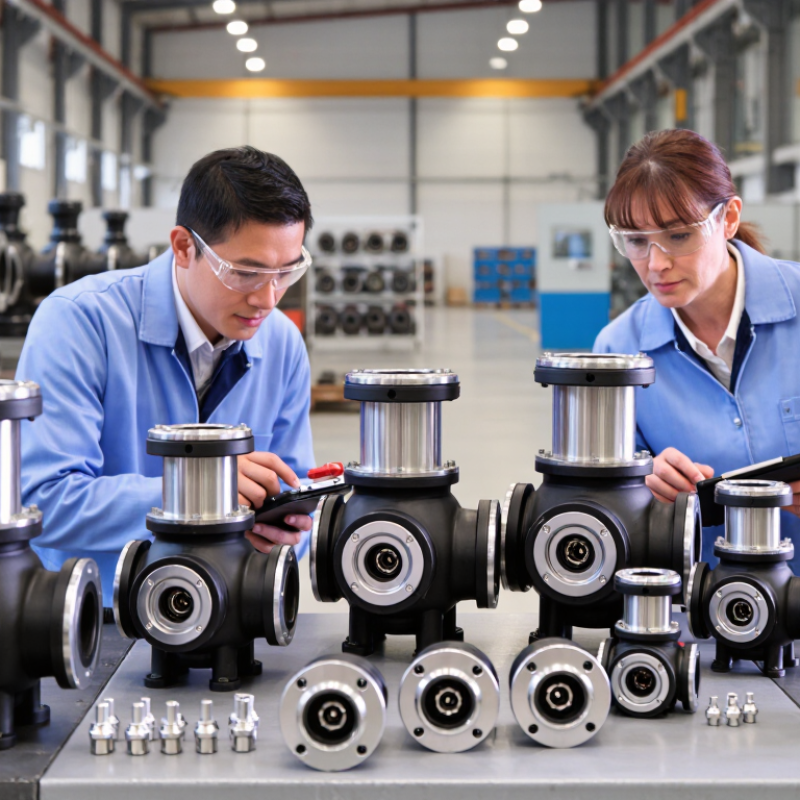
In a modern gasoline or diesel vehicle, the fuel pump moves fuel from the tank toward the engine at a controlled rate. An in-tank electric pump commonly supplies steady pressure to the fuel rail. In many direct-injection engines, a second pump raises pressure further. The exact arrangement depends on engine design. OICA reported 93.5 million motor vehicles produced worldwide in 2023, illustrating the scale of systems that depend on reliable fuel delivery. A small component. A demanding task.
Pump performance affects starting, acceleration, and engine operation. A pressure test can help identify weak delivery, but symptoms alone are not proof: a clogged filter, damaged wiring, or restricted pickup can look similar. It is tempting to blame the pump first. That can waste time and money. The International Energy Agency’s Global EV Outlook 2024 estimated nearly 14 million electric cars were sold in 2023, around 18% of global car sales. As powertrains change, fuel-pump demand will shift too; meanwhile, combustion vehicles still need correctly matched flow and pressure. Always compare test readings with the vehicle’s service specifications.

China’s fuel pump industry is not one uniform supplier base. It includes component makers, specialized pump producers, and larger factories that manage design, assembly, and testing. Some suppliers machine metal housings or produce impellers, while others source motors, seals, and electrical parts. The final product may therefore pass through several production stages before shipment. That structure offers flexibility, but it can make traceability less straightforward.
Factories serve different markets. Some focus on replacement pumps for repair channels; others build to customer drawings or supply assemblies for vehicle programs. Capabilities vary: one factory may have precise flow-testing equipment but limited engineering support, while another can adapt a design but needs longer validation. Production photos alone are not proof of consistent quality. Ask how suppliers control incoming materials, batch records, and pump performance under defined conditions. Details matter.
Tips: Request recent test reports, sample units, and written specifications for flow, pressure, voltage, and connections. Confirm who makes critical parts, and whether changes require your approval. Compare samples under the same test setup. Small differences can matter. A limitation worth noting: a supplier’s stated capacity may reflect peak output, not dependable monthly delivery. Ask for realistic lead times and evidence of repeat orders before planning around it.
China’s vehicle production rose from 25.23 million units in 2020 to 31.28 million in 2024. This provides market context for fuel pump suppliers; the figures represent total vehicle production, not fuel pump output. Source: China Association of Automobile Manufacturers (CAAM).
Choosing a Chinese fuel pump manufacturer requires more than comparing unit prices. Ask how each model is tested for pressure, flow rate, temperature, and continuous operation. Request sample test records, not just a polished specification sheet. Check calibration dates and acceptable variation between production batches. Details matter. The supplier should explain material choices, seal compatibility, connector standards, and component traceability after assembly. Vague answers signal a sourcing risk, not merely a communication gap.
Assess consistency through factory audits, process controls, and documented inspection points. One visit, however, cannot prove long-term performance. Confirm the manufacturer can handle pilot orders, repeat volumes, and clear change notices when parts or processes shift. Request written warranty terms, failure-analysis procedures, spare-part availability, and realistic lead times. Test communication with a specific technical question and assess how precisely it is answered. Evidence beats speed. No factory is flawless; buyers can also overlook small packaging or labeling differences. Include these checks in supplier approval criteria before placing a large order.
China’s fuel pump sector includes manufacturers serving passenger vehicles, commercial fleets, and industrial equipment. These ten profile snapshots describe different capabilities, not a verified ranking. Buyers should confirm each supplier’s current products and test records directly.
Details still matter.
Ask for material specifications, dimensional drawings, inspection procedures, and sample results. A polished catalog is useful, but it cannot replace production evidence. Even a capable supplier may have limits in tooling, lead time, or after-sales support.
For global buyers comparing China’s top ten fuel pump manufacturers, a polished catalog is only a starting point. Ask how each supplier controls incoming materials, assembly, and final inspection. A useful answer should name measurable checks, not just promise “strict quality.” Request current quality certificates and verify their scope and issuing body. Certification alone does not prove that every pump meets your requirements.
Get a sample and agree on test conditions before placing a large order. Check fuel flow, operating pressure, leakage, and performance after repeated cycles. Record the results against your specification. Small details matter. A connector that looks correct may not fit your harness. I would not treat a tidy brochure as proof; buyers can also overlook unclear acceptance criteria when rushing to compare prices.
Export support deserves the same scrutiny. Confirm production lead time, packaging method, spare-part availability, and who handles shipping documents. Ask for carton dimensions and protective packaging details, especially if pumps may face long transit or damp storage. Clear answers reduce delays, though no supplier can promise a friction-free shipment every time. Test communication with a few precise questions before committing. A slow or vague reply now may become a larger problem when a delivery needs attention.
| No. | Assessment Area | What to Check | Evidence to Request | Why It Matters |
|---|---|---|---|---|
| 1 | Product and application fit | Confirm whether the supplier makes the required in-tank, inline, mechanical, or other pump type, and whether it supports the target vehicle or equipment application. | Part-number cross-reference, dimensional drawings, connector details, and a written application-compatibility statement. | A pump that appears similar may differ in fit, electrical connection, pressure, or flow requirements. |
| 2 | Performance specifications | Review flow rate and pressure at the stated voltage and test conditions, plus current draw and operating limits. Compare like-for-like test points. | Product datasheet and test report identifying the test setup, fuel or test fluid, voltage, temperature, and pressure conditions. | Fuel-pump flow and pressure are condition-dependent; headline figures alone may not be comparable. |
| 3 | Quality management system | Check for a quality system appropriate to the business and intended automotive supply chain. ISO 9001 and IATF 16949 are distinct certifications with different scopes. | Current certificate, certification scope, issuing body, site address, and verification details. Confirm that the certified site is the one producing the goods. | Certification can support process control, but does not by itself prove that a particular pump meets your specification. |
| 4 | Product validation and testing | Ask how the supplier verifies performance and durability, including applicable leakage, electrical, temperature, noise, and endurance tests. | Test plans, sample reports, acceptance criteria, equipment calibration records, and test-lab details where relevant. | Testing should reflect the application and agreed specification; a test certificate without conditions or criteria has limited value. |
| 5 | Materials and fuel compatibility | Confirm compatibility of wetted materials, seals, and electrical components with the fuel types and operating conditions specified for the application. | Material specifications, compatibility statements tied to defined fuel blends, and supporting validation data where required. | Compatibility depends on the materials, fuel composition, temperature, and exposure conditions; avoid relying on broad, unqualified claims. |
| 6 | Production and traceability controls | Review incoming-material inspection, in-process checks, final inspection, lot identification, and controls for nonconforming product. | Control plan or inspection checklist, sample lot records, traceability procedure, and corrective-action process. | Traceability and documented controls help buyers investigate defects and manage corrective actions. |
| 7 | Automotive quality documentation | For programs that require it, assess capability to support APQP, PPAP, FMEA, control plans, and customer-specific requirements. | Relevant sample documents or a documented submission plan agreed for the project; requirements should be confirmed with the buyer. | These methods support structured planning and approval when required by the customer; they should not be assumed mandatory for every purchase. |
| 8 | Sampling and change management | Agree sample approval, production change notification, and controls for changes to materials, components, process, or manufacturing site. | Sample plan, approved specification revision, change-notification procedure, and written agreement on approval requirements. | Uncommunicated changes can affect fit, performance, or consistency between approved samples and production orders. |
| 9 | Export and logistics support | Confirm export experience, agreed Incoterms® 2020 rule and named place, packaging, lead time, and coordination with the buyer's forwarder. | Sample commercial invoice and packing list, proposed shipping schedule, packaging details, and confirmation of document responsibilities. | Clear shipping terms and document responsibilities reduce avoidable delays and misunderstandings. |
| 10 | Commercial and after-sales support | Evaluate quotation clarity, minimum order quantity, payment terms, warranty conditions, response time, and the process for handling claims. | Itemized quotation, written warranty and claim procedure, named contact, and agreed communication and response expectations. | Transparent terms make landed-cost planning and post-delivery issue resolution more predictable. |
For an immediate response, please call this
number08045801431
Price:
