How to Choose the Best High Pressure Hydraulic Hose for Your Needs?
Choosing the right High Pressure Hydraulic Hose is critical for equipment performance. A suitable hose ensures safety and efficiency in operations. Various factors influence your choice, including application, pressure ratings, and materials.
Understanding your specific needs is essential. High pressure applications demand robust hoses capable of withstanding significant forces. Assessing the environment where the hose will be used is also important. For example, exposure to chemicals or extreme temperatures can impact longevity.
Quality matters when selecting a hydraulic hose. Trusted manufacturers often provide detailed specifications and testing results. However, not all brands guarantee the same level of reliability. Being informed helps in making the right decision. Take the time to research and reflect on your requirements. This thoughtful approach leads to optimal performance in the long run.
Factors to Consider When Selecting a High Pressure Hydraulic Hose
Selecting the right high-pressure hydraulic hose requires careful consideration of several key factors. The first aspect to evaluate is the hose's pressure rating. Most hoses are designed for specific pressure levels, usually expressed in psi. According to industry data, hoses with a lower burst pressure can pose significant safety risks. Always choose a hose that can handle more pressure than your machinery generates.
Next, consider the material of the hose. Common materials include rubber, thermoplastics, and metal. Rubber hoses are flexible but may degrade over time. Conversely, thermoplastic hoses resist abrasion and are often lighter. The American National Standards Institute (ANSI) recommends selecting materials based on environmental factors like temperature and exposure to fluids.
Think about the diameter of the hose. A larger diameter can increase flow rate but may also add weight. Ensure the size aligns with machinery specifications. In a study by the Hydraulic Institute, over 25% of hose failures were attributed to incorrect sizing.
Assessing the potential for kinking or abrasion is also crucial. Hoses that twist or bend too much can weaken over time.
Tips: Regular maintenance checks can lengthen hose life. Use protective sleeves for added durability. Keep an inventory of hoses for quick replacements.
In summary, meticulous attention to pressure rating, material, and sizing will lead to better performance and safety.
Understanding Hydraulic Hose Specifications and Ratings
When selecting a high-pressure hydraulic hose, understanding its specifications is crucial. Hoses are rated based on factors such as maximum pressure, temperature resistance, and the materials used in their construction. A hose engineered for high pressure won't perform well if it can't withstand extreme temperatures, leading to potential failure. Therefore, knowing how to interpret these ratings helps prevent costly accidents and downtime.
Hydraulic hoses are categorized by different standards. SAE specifications, for example, outline requirements for strength and durability. Additionally, factors like the hose diameter, inner lining, and reinforcement layers also play a significant role. Weak points in a hose can arise from improper sizing or inadequate materials, which may not be evident until a problem occurs. It's essential to compare specifications and consult experts if uncertainty exists.
Another aspect to consider is the environment in which the hose will operate. Exposure to chemicals, UV light, or constant movement can affect hose longevity. While some hoses may excel in controlled environments, they might not hold up in harsher settings. Ensuring the right choice is key, as overlooking these details could lead to unexpected failures and safety hazards.
Material Types: Choosing Between Rubber, Thermoplastic, and Metal Hoses
When selecting hydraulic hoses, understanding material types is vital. Rubber hoses are ubiquitous in many applications. They offer excellent flexibility and resistance to abrasion. Rubber can generally tolerate varying temperatures, making it suitable for diverse environments. However, they may not perform well under extreme pressures. Research indicates that rubber hoses can burst under stress levels exceeding their ratings.
Thermoplastic hoses have gained popularity due to their lightweight nature and high resistance to chemicals. They are often used in industrial settings where portability is essential. Their construction allows for high working pressures, often reaching up to 5,000 PSI. Despite this, their flexibility under low temperatures can be inadequate. Engineers sometimes question their durability compared to traditional rubber hoses.
Metal hoses provide exceptional durability and resistance to high temperatures. They are suitable for high-pressure environments and extreme conditions. The cost is generally higher, and installation can be complex. However, their longevity can offset these expenses over time. In industries where safety is critical, the investment in metal hoses may offer peace of mind. Knowing the specific requirements of your application can lead to better material choices, ensuring performance and safety.
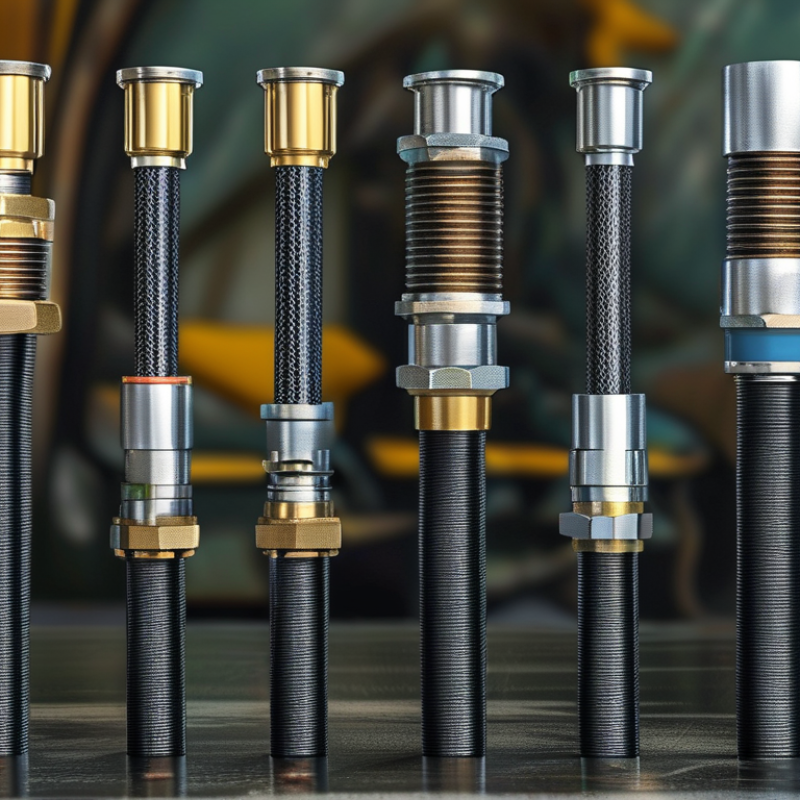
Types of High Pressure Hydraulic Hoses
Pressure and Temperature Ratings: Ensuring Compatibility with Applications
Choosing the right high-pressure hydraulic hose means understanding pressure and temperature ratings. These factors are crucial for compatibility with your specific applications. Each hose type has distinct limits on pressure and temperature. Exceeding these limits could lead to hose failure and severe accidents.
It's vital to check the pressure rating of the hose. This rating indicates the maximum pressure the hose can withstand without bursting. Different applications require different pressure levels. For instance, a hose used in heavy machinery needs a higher rating than one used in smaller equipment. Always keep your operational pressure in mind when selecting.
Temperature ratings are equally significant. High temperatures can weaken the hose material, leading to leaks or breaks. Consider the environment where your hose will operate. Applications involving heat may require specialized hoses. Be aware of how your operational conditions can affect hose durability. Reflect on your current usage and whether adjustments are needed. The right pressure and temperature ratings ensure safety and efficiency in your hydraulic systems.
Safety Standards and Regulations for Hydraulic Hoses in Industry
Hydraulic hoses play a critical role in various industries by transmitting hydraulic power. However, safety standards are paramount. The use of hydraulic hoses is regulated to minimize accidents and enhance performance. Compliance with ISO standards is essential. These standards provide guidelines on burst pressures, material specifications, and testing methods. Industries must adhere to these requirements to ensure that the hoses can handle high pressures safely.
Regular inspections and maintenance of hydraulic hoses are vital. Inspections help identify wear and potential failure points before they cause incidents. Operators should look for signs of abrasion, corrosion, or cracks. Moreover, improper storage and handling can lead to premature wear. It’s crucial to train personnel in best practices. Not every worker may recognize the risks associated with hydraulic hoses.
Environmental factors also affect the performance of hydraulic hoses. Extreme temperatures or exposure to chemicals can degrade the materials. Understanding these influences is necessary when selecting hoses. While regulations are in place, human error often leads to noncompliance. A culture of safety awareness should be fostered in the workplace. Continuous education on safety standards can prevent costly mistakes and, more importantly, accidents.





 Send Inquiry

