How to Choose the Best Hot Rolled Metal for Your Needs?
In the world of construction and manufacturing, choosing the right materials is crucial. Hot Rolled Metal stands out for its versatility and strength. Industry expert, John Anderson, emphasizes, “Selecting the best hot rolled metal can make or break a project.” His insight highlights the importance of understanding your specific needs when selecting hot rolled metal.
Hot Rolled Metal can vary widely in quality and application. Different projects may require distinct grades or finishes. Factors like thickness, alloy composition, and intended use can all impact your decision. While there are standardized options, sometimes you might question the best choice. A minor oversight in selection could lead to costly errors down the line.
It’s essential to evaluate what you truly need. Don't rush the process; take time to consider your project's specifications. An informed choice can prevent future complications. Reflecting on the available options and your requirements will lead to successful outcomes. Ultimately, the right hot rolled metal will enhance your project's durability and efficiency.
Understanding Hot Rolled Metal and Its Properties
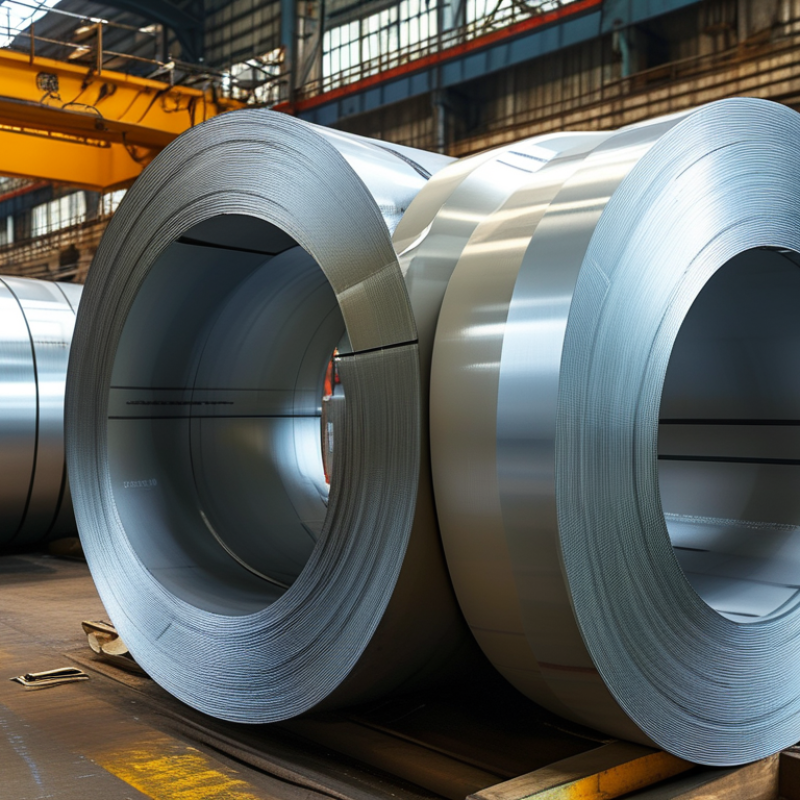
Hot rolled metal is a versatile material widely used in construction and manufacturing. Understanding its properties helps you make informed decisions. The process involves heating metal above its recrystallization temperature, allowing it to be easily shaped and processed. The result is a durable product with a rough surface finish.
When evaluating hot rolled metal, consider factors like strength, hardness, and ductility. According to a report by the American Iron and Steel Institute, hot rolled steel typically exhibits higher strength and lower ductility compared to cold rolled variants. This is crucial if your project requires high tensile strength.
Tips: Always inspect the metal for surface imperfections. Minor flaws can affect performance but may not always be evident. Consult with professionals who understand specific properties and applications. Your choice should align with project requirements for structural integrity and durability.
How to Choose the Best Hot Rolled Metal for Your Needs?
| Metal Type | Thickness (mm) | Yield Strength (MPa) | Applications | Finish |
| Standard Hot Rolled Steel | 3 | 250 | Construction, Infrastructure | Rough |
| High-Strength Low-Alloy (HSLA) | 5 | 350 | Automotive, Structural | Mill Scale |
| Carbon Steel | 6 | 300 | Machinery, Heavy Equipment | Rough |
| Structural Steel | 8 | 400 | Building Framework, Bridges | Painted |
| Stainless Steel | 4 | 200 | Piping, Food Processing | Polished |
Identifying Your Specific Project Requirements
Choosing the right hot rolled metal starts with understanding your project requirements. Different projects demand different properties. Consider the metal’s strength, flexibility, and surface finish. For example, construction projects often require high tensile strength. In contrast, decorative applications may prioritize aesthetic qualities.
Next, think about the environment where the metal will be used. Will it be exposed to moisture or extreme temperatures? Hot rolled metal typically has a rough finish, which may not suit all applications. Assessing these factors helps you avoid costly mistakes.
It's also wise to reflect on your experience with hot rolled metals. Beginners might struggle with specific grades and treatments. Seeking advice or conducting experiments with sample pieces can provide valuable insights. Remember, not all hot rolled metals are created equal. Make informed choices to increase the likelihood of project success.
Comparing Different Types of Hot Rolled Metals
When choosing hot rolled metals, it’s crucial to understand the differences. Various types exist, each suited for specific applications. The most common ones include carbon steel, high-strength steel, and alloy steel. Carbon steel is versatile and often used in construction and manufacturing. It offers good weldability and strength for general purposes.
High-strength steel has greater yields and withstands heavy loads. This makes it suitable for structural applications. It’s often used in bridge construction and heavy machinery. Alloy steel, on the other hand, includes additional elements for enhanced properties. These metals excel in wear resistance and toughness, being ideal for automotive parts and industrial applications.
Understanding your project requirements is essential. Consider factors like strength, ductility, and cost. Also, reflect on the environment where the metal will be used. Some metals perform better under certain conditions. You may discover that what seems ideal might not be. Each type of hot rolled metal has its pros and cons. Taking time to analyze these can lead to better choices.
Comparison of Different Types of Hot Rolled Metals
Evaluating Cost and Availability Factors
When selecting hot rolled metal, evaluating cost and availability factors is crucial. Current market reports suggest that hot rolled steel prices fluctuate widely. For instance, the average price can vary by up to 20% quarterly, due to changes in production capacity and demand. Understanding these price trends helps in budgeting and project planning.
Availability is influenced by global supply chains. Recent disruptions, caused by geopolitical factors, have led to longer lead times. According to industry sources, average delivery times for hot rolled metal have increased by about 15% since last year. This may create challenges for projects requiring stable timelines.
It’s essential to consider local suppliers. They can often provide quicker access to materials. In some regions, hot rolled metal availability may be limited, making it necessary to explore alternatives or adjust project scopes. Always weigh the trade-offs between cost, quality, and delivery speed to find the best solution for your specific needs.
Considering Fabrication and Application Needs
When choosing the best hot rolled metal, it's essential to consider your fabrication and application needs. Hot rolled steel is widely used across various industries, including construction, automotive, and manufacturing. According to a report from the World Steel Association, hot rolled products represent about 40% of the total steel production. This high percentage reflects its versatility and availability.
Different projects demand specific properties from the materials used. For instance, the thickness and surface finish may significantly impact the final product. A study published in the Journal of Materials Science found that surface imperfections can reduce the material's overall strength by up to 15%. Understanding these nuances informs better decisions. Fabricators should assess their welding requirements, forming processes, and the potential for corrosion. The American Institute of Steel Construction emphasizes the importance of selecting the right material to meet safety and durability standards.
It's also worth noting that the transition from hot rolling to cold rolling can lead to differing mechanical properties. While cold rolled steel is stronger and has a smoother finish, hot rolled steel is easier to shape. Evaluating the trade-offs here is crucial. There will always be challenges in sourcing materials that meet both quality and cost requirements. Frequent reviews of fabrication methods and material performance can reveal opportunities for improvement and innovation.




 Send Inquiry

