2026 How to Choose the Best Nylon Cable Drag Chain for Your Needs?
Choosing the right nylon cable drag chain can significantly impact your machinery's performance and maintenance. A quality drag chain ensures efficient cable management and protection. However, with many options available, the selection process can be daunting.
One crucial aspect is understanding your specific application. Not all nylon cable drag chains are designed the same. Factors like size, load capacity, and environmental conditions matter. You may find that what works for one machine fails in another. Take time to research different types and their specifications.
Another consideration is installation and flexibility. Ensure that the chosen drag chain can accommodate movement without kinking or binding. Mistakes in selecting the wrong type can lead to costly downtime. It’s worth reflecting on previous choices to avoid repeating past errors. Balancing these factors will guide you in choosing the best nylon cable drag chain for your needs.
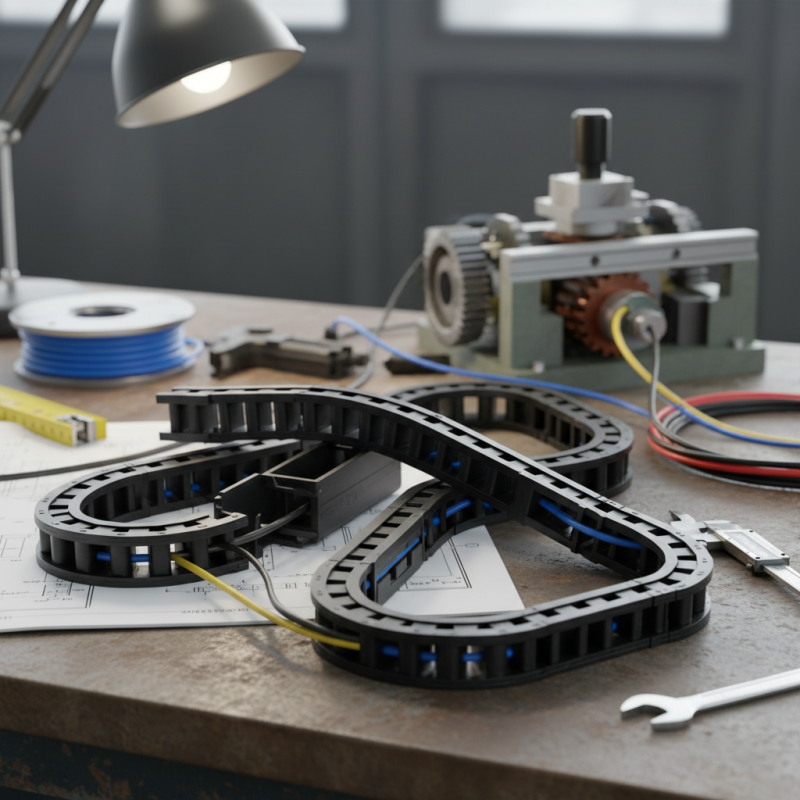
Understanding Nylon Cable Drag Chains: An Overview
Nylon cable drag chains are essential in various industries. They protect cables and hoses from wear and tear during dynamic motion. Understanding their structure and features helps in selecting the right one.
Nylon drag chains come in different designs and sizes. They can be open or closed, flexible or rigid. Each has specific benefits depending on your application. When choosing, consider factors like cable type and the environment. The right choice minimizes damage and maintenance.
Tips: Measure the length and radius of your application area. This aids in selecting a drag chain that fits. Always evaluate the temperature and moisture levels where the chain will operate. Choosing a drag chain that can withstand these conditions is crucial.
Remember, not all nylon drag chains are the same. They may vary in flexibility and durability. Reflect on your needs to make informed decisions. A poorly chosen drag chain can lead to expensive repairs and downtime.
Key Factors to Consider When Selecting Nylon Cable Drag Chains
Choosing the right nylon cable drag chain is crucial for the efficiency of your machinery. You should consider several key factors that directly impact performance and durability. For instance, the chain's load capacity is vital. It affects how much weight your cables can bear without risking failure. Overloading can lead to premature wear or catastrophic failures.
Material quality is another essential aspect. High-grade nylon offers improved resistance to chemicals and abrasion. This makes it more suitable for harsh environments. Also, check the temperature range. Some chains perform poorly under extreme conditions.
Consider the design of the drag chain as well. A well-designed chain should promote smooth cable movement. Poor design can lead to friction and increased wear. Pay attention to flexibility; it determines how well the chain can maneuver around bends and turns. Lastly, reflect on your needs. What works for one application may not suit another. Take the time to evaluate these factors for a more tailored solution.
Comparing Different Types of Nylon Cable Drag Chains
When selecting a nylon cable drag chain, understanding the types available is crucial. Nylon drag chains come in various styles and configurations. There are open types for easier access and enclosed types for added protection. The right choice hinges on your specific application needs, including the environment and equipment layout.
Consider the load capacity of each type. Some chains can handle heavier loads, while others excel in flexibility. Durability is another factor; high-quality nylon resist wear and tear better than standard varieties. Be mindful of the installation space as well. Smaller spaces might require compact designs.
**Tips:** Always check the cable compatibility with the drag chain’s dimensions. Look for chains with smooth edges to reduce friction. Remember to assess the environment: exposure to chemicals or harsh conditions can influence performance.
2026 How to Choose the Best Nylon Cable Drag Chain for Your Needs? - Comparing Different Types of Nylon Cable Drag Chains
| Type of Nylon Cable Drag Chain | Load Capacity (kg) | Max Length (m) | Bending Radius (mm) | Temperature Range (°C) | Special Features |
| Standard Nylon Drag Chain | 50 | 5 | 50 | -20 to 80 | Standard design for moderate environments |
| Heavy Duty Nylon Drag Chain | 100 | 10 | 75 | -30 to 100 | Enhanced load capacity and durability |
| Low Noise Nylon Drag Chain | 40 | 6 | 50 | -20 to 70 | Designed for quiet operation in sensitive environments |
| Chemical Resistant Nylon Drag Chain | 60 | 8 | 60 | -20 to 90 | Resistant to various chemicals and oils |
| Lightweight Nylon Drag Chain | 30 | 4 | 40 | -10 to 60 | Ideal for lightweight applications with minimal requirements |
Assessing Durability and Flexibility in Drag Chain Selection
Choosing the right nylon cable drag chain is crucial for your needs. Assessing durability and flexibility is a key part of this process. Durability often relates to the materials used. Nylon, known for its resilience, offers strong protection against wear and tear. When operating in harsh environments, selecting a chain that can withstand high temperatures or potential impacts is essential.
Flexibility is another critical factor. A flexible drag chain can accommodate movement and bending without breaking. This is especially important in dynamic applications. You might find that some chains perform well in static positions but fail when in motion. Testing the chain’s flexibility in realistic scenarios can save time and costs down the line.
Don’t overlook the chain’s ability to hold various cables or hoses. Some chains are designed to handle multiple sizes and weights. This versatility can be beneficial. However, it can also complicate the decision if not properly matched to your specific requirements. Take time to reflect on your operational environment and future needs. This thoughtful approach will lead to better long-term results.
Identifying Application-Specific Requirements for Drag Chains
When selecting a nylon cable drag chain, it’s critical to consider the specific requirements of your application. The drag chain must accommodate the type of cables and hoses you will use. For instance, larger cables may require wider chains, while high-flex applications might need chains that have increased flexibility. According to industry data, approximately 70% of drag chain failures are linked to incompatibility with the intended application.
Another important factor is the environment where the drag chain will operate. Factors such as temperature, exposure to chemicals, and the presence of contaminants can affect material choice. Research indicates that around 80% of operators overlook these environmental variables, leading to premature wear and reduced performance. Choosing the right nylon blend for your drag chain is crucial. Non-standard environments may demand custom solutions, which could inadvertently increase costs and complexity.
Durability and maintenance should also be part of your considerations. A well-designed drag chain should exhibit resilience against abrasion and fatigue. Experts recommend conducting a thorough analysis of potential wear points. This often uncovers overlooked aspects that could manifest as operational inefficiencies. Evaluating these specific needs can significantly enhance the longevity and performance of drag chains in your applications.



 Send Inquiry

