How to Choose Precision Granite Measuring Plates for Your Needs?
Choosing the right precision granite measuring plates is crucial for achieving optimal measurement accuracy. These plates serve as a stable base for various machining and inspection tasks. When selecting a precision granite measuring plate, consider your specific needs. The type of work you do can affect the size and thickness required.
Granite's inherent properties enhance reliability. It resists wear and minimizes distortion under load. However, even high-quality plates can have imperfections. Assessing the flatness and surface finish is essential for ensuring performance. You should also evaluate the mounting options, as some plates come with T-slots for added versatility.
In this guide, we will explore key factors that influence your choice. By understanding these elements, you can find the precision granite measuring plates that meet your demands. Balancing quality and cost is essential for sustaining long-term use. Remember, the right choice not only improves accuracy but also affects productivity.
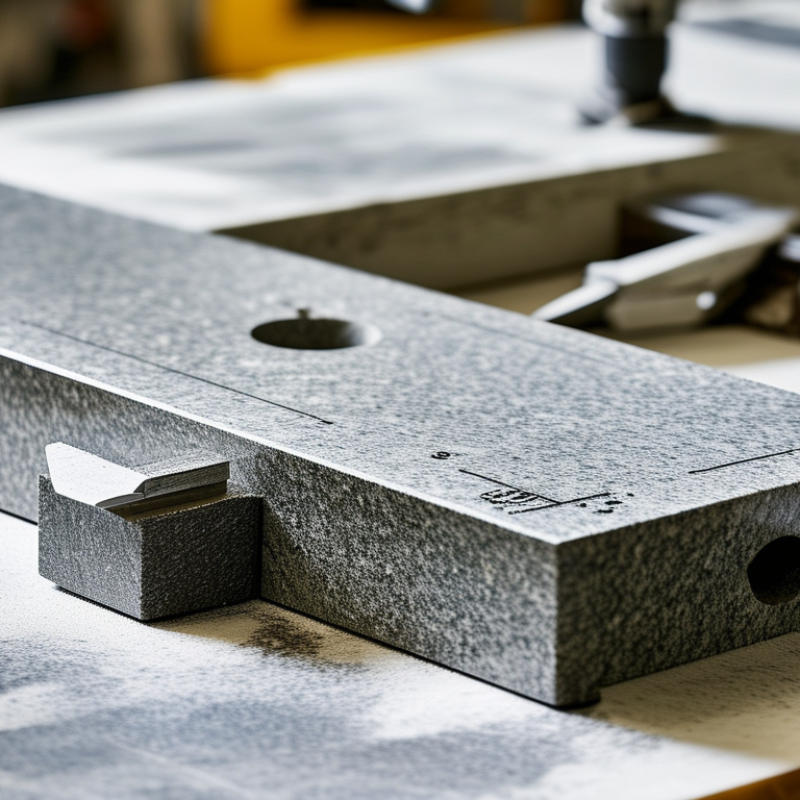
Factors to Consider When Selecting Precision Granite Measuring Plates
Choosing the right precision granite measuring plate involves several important factors. First, consider the accuracy required for your specific application. Precision can vary, so understanding your work's tolerances is crucial. A 0.0001-inch tolerance may suit some tasks, while others might need 0.001 inches.
Next, assess the size and weight of the granite plate. Larger plates provide more surface area but also require space and support. Think about how you’ll move and store them. For example, a heavy plate might need a dedicated workstation. However, smaller plates are easier to handle, yet they may limit expansive projects.
Material quality significantly impacts durability. Look for plates made from high-quality granite that resists wear over time. Imperfections can arise during production, so inspect for any flaws. Consider the environmental conditions of your workspace too. Moisture and temperature fluctuations can affect granite's stability, so ensure proper storage. Reflecting on these factors can help streamline your selection process and ultimately improve your work’s precision.
Types of Granite Measuring Plates and Their Applications
When selecting granite measuring plates, understanding the different types is crucial. Each type serves specific applications in measuring and quality control processes. A lightweight granite plate is ideal for portable setups, allowing flexibility in various workspaces. On the other hand, heavy-duty plates offer stability and are perfect for large-scale industrial use.
Consider the flatness and surface finish of the plates. A high degree of flatness ensures precise measurements. For instance, plates used in aerospace engineering require exceptional precision. Meanwhile, those used in mechanical assemblies can tolerate slight variations. Selecting the right plate involves knowing these details.
Tips for choosing wisely: Always check the specifications to match your application. Regular inspection of your measuring plates is vital for maintaining accuracy. Another point to reflect on is that some plates may chip or wear over time, impacting performance. Balancing cost with quality is never straightforward, but it's necessary for long-term reliability in your measuring tasks.
Understanding Granite Material Properties for Precision Measurement
When selecting granite measuring plates, understanding the material's properties is crucial for precision measurement. Granite is a dense and hard stone, renowned for its dimensional stability. Its low thermal expansion ensures measurements remain accurate, even with temperature fluctuations. Granite’s surface is durable and resistant to scratches, making it an excellent choice for demanding environments.
Tips: Consider the thickness of your granite plate. Thicker plates provide better stability and minimize warping. Check for flatness using a reliable calibration tool to ensure optimal precision.
Granite's natural color variations allow for easier visual identification of damage. This can be a challenge; not all variations are evident to the untrained eye. Inspect the surface regularly for signs of wear or degradation. Ensure the finish is non-reflective to reduce glare during measurements.
Furthermore, consider the weight of the granite plate. Heavier plates can be cumbersome but offer superior stability. Balancing weight with portability can be tricky. Always think about your workspace and ease of transport when making a choice.
Key Features of High-Quality Granite Measuring Plates
When selecting granite measuring plates, it’s essential to weigh key features that ensure accuracy and reliability. A high-quality granite plate should have a smooth surface free from imperfections. This smoothness enhances measurement precision and extends the plate's lifespan. Maintaining such surfaces can be a challenge. Regular care is needed to prevent scratches or chips.
Additionally, flatness is crucial. A measuring plate must adhere to strict flatness specifications for accurate readings. An initial inspection might reveal minor warps that could lead to measurement errors. Users should be aware of this and verify flatness consistently. The dimension stability of granite is another vital aspect. Environmental factors, like temperature changes, can affect the granite's performance.
Moreover, consider the thickness of the plate. Thicker plates generally provide more stability. However, they may be heavier, making movement a bit cumbersome. Balancing weight and durability requires careful thought. Most often, users have to adapt designs to optimize both features. A well-rounded approach leads to effective use of granite measuring plates in various applications.
Best Practices for Maintaining Your Granite Measuring Plates
Maintaining granite measuring plates requires attention to detail. Regular cleaning is essential. Use a soft cloth to remove dust and debris. Avoid harsh chemicals that can damage the surface. A simple mixture of water and mild soap works well. Ensure the plates are stored flat to prevent warping over time.
Frequent calibration is crucial for accurate measurements. Check the plates against known standards. This practice helps identify any wear or damage. Minor chips may not seem significant, but they can affect precision. Inspect regularly under good lighting. If you notice any issues, consider professional refurbishing.
Humidity can also impact the integrity of granite. Store measuring plates in controlled environments. Excessive moisture can lead to unevenness. Using desiccants can help maintain optimal conditions. Reflecting on these practices is important. Even seasoned professionals can overlook small details. Consistency in maintenance ensures longevity and reliability.
Granite Measuring Plates Usage by Industry




 Send Inquiry

