Why Choose a Vibration Measuring Device for Accurate Analysis?
In today's industrial landscape, precision is paramount. A Vibration Measuring Device stands out as an essential tool for accurate analysis. Understanding vibrations can reveal much about machinery health. Unaddressed vibrations often lead to costly failures and downtime. The need for reliable data has never been greater.
Choosing the right device is crucial for effective monitoring. Various models offer unique features tailored to specific environments. Each device should be evaluated based on its measurement range, sensitivity, and ease of use. A Vibration Measuring Device with advanced algorithms can provide more accurate readings, reducing potential errors.
However, users must understand their limitations. Not all conditions are monitored effectively. Calibration errors or environmental interference can skew results. Considerations like equipment setup and user expertise also play a significant role. Regular training and maintenance ensure the device remains effective. Ultimately, incorporating a Vibration Measuring Device into your routine fosters better decision-making and prevents unforeseen breakdowns.
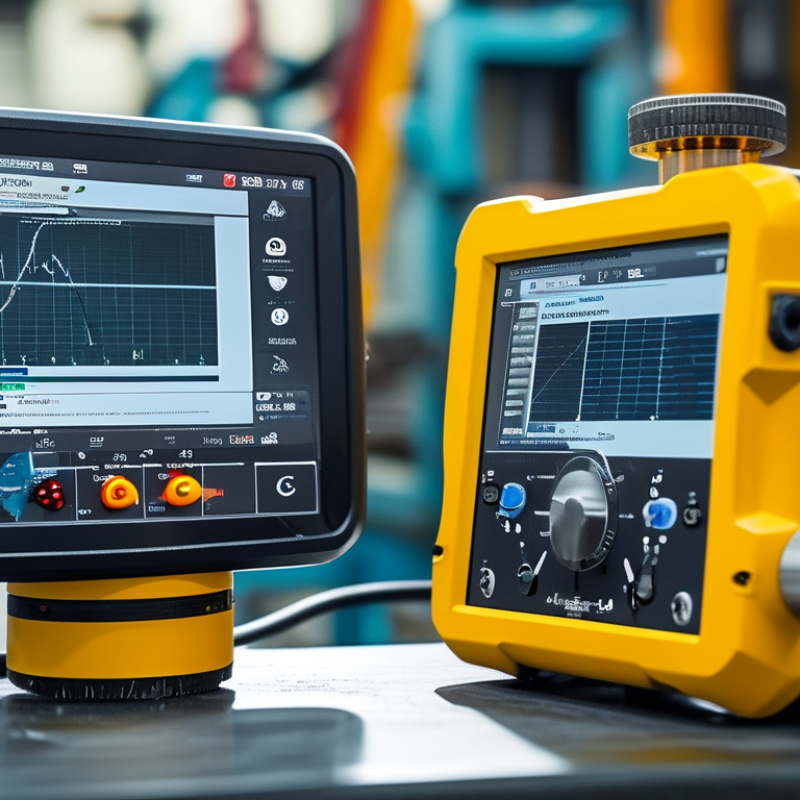
Vibration Measuring Devices: An Overview of Their Importance in Industry
Vibration measuring devices play a crucial role in various industries. Their primary function is to monitor vibration levels in machinery, leading to early detection of potential failures. According to a report from the US Bureau of Labor Statistics, machinery failures account for nearly 40% of all downtime in manufacturing. This is a staggering number, highlighting the importance of accurate vibration analysis.
Detecting vibrations allows for predictive maintenance, which can save companies significant costs. A study by the National Institute of Standards and Technology indicates that predictive maintenance can reduce maintenance costs by up to 30% and increase equipment availability by 20%. That’s a tangible benefit for organizations aiming for efficiency.
Tip: Regularly calibrate your vibration measuring device to ensure accuracy. Accurate readings are crucial for effective monitoring.
Not all vibration measuring devices are created equal. Some may not capture low-frequency vibrations critical for certain machines. Businesses must evaluate their needs thoroughly. A misstep could lead to inaccurate data and potential operational failure.
Tip: Invest in training personnel to interpret vibration data effectively. Understanding this data can prevent costly downtime.
Key Parameters for Accurate Vibration Analysis: Frequency, Amplitude, and Phase
Accurate vibration analysis is vital in many industries. Understanding three critical parameters can enhance this analysis: frequency, amplitude, and phase. Each parameter provides unique insights into equipment performance.
Frequency refers to the rate of vibration cycles. It helps identify potential issues like imbalances or misalignments. A measurement taken at the wrong frequency can lead to misleading results. Therefore, choosing the right frequency is essential for accurate diagnosis.
Amplitude measures the intensity of vibration. High amplitude signals may indicate underlying problems. However, a high reading does not always mean failure. Environmental factors can influence these numbers, leading to confusion.
Phase indicates the timing relationship of the vibrations. Analyzing phase shifts can uncover problems not detected by frequency or amplitude alone. However, phase measurements can be complex. Misinterpretation may result in incorrect assessments. Continuous learning and experience are crucial here. Collecting data systematically helps build a clearer picture.
Industry Applications of Vibration Measurement: Manufacturing to Aerospace
Vibration measurement plays a crucial role across various industries, from manufacturing to aerospace. In manufacturing, precise vibration analysis can detect equipment failures before they escalate. According to a report by the Global Industry Analysts, predictive maintenance using vibration monitoring can reduce repairs by up to 30%. This statistic highlights the significance of early detection in minimizing downtime.
In the aerospace sector, vibration measurements ensure safety and reliability. Regular analysis of aircraft components helps maintain peak performance and compliance with safety regulations. Data from the FAA shows that proper vibration analysis can lead to a 15% reduction in maintenance costs for commercial airlines. This emphasizes the need for effective measurement strategies in high-stakes applications.
Tips: Always calibrate your measuring device regularly. Consistent calibration increases accuracy in readings. Also, use multiple sensors to gather comprehensive data. This approach provides a more holistic view of the equipment's health, enhancing the reliability of your analysis.
Why Choose a Vibration Measuring Device for Accurate Analysis? - Industry Applications of Vibration Measurement: Manufacturing to Aerospace
| Industry | Application | Measurement Technique | Benefits |
| Manufacturing | Machinery Maintenance | Accelerometers | Prevent downtimes, enhance performance |
| Aerospace | Structural Health Monitoring | Laser Doppler Vibrometry | Ensure safety, verify design integrity |
| Automotive | Quality Control | Modal Analysis | Increase reliability, reduce defects |
| Construction | Foundation Monitoring | Geophones | Early anomaly detection, project safety |
| Energy | Wind Turbine Analysis | Vibration Sensors | Maximize efficiency, prolong lifespan |
Impact of Vibration Analysis on Equipment Maintenance and Longevity
Vibration analysis plays a crucial role in equipment maintenance. Regular monitoring can reveal early signs of wear and tear. By detecting unusual vibrations, operators can address issues before they escalate. This proactive approach saves time and resources. Machines that are well-maintained last longer and operate more efficiently.
Implementing vibration measuring devices helps identify the root causes of problems. It provides insights into alignment, balance, and structural integrity. These insights contribute to a deeper understanding of equipment health. However, relying solely on technology may lead to oversight. Human expertise is essential for interpreting data accurately.
Maintenance strategies should evolve based on vibration analysis findings. Sometimes, unexpected results may surface. For instance, a machine might vibrate within standard limits but still fail prematurely. This indicates that continuous learning and adaptation are vital. A combined approach of technology and skilled personnel fosters a culture of reliability and performance.
Emerging Technologies in Vibration Measurement: Digital Solutions and Sensors
Emerging technologies in vibration measurement offer significant advancements in accuracy and efficiency. Digital solutions and sensors have transformed traditional methods. These innovations provide real-time data, enabling precise analysis of equipment conditions. The integration of advanced algorithms enhances the ability to detect subtle vibrational changes.
Tips: When selecting a vibration measuring device, consider the environment. Factors like temperature and humidity can affect readings. Opt for devices designed for specific industrial conditions to ensure reliability.
Furthermore, sensors now utilize wireless technology for seamless data transmission. This feature simplifies monitoring across various locations. Users can access information from mobile devices, making it convenient for on-the-go analysis. However, it’s essential to ensure strong signal integrity for accurate data collection.
Tips: Regular maintenance of sensors is crucial. Dust or damage can hinder performance. Performing routine checks can preempt potential errors. Always review data trends to identify anomalies that may indicate equipment issues.
Vibration Measurement Technologies: A Comparative Analysis




 Send Inquiry

