How to Choose the Best Sandblast Rubber Hose for Your Needs?
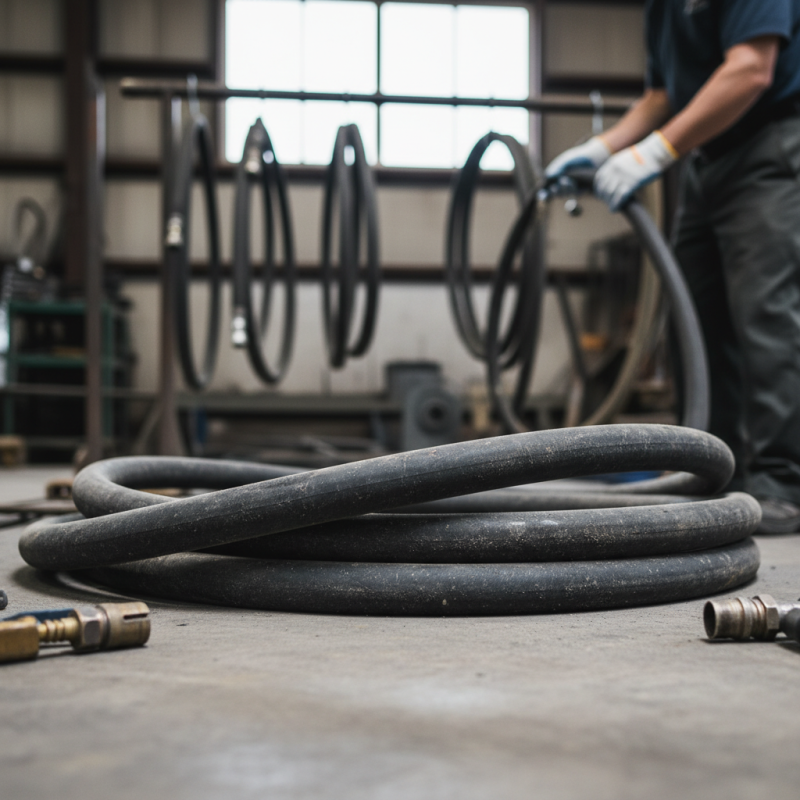
Choosing the right Sandblast rubber hose is crucial for effective blasting. A good hose can enhance performance and safety in your projects. It must withstand abrasive materials and high pressure.
When selecting a sandblast rubber hose, consider the diameter and length you need. The right size ensures optimal airflow and minimizes pressure loss. Pay attention to the hose's flexibility and durability. A rigid hose can hinder movement, while a flexible one may wear out quickly.
Finding the best sandblast rubber hose can be challenging. There are many options available, each with unique features. You might end up confused or make a poor choice. Reflect on your specific needs and usage scenarios. This will help you avoid costly mistakes.
Understanding Sandblast Rubber Hoses: Essential Features to Consider
When selecting a sandblast rubber hose, understanding its essential features is crucial. Look for a hose with a sturdy construction. This provides durability and helps withstand high pressure. It's also vital to choose a hose that can handle varying temperatures. If you often use it in extreme conditions, this becomes even more relevant.
Tips: Check the hose's length and diameter. Ensure it fits your compressor and projects. A mismatched size can lead to inefficiency. Always consider the compatibility of the hose with your blasting material. Some materials can wear down the hose quicker than others.
Keep an eye out for the hose's flexibility as well. A less flexible hose may become challenging to use in confined spaces. It could cause strain on your equipment. Don’t overlook the weight; a heavy hose can be cumbersome during long use. Think about whether you often have to move around a lot while working. This can impact your choice.
Remember, a suitable hose significantly affects your project’s outcome. Investing time in research is beneficial. It's easy to get swayed by flashy features, but practicality matters most. Always reflect on your specific needs before making a decision.
Determining the Right Diameter and Length for Your Sandblast Hose
Choosing the right diameter and length for your sandblast hose can greatly impact your project. The diameter affects the flow of abrasive materials. A larger diameter allows for higher flow rates. However, an overly large hose can be cumbersome and hard to handle.
When determining length, consider your workspace. A longer hose offers flexibility but can introduce pressure drops. It’s essential to balance convenience with performance. A good rule is to pick a length that covers your needs without excess. Too much length can result in unnecessary abrasion.
**Tips:** Measure your workspace first. Assess the distance between the air source and blasting area. Ensure the diameter fits your nozzle size. Too small can lead to blockages, while too large can make handling a hassle. Always think about the weight and flexibility of the hose. A heavy hose can strain your arms and slow you down.
Evaluating Material Durability and Flexibility for Sandblast Hoses
Choosing the right sandblast rubber hose involves several factors. Durability and flexibility are crucial. A hose that can withstand harsh materials while maintaining flexibility is essential for optimal performance. Look for hoses made of high-quality rubber compounds. This ensures they can handle the high pressure and abrasive materials typical in sandblasting.
When evaluating durability, consider the thickness of the hose walls. Thicker walls often mean better resistance to wear and tear. However, don't overlook flexibility. A hose that is too stiff can lead to difficulties during maneuvering. You need a balance. Testing the hose in different conditions can help identify weaknesses.
Pay attention to the operational environment as well. Extreme temperatures or chemical exposure can affect hose longevity. Not all hoses are designed for every situation. By reflecting on these aspects, you can make a more informed choice. If a hose feels too rigid, it may not be the best option. Also, consider feedback from users about their experiences with certain types. This real-world insight can highlight potential issues.
How to Choose the Best Sandblast Rubber Hose for Your Needs?
| Material | Durability (Hours) | Flexibility (°C) | Max Pressure (psi) | Weight (lbs per ft) |
| Natural Rubber | 500 | -30 to 70 | 150 | 1.2 |
| Synthetic Rubber | 750 | -40 to 80 | 200 | 1.0 |
| Neoprene | 600 | -10 to 85 | 175 | 1.3 |
| EPDM | 650 | -30 to 120 | 180 | 1.1 |
| PVC | 550 | 0 to 60 | 120 | 1.4 |
Identifying Suitable Pressure Ratings for Different Applications
When selecting a sandblast rubber hose, understanding pressure ratings is crucial. Different applications require specific pressure levels for optimal performance. According to industry reports, most sandblasting operations function effectively between 90 to 120 PSI. Anything outside this range could compromise both effectiveness and safety.
Choosing the correct pressure rating is not as straightforward as it seems. A hose rated for 100 PSI can wear out quickly if used at 150 PSI. This overpressure can lead to hose failure, posing significant risks. It’s essential to regularly inspect hoses for signs of wear, especially at connection points. Small cracks can signal potential failure during use.
Moreover, environmental factors play a role in hose longevity. For example, extreme temperatures can alter a hose’s pressure rating. Reports indicate that exposure to temperatures above 200°F can degrade materials faster. Adjusting your application methods or changing your hose specifications could be necessary to extend its life. Always consider these factors before making a selection.
Comparing Costs and Brands to Find the Best Value Sandblast Hose
When selecting a sandblast rubber hose, understanding costs and brands is crucial. Industry studies indicate that quality hoses can range between $2 to $5 per foot. These costs vary depending on the material, durability, and hose diameter. Many buyers overlook these factors, leading to costly mistakes. Choosing a hose that doesn’t match your needs can add expenses in the long run.
While comparing brands, it’s essential to consider the specifications of each hose. For example, a thicker wall may mean better abrasion resistance but could also increase costs. Some hoses may offer lower upfront costs yet lack the durability needed for heavy-duty applications. This trade-off can lead to more frequent replacements, causing overall expenses to increase.
Tip: Measure the required length of your hose carefully. An overly short hose might lead to compromised work efficiency. Keep an eye out for user reviews, as they highlight real experiences and potential issues. Ensure your choice aligns with your needs to avoid future regrets.



 Send Inquiry

