How to Choose the Best LED Lightbar for Your Needs?
Choosing the right Led Lightbar can be overwhelming. With numerous options available, selecting one that fits your needs is essential. LED Lightbars vary in size, brightness, and features. A well-chosen lightbar enhances visibility, safety, and aesthetics.
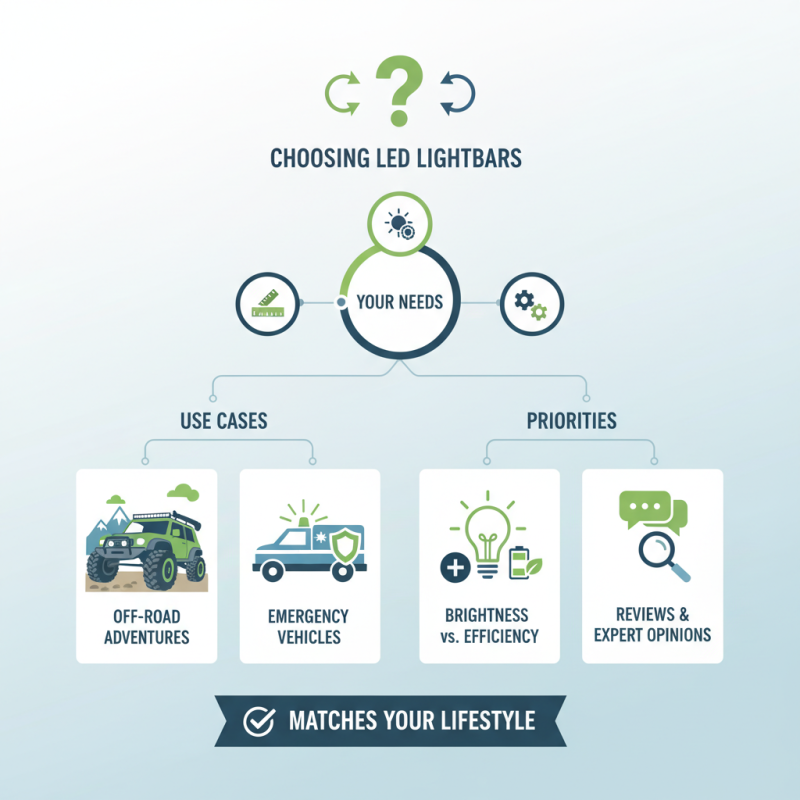
When considering an LED Lightbar, think about your specific needs. For off-road adventures, a robust lightbar is vital. For emergency vehicles, brightness and reliability are crucial. Each use case demands different specifications. Research is key. Knowing the types of LED Lightbars can simplify your decision.
Reflecting on your personal requirements is important. Are you prioritizing brightness or energy efficiency? The perfect choice is subjective. Trustworthy reviews and expert opinions can guide you. Ultimately, it’s about finding an LED Lightbar that matches your lifestyle and preferences.
Understanding the Different Types of LED Lightbars and Their Uses
When selecting an LED lightbar, understanding the different types is crucial. There are several categories of LED lightbars. Each type serves a specific purpose, from off-road to emergency use. Off-road lightbars are designed for tough terrain, providing bright illumination. They often come in various lengths. Emergency lightbars, on the other hand, are used by law enforcement and safety vehicles. They typically feature flashing patterns to alert others.
Tips: Consider the intensity and type of light. A higher lumen count means brighter light. However, too bright can lead to glare. Additionally, think about mounting options. Some models require specific mounts for proper placement. Ensure compatibility with your vehicle.
Different types of lightbars also vary in design and durability. Some are waterproof, making them suitable for harsh weather. Think about where you'll be using the lightbar most. A durable option is essential for off-road adventures. Conversely, a more streamlined design may suffice for urban use. Reflect on your needs and environment before making a choice.
Key Specifications to Consider When Choosing an LED Lightbar
When choosing an LED lightbar, key specifications are crucial. Start with the brightness level, measured in lumens. More lumens mean a brighter light, which is vital for visibility. For off-road use, brightness can enhance safety during night-time driving. A lightbar with adjustable brightness levels offers flexibility for various conditions.
Next, consider the beam pattern. Some lightbars provide a wide beam for close-range visibility, while others focus light into a tight beam for long-distance illumination. This choice depends on your specific needs. Look for features like flood and spot combinations for versatile usage.
Durability is another important aspect. Many lightbars are rated for waterproof and dustproof performance. This ensures longevity in harsh environments. Check the material quality; sturdy construction can resist impacts. Installing a well-rated lightbar improves your driving experience, yet it's vital to ensure proper installation. Misalignment can reduce performance. Always reflect on your needs before making a final decision.
LED Lightbar Specifications Comparison
Comparative Overview of LED Lightbar Brightness and Wattage Ratings
When selecting an LED lightbar, understanding brightness and wattage is crucial. Brightness is typically measured in lumens. According to industry standards, a good lightbar can range from 1,000 to 30,000 lumens. Higher brightness means better visibility, especially in low-light conditions. However, users must consider the balance between brightness and battery consumption. For instance, a 10,000-lumen lightbar may drain power faster than a 5,000-lumen one, which could pose issues during prolonged use.
Wattage ratings also play a significant role. Most lightbars operate between 30 to 300 watts. A higher wattage often signifies more power and, consequently, potentially higher brightness. However, this can lead to overheating if not properly managed. Some reports indicate that excessive wattage can reduce the lifespan of the lightbar.
Users should also consider beam patterns. Spot beams project light over long distances, while flood beams illuminate wider areas. Each has its advantages, depending on your purpose. For example, a spot beam may be perfect for off-road driving, while a flood beam could be better for working in dark environments. These details require reflection and consideration to meet unique needs effectively.
Assessing Beam Patterns: Flood vs. Spot vs. Combination Lightbars
When selecting an LED lightbar, evaluating beam patterns is vital. Three dominant types exist: flood, spot, and combination lightbars. Flood lightbars offer a wide beam spread. They illuminate expansive areas, enhancing visibility during off-road adventures or job sites. Spot lightbars, on the other hand, create a focused beam. This type penetrates deep into the distance. They are ideal for high-speed driving or seeing hazards earlier.
Combination lightbars merge both flood and spot capabilities. This versatility caters to various driving conditions. Data from the American Automobile Association indicates that optimal visibility can reduce nighttime accidents by 30%. Having the right beam pattern ensures safety. It's essential to align your choice with your typical driving environment.
Tips: Assess your primary driving scenarios. If navigating tight trails, a flood pattern may be beneficial. For highway travel, lean towards spot lightbars for better distance visibility. Regularly inspect lightbar alignment to maintain peak performance. Ignoring this can lead to inefficient lighting and decreased safety.
How to Choose the Best LED Lightbar for Your Needs?
| Beam Pattern | Best For | Distance | Width of Light | Ideal Use Cases |
| Flood | Wider Area Coverage | Close to Medium Range | Broad Light Spread | Off-Roading, Work Sites |
| Spot | Long Distance Visibility | Long Range | Narrow Beam | Highway Driving, Search & Rescue |
| Combination | Versatile Performance | Medium to Long Range | Balanced Spread | General Use, Emergency Services |
Evaluating Durability and Weather Resistance in LED Lightbar Options
When selecting an LED lightbar, durability and weather resistance are crucial factors. These features ensure your investment withstands harsh conditions. Look for materials like aluminum or polycarbonate. These materials resist corrosion and impact. They can tolerate extreme temperatures and moisture.
Consider the IP rating as well. An IP rating of 65 or higher indicates strong protection against dust and water. This means your lightbar can function well during rain, snow, or severe winds.
Don’t overlook the mounting system. A secure, durable mount reduces vibration impact. This prolongs the lightbar’s life. You may face challenges if the mounting is flimsy. Regular checks on the lightbar's condition can help avoid issues. Observing wear and tear is essential for optimal performance.
Reliable lightbars deliver the brightest illumination when you need it the most. Choose wisely, and keep these considerations in mind.



 Send Inquiry

