
GST : 27AAFFV7667M1ZA

call images

Call us

08045801431

How to Choose the Best Rebar Bending Machine?

Choosing the right Rebar Bending Machine affects production speed, bend accuracy, worker safety, and long-term maintenance costs. A machine may look powerful in a showroom, yet perform poorly with your actual bar sizes, steel grades, or daily workload. The best choice begins with practical questions: What diameters will you bend? How many bends are required each shift? Will the machine work indoors, outdoors, or on changing construction sites?

In real workshops, small details often decide performance. Check the bending table, motor power, control system, emergency stop, and replacement-part availability. Confirm the machine’s maximum capacity through manufacturer specifications, not sales claims alone. A reliable supplier should provide operating instructions, technical support, warranty terms, and training for operators. Qualified technicians can also help verify installation, electrical requirements, and routine inspection procedures.

Accuracy matters.

A machine that produces inconsistent angles can waste steel and delay installation. Manual models may suit lighter production, while automatic or CNC equipment can improve repeatability for larger projects. However, advanced controls do not remove the need for skilled supervision. Operators still need to inspect bar placement, tooling wear, and unusual vibration. I have seen purchasing decisions focus too heavily on speed, while maintenance access receives little attention. That mistake can become expensive later.

This guide explains how to compare capacity, precision, safety features, durability, controls, and total ownership cost. It also highlights practical questions to ask before purchasing. No single machine fits every project. Careful evaluation does.
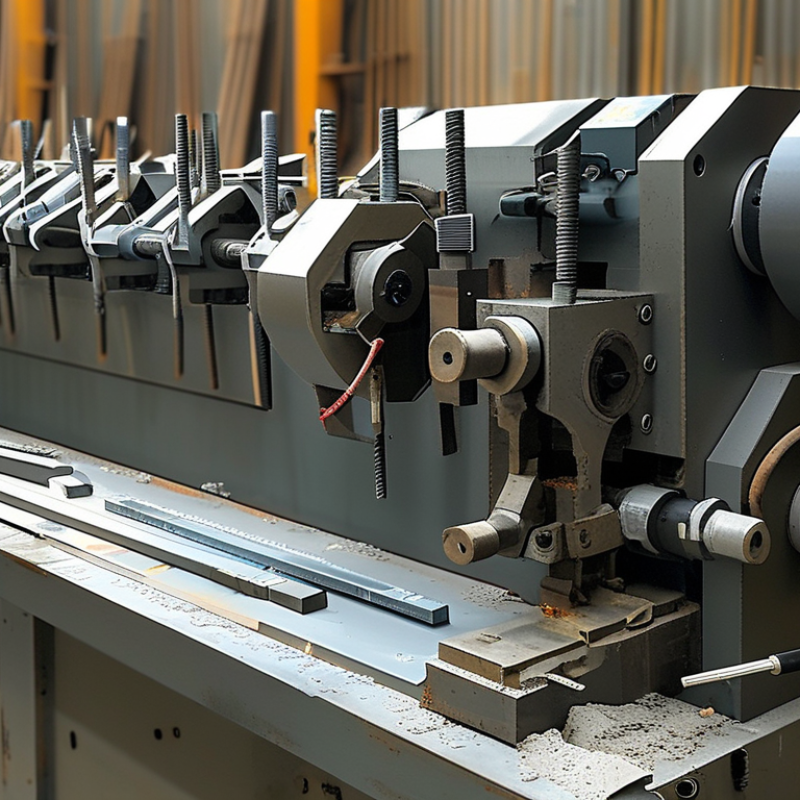
How to Choose the Best Rebar Bending Machine?

Understanding Rebar Bending Machines and Their Main Functions

How to Choose the Best Rebar Bending Machine?

A rebar bending machine changes straight steel bars into precise angles, hooks, and stirrups. Its central function is controlled bending, not cutting or random shaping. Most machines use an electric motor, gearbox, bending disc, and adjustable pins. These parts transfer torque while limiting bar movement. In practical workshops, operators commonly bend foundation bars, columns, beams, and circular reinforcement cages.

The correct machine depends on bar diameter, steel grade, bending radius, and daily workload. A compact unit may suit light construction work. Heavy structural projects need greater torque and stronger frames.

Look closely at the control system. A clear panel should allow angle selection and repeatable settings. Some machines store common bending programs, which reduces measuring errors. Check whether the disc supports the required bar size and shape. Overloading the machine can damage gears and create dangerous recoil. Safety guards, emergency stops, stable feet, and accessible maintenance points deserve equal attention. They are not decorative features. They protect people and reduce downtime. Follow the manufacturer’s operating limits and applicable local safety requirements.

Accuracy also depends on calibration and operator habits. Measure the first bend with a reliable gauge before repeating the batch. A few degrees can affect cage alignment.

I have seen workers trust a preset angle without checking steel springback. That assumption was costly. Steel behaves differently.

Choose equipment with available technical documentation, replacement parts, and service support. Ask about lubrication intervals and electrical protection. The cheapest machine may become expensive when calibration drifts or repairs are delayed. No machine is perfect. Good selection leaves room for inspection, training, and honest review of actual site conditions.

Assessing Rebar Specifications, Bending Angles, and Production Requirements

Choosing the best rebar bending machine starts with the steel, not the machine’s advertised speed. Record bar diameter, grade, rib pattern, and required bend diameter. A machine handling 16 mm bar may struggle with 25 mm bar under the same settings. Measure twice.

Bending angles also deserve careful attention. List every required shape, including 90-degree hooks, 135-degree links, and repeated offsets. Confirm the machine can maintain these angles without excessive springback. Springback varies with steel grade, diameter, and bend radius. Small errors matter. On a busy site, a two-degree deviation can affect fit, spacing, and concrete cover. Use verified test bends before approving full production. Keep samples for comparison.

Production requirements determine whether flexibility or output matters more. A workshop making occasional custom cages may need simple controls and quick setup. A fabrication yard producing thousands of identical stirrups needs programmable sequences, stable feeding, and reliable cycle times. Check daily volume, batch size, available floor space, power supply, and operator skill. Safety guards and accessible emergency controls should also be assessed.

From practical evaluations, I have found that theoretical capacity can mislead. A machine rated for a certain diameter may perform poorly with dense ribbed steel or repeated sharp bends. That assumption failed. Ask for trials using your actual bar specifications and preferred angles. Review bend consistency, noise, handling effort, and maintenance access. The cheapest purchase is not always the lowest-cost process. A slower machine may create less scrap, while an advanced model may remain underused. Use measured production data, not optimistic estimates.

How to Choose the Best Rebar Bending Machine? - Assessing Rebar Specifications, Bending Angles, and Production Requirements
Application Profile Typical Rebar Diameter Common Steel Grade Typical Bending Angles Required Output Recommended Machine Class Key Selection Considerations
Light fabrication and small construction projects 6–12 mm Low- to medium-strength reinforcing steel 45°, 90°, 135°, and 180° Up to 500 bends per hour Compact electric bending machine Prioritize portability, simple angle adjustment, low power consumption, and compatibility with single-bar processing.
Residential and commercial building reinforcement 8–20 mm Common ribbed reinforcing bar, generally 400–500 MPa yield strength 45°–180° 500–1,200 bends per hour Standard automatic rebar bender Choose a machine with programmable angle control, a durable bending disk, and repeatable positioning for stirrups and hooks.
High-volume prefabricated reinforcement 10–25 mm Ribbed reinforcing steel, commonly 500 MPa yield strength 30°, 45°, 90°, 135°, and 180° 1,000–2,000 bends per hour Heavy-duty automatic bending machine Evaluate continuous-duty motor capacity, automatic feeding, production speed, cycle repeatability, and overload protection.
Infrastructure, bridges, and large structural frames 16–32 mm High-strength ribbed reinforcing steel 45°–180° 600–1,500 bends per hour Industrial high-torque rebar bender Confirm the maximum bending capacity at the required steel grade, machine rigidity, torque reserve, and cooling performance.
Large-diameter foundation and heavy civil work 25–40 mm High-strength reinforcing steel, often 500 MPa class 45°, 90°, and 135° 200–700 bends per hour Extra-heavy-duty hydraulic or high-torque electric machine Use the manufacturer’s rated capacity rather than nominal diameter alone; verify bending radius, structural stability, and hydraulic or motor service requirements.
Stirrup, tie, and closed-frame production 6–16 mm Ribbed or plain reinforcing bar 90°, 135°, and 180° hooks 800–2,000 bends per hour Programmable stirrup bending machine Look for multi-angle programming, automatic return, accurate length control, and quick tooling changes for different frame sizes.
On-site repair and maintenance work 8–20 mm Existing reinforcing bar with variable surface condition 45°–180° 100–400 bends per hour Portable electric rebar bender Favor compact dimensions, lifting handles, reliable angle stops, protection against dust, and operation from the available site power supply.
Mixed-diameter job shops 8–32 mm Multiple reinforcing steel grades 30°–180° 400–1,200 bends per hour Variable-speed programmable machine Check tooling flexibility, setup time, recipe storage, diameter changeover procedure, and performance across the full diameter range.
High-strength reinforcement with strict shape tolerances 12–25 mm High-strength ribbed reinforcing steel 90°, 135°, and 180° 500–1,000 bends per hour Precision-controlled automatic bender Verify angle accuracy, repeatability, programmable stopping, torque control, and compliance with the applicable reinforcing-steel standard.

Comparing Machine Types, Capacity, Speed, and Control Systems

How to Choose the Best Rebar Bending Machine?

Choosing a rebar bending machine starts with the material and workload, not the machine’s appearance. Manual models suit small projects and occasional bending. Hydraulic machines handle thicker bars with steadier force. CNC systems support repeated shapes and complex schedules. In site inspections, I have found that capacity claims can be misunderstood. Check the actual bar diameter, steel grade, bending angle, and required radius. A machine rated for 32-millimeter bar may perform differently with high-strength steel. Measure carefully.

Speed matters, but cycle time is only one part of productivity. A fast machine can still lose time through difficult setup, frequent adjustments, or slow material feeding. Compare bends per minute under realistic working conditions. Also examine motor power, cooling performance, and maintenance access. A compact design may save floor space, yet restrict longer bars. That trade-off is easy to miss. Control systems deserve equal attention. Simple switches are practical for basic work. Digital controls improve repeatability. Programmable systems reduce manual errors, but they need trained operators and reliable calibration.

Tips: Test the machine with your actual rebar before purchase. Record the bending time, noise, angle accuracy, and operator effort. Ask for maintenance records and clear capacity tables. Keep a small margin below the maximum capacity. It protects the machine and the finished bends. I would not choose speed alone. That decision often looks efficient at first, but real production may prove otherwise.

Checking Safety Features, Durability, Maintenance, and Energy Use

How to Choose the Best Rebar Bending Machine?

A reliable rebar bending machine should protect operators during every bend. Check fixed guards, emergency stops, foot controls, and clear control panels. The bending area needs enough space to prevent hands from entering the danger zone. Ask for safety test records and operating instructions, not just sales promises. Small details matter. A loose cable or poorly placed switch can create serious risks.

Durability depends on the frame, gears, bearings, and bending pins. Look for a rigid steel structure that stays stable under repeated loads. Sealed bearings help in dusty workshops, while accessible grease points simplify routine care. Maintenance should not require removing half the machine. I once underestimated cleaning access, and small metal chips later slowed daily work. That mistake changed how I inspect equipment.

Energy use also affects long-term operating costs. Compare motor power, standby consumption, and automatic idle functions. A machine that runs efficiently during short production cycles may save more than a stronger model used carelessly. Check whether replacement parts are available and whether technicians can diagnose common faults. Records of inspections, lubrication, repairs, and energy readings improve reliability over time.

Tips: Test the emergency stop before production. Measure noise and vibration during bending. Keep spare pins ready. Review the manual with every operator. A practical trial often reveals problems that specifications hide.

Selecting the Best Machine for Your Budget, Workspace, and Projects

Choosing the best rebar bending machine starts with the project, not the catalog.

List bar diameters, steel grades, bend angles, daily quantity, and required repeatability. ACI 318-19 sets minimum inside bend diameters for reinforcing bars. Confirm the machine can meet them. A model handling only light bars may fail with high-strength steel. That mistake becomes expensive.

Budget includes tooling, electrical installation, delivery, maintenance, operator training, and downtime. A low purchase price can hide slow changeovers or costly dies. For a small workshop, measure door width, ceiling height, turning space, and noise limits. For a busy yard, compare cycles per hour and batch consistency.

The Associated General Contractors’ 2024 Workforce Survey found that 94% of construction firms struggled to fill hourly craft positions. Simple controls and repeatable presets may reduce pressure on limited labor.

Still, automation is not magic. Bad measurements create bad bends faster.

Tips: Request a live test using your own bar sizes. Check emergency stops, guarding, manuals, and spare-die availability. Ask for rated capacity, not marketing claims. Record one week of bends before deciding. A compact machine may suit repair work, but continuous production needs cooling, stable power, and accessible maintenance. Leave space for straight-bar feeding. This detail is often missed. Review rejected bends and setup time after the first month. If output differs from estimates, revise the plan instead of defending it.

Back to top
