
GST : 27AAFFV7667M1ZA

Call us
08045801431
Call us
08045801431

Choosing a Glass Machine Manufacturer in 2026 is not simply a matter of comparing prices or brochure specifications. A furnace line may run for decades, while a poorly matched feeder, forming machine, or inspection system can create costly downtime much sooner. The European Commission’s Joint Research Centre, in its Best Available Techniques Reference Document for the Manufacture of Glass, examines energy use and emissions across glass-production processes. That technical context makes efficiency, process control, and service support practical purchasing criteria—not marketing extras.
Recycling adds another real-world test. FEVE reported an 80.1% glass-packaging collection rate in the EU for 2022. For buyers handling cullet, equipment must cope with variable feed quality and maintain steady production. Look closely at demonstrated output, changeover times, spare-parts access, operator training, and the manufacturer’s record with plants like yours. Ask to see performance data from comparable installations. A polished showroom is not a production shift.
One limitation matters here: I cannot verify a published quotation from a named Glass Machine Manufacturer expert from the information provided, so I will not invent one. A credible guide should include a sourced remark from a verifiable specialist, alongside its name, role, and original publication. The same care applies to vendor claims. Numbers deserve scrutiny. This guide will help you compare manufacturers against your product mix, site conditions, and long-term operating needs—while recognizing that even careful forecasts can miss.
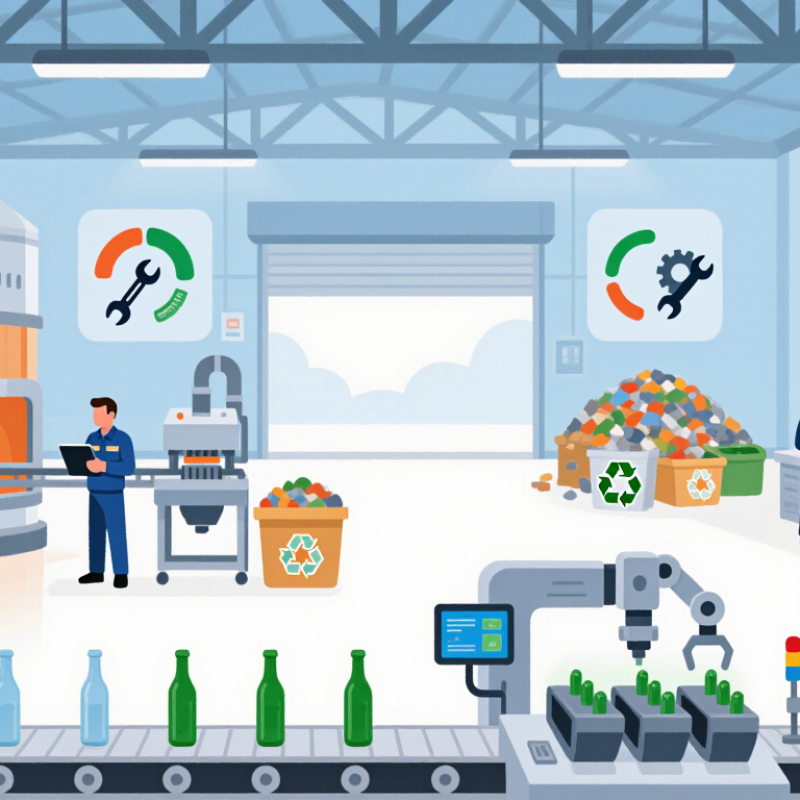
How to Choose a Glass Machine Manufacturer in 2026?
Define Your Glass Production Needs and Machine Requirements
Before comparing suppliers, map the glass you actually make: container, flat, or specialty glass. Record thickness, sheet dimensions, daily output, changeover frequency, and acceptable defect rates. A 4 mm panel and a heavy laminated unit demand different handling and cutting setups. Include your current bottleneck, not just your ideal future capacity. Small details matter.
Energy needs deserve equal attention. The International Energy Agency’s Energy Efficiency 2023 report estimates that industry used about 37% of global final energy in 2022. For a glass plant, ask for machine-level power data, furnace compatibility, and expected energy use per unit of output. Request cycle-time and yield figures under conditions close to yours; headline capacity alone can mislead. A tidy spreadsheet will not capture every production interruption.
Tips: Bring sample drawings and real production data to technical discussions. Ask how quickly settings can change between product sizes, and what maintenance access looks like beside the machine. Check spare-parts lead times, operator training, and whether quoted performance has been independently tested. Then compare proposals against your actual shift pattern—not a perfect week.
| Production area | Needs to define | Typical planning reference | What to confirm with the manufacturer |
|---|---|---|---|
| Product mix | List the products you plan to make, such as cut-to-size monolithic glass, tempered glass, laminated glass, or insulating glass units. | A line designed for one product type may not include the equipment or process controls needed for another. | Ask which processes are included, which are optional, and whether the proposed layout supports future additions. |
| Glass thickness and type | Specify the minimum and maximum thicknesses, glass composition, coatings, and any special or patterned glass you expect to process. | Processing limits differ by machine and operation; a machine’s stated range should be checked for each product and process. | Request written operating ranges for every relevant thickness and glass type, including any limitations for coated glass. |
| Sheet and finished sizes | Define incoming sheet dimensions, the smallest and largest finished parts, and the proportion of production that uses each size. | Some flat-glass stock is supplied in large formats such as approximately 3.21 × 2.25 m, but available sizes vary by supplier and market. | Check maximum loading dimensions, usable processing area, edge clearances, and whether sample layouts can be tested. |
| Required output | Estimate good finished units or square metres per shift, shifts per day, operating days, and expected product mix. | Rated speed is not the same as actual output; handling time, changeovers, breakage, and downstream bottlenecks affect production. | Request throughput estimates based on your part sizes, thicknesses, batch pattern, and planned working hours. |
| Cutting and optimization | Set requirements for straight or shaped cuts, hole and notch processing, barcode tracking, and connection to production-planning software. | Cutting tables and software have different format, accuracy, and automation capabilities. | Confirm supported file formats, required operator steps, cutting accuracy specifications, and options for remnant management. |
| Tempering | Identify the sizes, thicknesses, glass types, surface quality, and delivery schedule required for heat-treated products. | Furnace capacity and cycle time depend on glass dimensions, thickness, loading pattern, and process settings. | Ask for output calculations by product mix and confirm the applicable product standards and testing requirements for your market. |
| Insulating glass units | Define unit dimensions, spacer types, cavity widths, gas-fill needs, sealant system, and expected production volume. | Unit capability depends on the washer, spacer application, assembly, pressing, and sealing equipment selected. | Verify compatible spacer and sealant materials, minimum and maximum unit sizes, gas-fill options, and line balance. |
| Plant and utilities | Measure available floor space, access routes, ceiling height, electrical supply, compressed air, water, drainage, and ventilation. | Utility demand and installation footprint are machine-specific and may include space for conveyors, storage, and maintenance access. | Obtain a layout drawing, utility schedule, foundation details, and installation requirements before finalizing the purchase. |
| Automation and staffing | Decide how much loading, unloading, sorting, inspection, and data capture should be manual or automated. | Automation can reduce manual handling but requires suitable material flow, controls, operator training, and maintenance capacity. | Clarify staffing assumptions, integration scope, safety features, training hours, and responsibility for connecting systems. |
| Quality, service, and lifecycle cost | Set acceptable quality criteria, inspection methods, service response expectations, and a budget for energy, consumables, and spare parts. | Purchase price alone does not represent total ownership cost; uptime, energy use, maintenance, and local support also matter. | Request warranty terms, preventive-maintenance schedules, spare-parts availability, service coverage, and references for comparable installations. |
Planning note: The references above are general selection guidance, not guaranteed machine specifications. Confirm all operating limits, output figures, standards, and utility requirements in the manufacturer’s technical proposal.

 Send Inquiry


