2026 How to Choose the Right Industrial Switchgear for Your Needs?
Choosing the right Industrial Switchgear is crucial for any manufacturing facility. It impacts safety, efficiency, and productivity. With various options available, selecting the best fit can be overwhelming.
Understanding the specific needs of your operation is key. Industrial Switchgear comes in different sizes and configurations. Each type serves unique functions, from voltage regulation to power distribution. Consider your current and future power demands carefully.
Moreover, not all equipment is created equal. Quality varies among manufacturers. Some may overpromise features while underdelivering on reliability. Do thorough research to find trusted brands. Seek expert opinions and customer reviews. This approach can lead to better decision-making in purchasing Industrial Switchgear.
Understanding the Basics of Industrial Switchgear
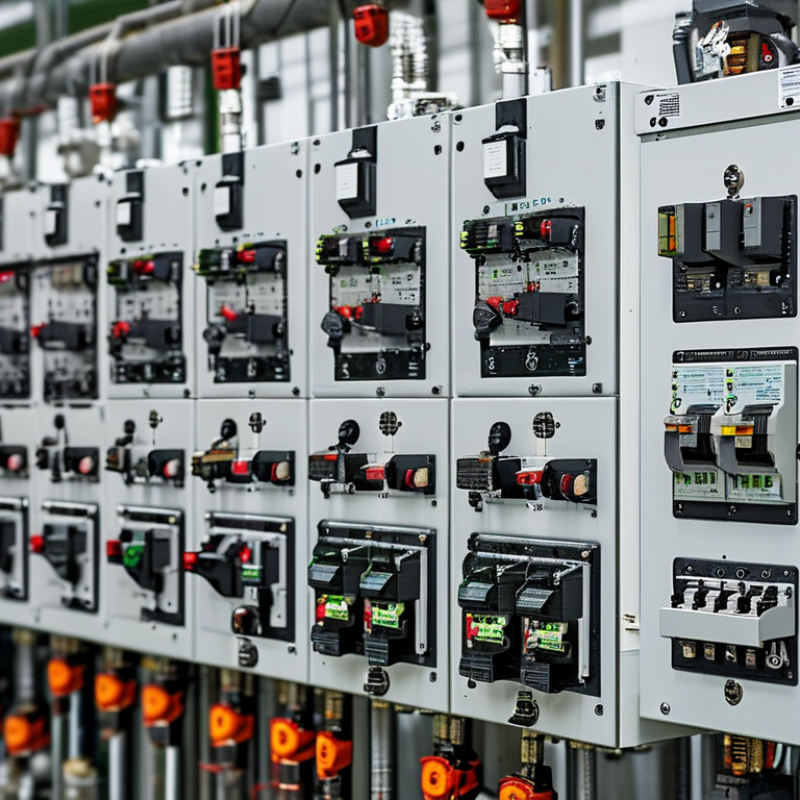
Industrial switchgear plays a crucial role in managing electrical systems. Understanding the basics is essential for choosing the right equipment. Switchgear protects and controls equipment, ensuring safe and efficient operations. This includes circuit breakers, fuses, and isolators. Each component must meet specific requirements based on your facility's needs.
When selecting switchgear, consider voltage and current ratings. Different applications demand different specifications. For example, industrial plants often require high voltage systems, while commercial facilities might operate at lower voltages. Environmental conditions also matter. Factors like humidity and temperature can impact performance. Make sure to assess the space available, as some switchgear requires more room than others.
Finally, think about maintenance and reliability. Regular inspections are vital for safe operation. Equipment failures can lead to costly downtime. However, companies often overlook this aspect. Neglecting routine checks may result in unforeseen problems. Balance your initial investment with long-term maintenance costs to ensure reliability. Making informed choices today can prevent headaches in the future.
Identifying Your Power Requirements and Applications
Choosing the right industrial switchgear requires a clear understanding of your power requirements and specific applications. Power needs can vary significantly across industries. A report by the International Energy Agency (IEA) indicates that industrial electricity demand is projected to grow by 4% annually through 2025. This highlights the necessity for effective switchgear solutions.
When assessing your power requirements, consider both current and future demands. For instance, an increase in automation processes may drive up power usage. Furthermore, your application type—whether it’s manufacturing, construction, or energy generation—will influence the switchgear type needed. A study from the U.S. Department of Energy shows that 30% of energy is wasted due to inefficient power management, further emphasizing the importance of selecting appropriate equipment.
It’s essential to reflect on the potential shortcomings of your current energy infrastructure. Regular assessments can uncover inefficiencies or capacity issues. Not all facilities operate optimally, and sometimes existing switchgear can fall short of operational needs. In the evolving landscape of energy consumption, staying informed about advancements is crucial.
Evaluating Switchgear Types and Technologies
When considering industrial switchgear, it is vital to evaluate various types. Each type has unique benefits and limitations. For instance, air-insulated switchgear (AIS) is common due to its simplicity and effectiveness. It operates well in many environments but may require more physical space. On the other hand, gas-insulated switchgear (GIS) is compact and reliable, ideal for areas with limited space. However, the high installation cost is a drawback.
Understanding technologies is equally crucial. Conventional switchgear often uses electromechanical components. These systems have been reliable over decades. Yet, advancements in digital switchgear are paving the way for smarter grids. They offer enhanced monitoring and control features. However, this shift requires familiarity with new technologies. Training may be necessary.
It is essential to reflect on the specific needs of your application. Consider environmental factors, maintenance requirements, and budget constraints. Consulting with engineering professionals can provide valuable insights. Evaluating your options thoroughly will lead you to the most suitable choice.
Assessing Safety Standards and Regulatory Compliance
When choosing industrial switchgear, safety standards are paramount. Compliance with established regulations is not just a checkbox; it’s essential for workplace safety. Understanding local and international standards can be complex, yet necessary. Safety guidelines inform the design and operation of switchgear, ensuring that it can handle electrical faults and emergencies effectively.
Identifying the right certifications is crucial. Look for standards that govern the construction and performance of switchgear systems. These include IEC standards, which provide guidelines for production and testing. Not all equipment meets these rigorous benchmarks, so due diligence is key. Always verify compliance documents and performance testing results provided by manufacturers.
Ignoring safety standards can lead to dire consequences. Subpar switchgear may not protect against arc flashes or overload, putting workers at risk. Regular audits and updates to safety protocols can help maintain compliance. A commitment to continuous improvement will strengthen your safety culture. Make safety a priority; it’s the foundation for operational reliability.
Assessment of Industrial Switchgear Safety Standards and Compliance
Analyzing Cost and Maintenance Considerations
When selecting industrial switchgear, cost and maintenance are critical factors. A report from the International Electrotechnical Commission reveals that around 30% of a facility's operational expenses come from equipment maintenance. Choosing the right switchgear reduces unplanned downtime and enhances efficiency. It's common for organizations to overlook the long-term costs, focusing solely on the initial purchase price.
Regular maintenance is essential for switchgear longevity. According to a study by the American National Standards Institute, switching equipment can last over 30 years with appropriate care. Neglecting maintenance often leads to larger issues, resulting in higher replacement costs. It's vital to consider both scheduled maintenance and potential repairs when budgeting.
**Tip:** Assess your maintenance capabilities before selecting switchgear. Ensure that your team has the skills for routine inspections and repairs.
**Tip:** Evaluate the total cost of ownership. Include installation, maintenance, and energy consumption in your calculations.
A thorough analysis of life-cycle costs often reveals unexpected expenses. Companies should reflect on their true budget and the impact of reliable switchgear on overall operations.
2026 How to Choose the Right Industrial Switchgear for Your Needs? - Analyzing Cost and Maintenance Considerations
| Feature | Cost Range (USD) | Maintenance Frequency | Lifespan (Years) |
| Circuit Breaker Switchgear | $10,000 - $50,000 | Annual | 20 - 30 |
| Gas Insulated Switchgear | $20,000 - $100,000 | Every 5 Years | 30 - 40 |
| Air Insulated Switchgear | $15,000 - $75,000 | Every 3 Years | 25 - 35 |
| Modular Switchgear | $5,000 - $30,000 | Every 2 Years | 15 - 25 |



 Send Inquiry

