What to Consider When Buying an Industrial Gas Boiler?
When considering the purchase of an Industrial Gas Boiler, it is crucial to evaluate several factors. The efficiency and performance of these boilers can significantly impact operational costs and productivity. Different models cater to various needs and industries. Therefore, understanding the specific requirements of your application is essential.
Key considerations include fuel type, boiler size, and capacity. Selecting the wrong boiler could lead to inefficiencies and increased emissions. It's also vital to check for compliance with local regulations. Expertise in this area can help mitigate risks.
Moreover, assessing the reliability and maintenance requirements of the Industrial Gas Boiler is critical. An unreliable boiler can lead to costly downtimes. Make sure to consider the manufacturer’s reputation and available support. This knowledge not only helps ensure better decision-making but also enhances long-term performance and safety.
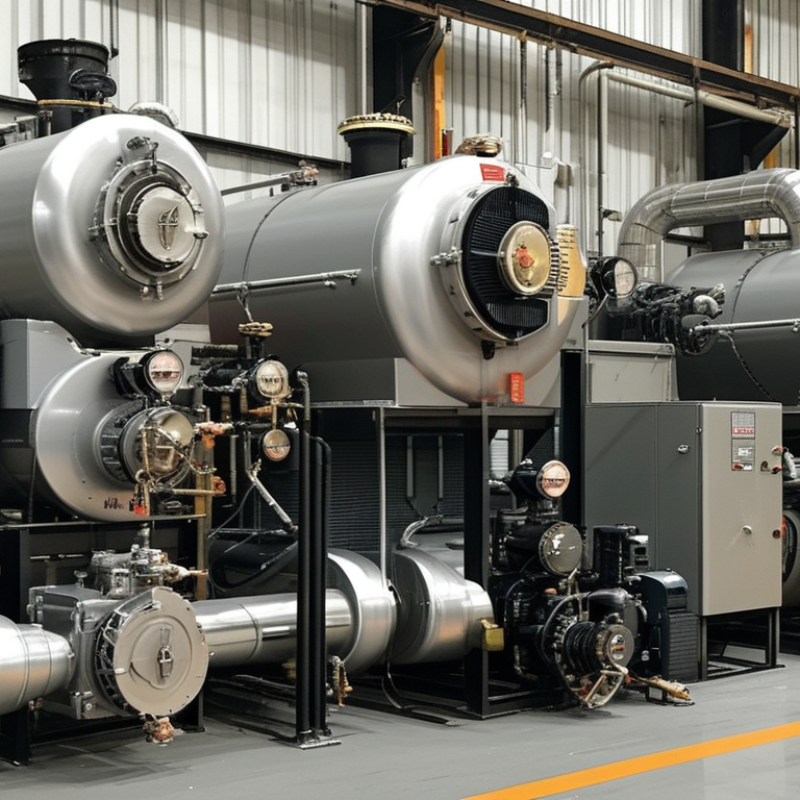
Key Factors Influencing the Selection of Industrial Gas Boilers
When selecting an industrial gas boiler, several key factors come into play. Efficiency is paramount. A higher efficiency rating means lower operating costs and reduced emissions. Many facilities must balance this with budget constraints. Initial costs can be high. However, investing in efficient models can yield long-term savings.
Size and capacity are critical aspects too. An oversized boiler leads to short cycling, wasting energy. Conversely, an undersized unit can struggle to meet demands, risking downtime. It's vital to assess your facility's specific requirements. This often involves careful calculations, yet many overlook this step, which can lead to frustration.
Maintenance is another essential consideration. Industrial boilers require regular inspections and servicing. A well-maintained unit operates safely and efficiently. Some operations may lack trained personnel. This can lead to negligence or costly repairs later on. Ultimately, understanding these factors is crucial for making a wise investment in an industrial gas boiler.
Types of Industrial Gas Boilers and Their Applications
When choosing an industrial gas boiler, it's crucial to understand the different types available. Each type serves unique purposes and industries. For instance, fire tube boilers are popular for their efficiency. They feature a series of tubes that transfer heat to water. This design allows for quick heating and steady steam production. Companies in manufacturing often prefer this type due to its reliability.
Another option is the water tube boiler. Unlike fire tube boilers, they have water-filled tubes with hot gases flowing around them. This design enables higher pressure and temperature capabilities. Industries such as oil and gas frequently utilize these boilers for large-scale operations. The water tube boiler can handle heavy workloads, yet they may require more maintenance over time.
Choosing the right boiler type is not solely about efficiency. Considerations like space, fuel source, and initial cost are important too. A boiler that fits perfectly in a given space can enhance overall efficiency. However, initial low costs may lead to high maintenance. Reflecting on these factors ensures a smarter investment in your industrial operations.
Energy Efficiency Ratings and Its Importance in Boiler Selection
When selecting an industrial gas boiler, energy efficiency ratings should be a primary focus. These ratings indicate how effectively a boiler converts fuel into usable heat. Higher efficiency means lower energy costs, resulting in significant savings over time. The efficiency rating is typically expressed as a percentage. Aim for at least 90% efficiency for optimal performance.
Tips: Always check for certification labels on the model. These labels verify the boiler's efficiency claims. Compare different models and their ratings before making a decision. Even minor differences in efficiency can lead to higher energy bills.
Understanding energy efficiency is key. Not all boilers provide the same thermal output for the same fuel input. Some may consume more fuel, leading to waste. Regular maintenance also influences efficiency. A well-maintained boiler can operate at peak efficiency, whereas neglect can lead to reduced performance. Don't overlook the impact of age and wear on a boiler's efficiency. An older model may not compete with newer, more efficient designs.
Tips: Schedule regular maintenance checks to ensure optimal performance. Utilize software or tracking systems to monitor energy usage. Keeping an eye on usage patterns can help identify inefficiencies over time.
Maintenance Considerations for Industrial Gas Boilers
When considering maintenance for industrial gas boilers, several key factors must be addressed. Regular inspections are crucial to ensure the system operates efficiently. You’ll want to check for any unusual noises, vibrations, or leaks. These signs can indicate underlying issues that, if ignored, might lead to larger, costlier repairs.
Additionally, maintaining the burner system is essential. Burners require cleaning and adjustments to maintain optimal performance. Neglecting this can lead to incomplete combustion, harming efficiency and increasing emissions. Regular tuning of the burner can keep the system running smoothly and safely.
Another often overlooked aspect is water quality. Poor water chemistry can result in scale buildup and corrosion. Implementing a proper water treatment program is necessary for longevity. Regularly monitoring and treating the water quality is vital to prevent damage. It’s easy to underestimate these aspects, but their importance cannot be ignored in ensuring the reliability of your industrial gas boiler.
Compliance with Safety and Environmental Regulations in Boiler Purchase
When considering the purchase of an industrial gas boiler, compliance with safety and environmental regulations is crucial. These regulations have evolved significantly over the years. For instance, the U.S. Environmental Protection Agency (EPA) has stringent guidelines to reduce emissions. The agency requires that industrial boilers meet specific limits for nitrogen oxides (NOx) and particulate matter. Non-compliance can result in substantial fines and operational costs.
Investing in a compliant boiler involves understanding local and international codes. For example, according to the Global Industrial Boiler Market Report, 40% of installations fail to meet existing environmental legislation. This failure often stems from inadequate knowledge of the requirements or poor initial assessments. Purchasing a boiler without assessing compliance risks could lead to legal liabilities and increased operational downtime.
Additionally, the efficiency of the boiler plays a significant role in environmental compliance. High-efficiency models have lower emissions and often qualify for tax incentives. However, some businesses still prioritize upfront costs over long-term benefits. This short-sighted approach can lead to higher maintenance and operational costs in the future. It is vital to weigh the immediate savings against potential long-term compliance costs.



 Send Inquiry

