What is a Damper Actuator and How Does it Work?
Damper Actuators are essential in controlling airflow and temperature in various systems. These devices adjust dampers, ensuring proper ventilation and energy efficiency. Renowned engineer Dr. Emily Carter emphasizes, "A damper actuator is crucial for modern HVAC systems."
In many commercial applications, damper actuators enhance performance by precisely regulating air movement. However, they can suffer from wear and tear. Regular maintenance is often overlooked, leading to efficiency losses. Without attention, a damper actuator may fail when you need it most.
Understanding how a damper actuator works is vital. These components don’t operate in isolation; they rely on complex systems. Each detail matters. An unnoticed malfunction can lead to bigger issues within the HVAC system. The complexity may leave some questioning their effectiveness. However, with proper knowledge and care, the benefits of damper actuators are clear.
What is a Damper Actuator?
A damper actuator is a vital component in HVAC systems and industrial applications. It regulates airflow by controlling the position of dampers. These devices are crucial for maintaining indoor air quality and maximizing energy efficiency. According to the U.S. Department of Energy, proper damper control can save up to 30% on energy costs.
In simple terms, a damper actuator can be either electric or pneumatic. Electric actuators use motors to adjust the damper position precisely. Pneumatic actuators rely on compressed air. Understanding the differences can optimize system performance. Many users overlook this aspect, leading to inefficient functioning. The choice of actuator affects system responsiveness and energy consumption.
Tips: Regular maintenance can prolong the actuator's life. Periodic inspections help catch issues early. Listen for unusual noises; they may indicate wear. Replacing worn components is often needed. Ensure the actuator is calibrated correctly to avoid overuse. This step can further reduce energy waste and improve comfort.
Actuator types vary widely. Some are designed for specific environments, while others are more versatile. Recognizing your needs is crucial. A mismatched actuator may lead to operational problems. Evaluate performance and adjust as necessary. This iterative process helps refine air control strategies in your system.
Types of Damper Actuators and Their Applications
Damper actuators play a vital role in HVAC systems. They regulate airflow and maintain indoor air quality. There are various types of damper actuators, each suited for specific applications. Electric, pneumatic, and thermal actuators are most common. Electric actuators are versatile. They provide precise control and are often used in commercial buildings.
Pneumatic actuators, while effective, can be less efficient. Studies show they can consume around 20% more energy than electric models. This can lead to higher operational costs. On the other hand, thermal actuators leverage temperature changes to function. However, their response time might be delayed compared to electric actuators. This delay can impact system efficiency.
The application of these actuators varies widely. In industrial settings, they control heavy machinery. In residential areas, they offer comfort by regulating heating and cooling. According to industry reports, the demand for electric damper actuators is expected to grow by 6% annually. Yet, reliance on outdated technology poses risks. Many existing systems still use pneumatic actuators, which may not perform optimally. Adapting to modern solutions is often overlooked, yet crucial for efficiency.
How Damper Actuators Function Mechanically
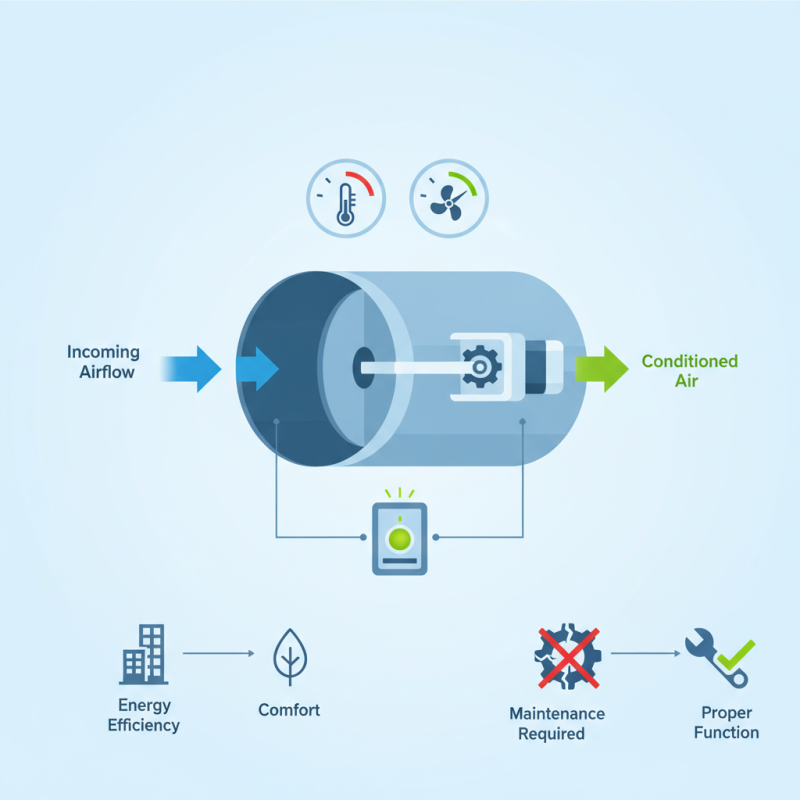
A damper actuator is a crucial component in HVAC systems. It regulates airflow by opening and closing dampers. Understanding its mechanical function provides insight into its importance.
Mechanical function relies on several parts. The actuator receives signals from a control system. It then converts that signal into movement. This movement shifts the damper blade. The blade can be fully open or completely closed. This design ensures desired airflow reaches rooms.
Tips: Regular maintenance is essential. Inspect actuators for wear and tear. Replace any damaged components timely.
The actuator often uses motors or pneumatic systems. Motors drive gears that operate the damper. Pneumatic systems use air pressure to move the damper. Both methods require precision. Improper alignment can hinder performance.
Tips: Ensure your system is expertly calibrated. Misalignment can waste energy, impacting efficiency. Keeping components clean can lead to better operation.
Damper Actuator Data Table
| Feature | Description |
| Type of Actuator | Electric, Pneumatic, or Hydraulic |
| Operating Voltage | 24V AC/DC or 120V AC |
| Torque Output | 5 to 50 Nm |
| Control Signal | 0-10V, 4-20mA, or On/Off |
| Response Time | Typically 5-10 seconds |
| Operating Temperature Range | -40°C to 70°C |
| Position Feedback | Potentiometer or Encoder |
| Material | Aluminum, Stainless Steel, or Plastic |
| Applications | HVAC systems, Industrial processes, Building automation |
| Maintenance Frequency | Annual inspection recommended |
Control Mechanisms for Damper Actuators
Damper actuators play a crucial role in managing airflow in HVAC systems. These devices regulate the opening and closing of dampers, which control the distribution of air within buildings. Understanding the control mechanisms behind damper actuators is essential for optimizing energy efficiency.
Various control strategies can be employed for damper actuators. For instance, position control allows precise adjustment based on the required airflow. Modulating controllers can vary the actuator's position in response to sensor data. A significant report by the American Society of Heating, Refrigerating and Air-Conditioning Engineers (ASHRAE) highlights that using advanced control strategies can reduce energy consumption by up to 30%.
Tips: Regularly check the calibration of your control systems. Even minor discrepancies can lead to inefficient operation. Additionally, consider implementing feedback systems to enhance precision. These can alert you to performance issues early. Ultimately, better control mechanisms contribute to lower utility bills and improved comfort levels.
However, many systems face oversights. Inadequate maintenance can lead to actuator failure. A study from the National Institute of Standards and Technology (NIST) found that improperly maintained actuators lead to a 20% drop in efficiency. Addressing these challenges requires a proactive approach and ongoing training for personnel.
Common Issues and Maintenance for Damper Actuators
Damper actuators play a crucial role in HVAC systems. They control the flow of air by adjusting dampers in ventilation ducts. However, like any mechanical component, they face issues. One common problem is electrical failure. When the actuator loses power, it cannot open or close the damper. This can result in uneven heating or cooling in different areas of a building.
Physical wear and tear is another concern. Actuators can become sluggish over time. Dust and debris may clog their mechanisms. Regular maintenance is essential to prevent these issues. Cleaning the actuator and the surrounding area can enhance performance. Lubrication is also vital. Properly lubricated actuators operate smoothly. Inspecting for loose connections can help in identifying problems early.
Sadly, many neglect these basic maintenance tasks. This oversight often leads to larger issues down the line. A well-maintained damper actuator not only operates efficiently but can also extend the lifespan of HVAC systems. Always prioritize simple checks. It saves time and money in the long run. Take a moment to reflect on the state of your systems. Regular upkeep can make a significant difference.
Common Issues and Maintenance for Damper Actuators
This chart illustrates the frequency of common issues encountered with damper actuators and the recommended maintenance activities over a typical operational year.



 Send Inquiry

