What is a Diamond Cutting Machine and How Does it Work?
A Diamond Cutting Machine plays a vital role in the gemstone industry. This sophisticated equipment is designed to achieve precision and quality in diamond cutting. The process requires skill and expertise, making it essential for jewelers and manufacturers.
The operation of a Diamond Cutting Machine involves diamond saw blades and advanced software. These machines can create intricate shapes and optimize the diamond's brilliance. However, mastering this technology is not easy. Operators must balance efficiency with craft to avoid potential errors.
Technological advancements have made these machines more accessible. Yet, some challenges remain. Consistency in cut quality can be hard to achieve. Understanding the nuances of each stone is crucial. Despite these hurdles, the impact of a Diamond Cutting Machine on the gem industry is undeniable. Its precision elevates the value of diamonds worldwide.
Understanding Diamond Cutting Machines: An Overview
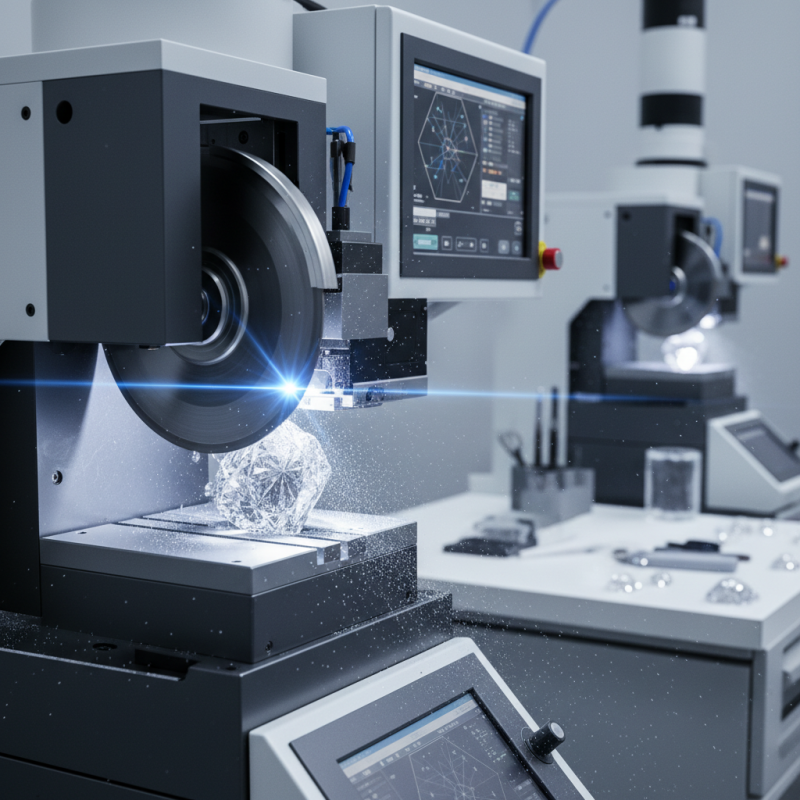
Diamond cutting machines are specialized tools used in the intricate process of shaping diamonds. These machines employ advanced technology to ensure precision and accuracy. They are equipped with high-speed rotating blades, which are often made from diamond dust. This allows for efficient cutting while maintaining the integrity of the stone.
Understanding how these machines work is crucial for anyone in the gemstone industry. The cutting process begins with securely mounting the rough diamond. Operators must carefully adjust the machine settings to suit the characteristics of the stone. A miscalculation can lead to significant waste or damage. The machine then grinds the diamond to produce facets that enhance its sparkle. Achieving the perfect cut requires both skill and experience.
Despite the sophistication of diamond cutting machines, there are challenges. Not all diamonds are uniform. Each stone has its own set of qualities that can affect the cutting process. This introduces a level of unpredictability. It’s essential for operators to be adaptable and knowledgeable. Learning from mistakes is part of mastering diamond cutting.
Key Components of a Diamond Cutting Machine
A diamond cutting machine is essential for shaping rough diamonds into sparkling gemstones. Understanding its key components can help clarify its operation. The main parts include a diamond blade, a motor, and a cooling system. The diamond blade is specially designed to cut through hard materials, using small diamond particles embedded in it.
The motor drives the blade, providing the necessary speed and power to effectively cut the diamond. This is where precision is vital; any error can alter the stone’s value. The cooling system, often water or oil-based, prevents overheating during the cutting process.
**Tip:** Regular maintenance of the motor can enhance the machine's performance and longevity. Dirty or worn components can compromise cut quality.
When operating a diamond cutting machine, it’s crucial to monitor blade wear. A dull blade can produce uneven cuts, leading to poor outcomes. Also, remember to adjust the cutting speed based on the diamond's hardness.
**Tip:** Testing with less valuable stones can help you practice. This reduces the risk of costly mistakes with high-value gems. Proper setup and careful operation can make a significant difference in the final product.
What is a Diamond Cutting Machine and How Does it Work? - Key Components of a Diamond Cutting Machine
| Component | Description | Function |
| Laser Cutting Head | Utilizes high-powered lasers for precise cutting of diamond. | Enables precise and clean cuts with minimal waste. |
| Water Cooling System | Circulates water to cool the cutting area. | Prevents overheating, prolonging tool life and enhancing cutting quality. |
| Control Panel | User interface for controlling machine settings. | Allows for adjustments in speed, feed rate, and cutting depth. |
| Diamond Saw Blade | Blade embedded with diamond particles for cutting. | Cuts through hard materials effectively. |
| Frame and Structure | The physical body of the machine providing support and stability. | Ensures the integrity and strength of the operation. |
The Cutting Process: How Diamonds are Shaped
The cutting process is a crucial step in transforming rough diamonds into stunning gemstones. Expertise is essential here. It involves precision and skill to shape the stone. The diamond is first analyzed for its quality. Cutters examine its clarity, color, and overall value. Each diamond possesses unique characteristics that guide the cutting process.
Various techniques are employed during diamond shaping. The most common method is the use of specialized machines. These machines use laser technology for accuracy. The initial stage is called blocking, where the diamond is shaped into a basic form. Following blocking, the faceting stage begins. Each facet is carefully polished to reflect light beautifully.
However, achieving perfection is challenging. The cutter must make decisions about which facets to prioritize. Even expert cutters can make mistakes. A miscalculation can affect the diamond's brilliance. As they refine their craft, cutters learn from these experiences. Each diamond tells its own story, reflecting both beauty and the trials of the cutting process.
Types of Diamond Cutting Techniques and Their Uses
Diamond cutting techniques play a crucial role in shaping these precious stones. Each method has its unique applications and is selected based on the desired outcome. One prominent technique is the brilliant cut, famous for maximizing sparkle. This method involves precise faceting, allowing light to reflect beautifully within the diamond.
The emerald cut, on the other hand, exhibits a more understated elegance. It features step facets that create a “hall of mirrors” effect. This technique is ideal for larger stones, as it showcases clarity. However, imperfections can be more visible, leading to careful selection of the raw material.
Another notable method is the rose cut, distinguished by its unique shape. This technique results in a flat base with a dome-like top. While it doesn’t produce the same brilliance as the brilliant cut, its historical charm attracts many buyers. Reflecting on the various techniques highlights that each has strengths and weaknesses. Understanding these nuances is essential for both creators and consumers in appreciating the beauty of each diamond.
Maintenance and Care for Diamond Cutting Machines
Proper maintenance and care of diamond cutting machines is crucial for their longevity and performance. Regular cleaning is a must. Dust and debris can build up in various parts, potentially affecting the machine's functionality. Operators should wipe down surfaces daily and ensure that the cutting areas are free from contaminants. A clean machine not only operates better but also produces higher-quality cuts.
Check the alignment and calibration frequently. Misalignment can lead to uneven cuts and wastage of valuable materials. Machines should be checked weekly for any signs of wear. Pay attention to blades and cutting tools; replacements should be made promptly. Using worn tools can ruin workpieces and lead to higher costs.
Operators should keep an eye on lubrication levels as well. Insufficient lubrication can cause overheating and damage components. Using the right type of lubricant enhances performance but can be tricky. It's worth noting that some machine models require specific lubricants, which can lead to confusion. Not all operators think to consult manuals often. Regular checks and user awareness are key to efficient operation and maintenance.



 Send Inquiry

