Top 10 Directional Control Valve Buying Tips for Global Sourcing
When sourcing a Directional Control Valve, it’s essential to navigate the complexities of global markets. The right valve can greatly enhance operational efficiency. A well-chosen Directional Control Valve will ensure precise fluid management in hydraulic systems.
Global sourcing presents unique challenges. You must consider quality, reliability, and price. Unfortunately, many buyers overlook these aspects, leading to costly mistakes. Each valve should meet specific operational standards. Familiarity with key specifications helps make informed decisions.
Be mindful of supplier reputation; it's crucial. Research manufacturers with a proven track record. A solid partnership can provide ongoing support, enhancing your system’s performance. Remember, not all suppliers guarantee the same level of quality and service. Evaluating options carefully pays off in the long run.
Understanding Directional Control Valves and Their Functionality
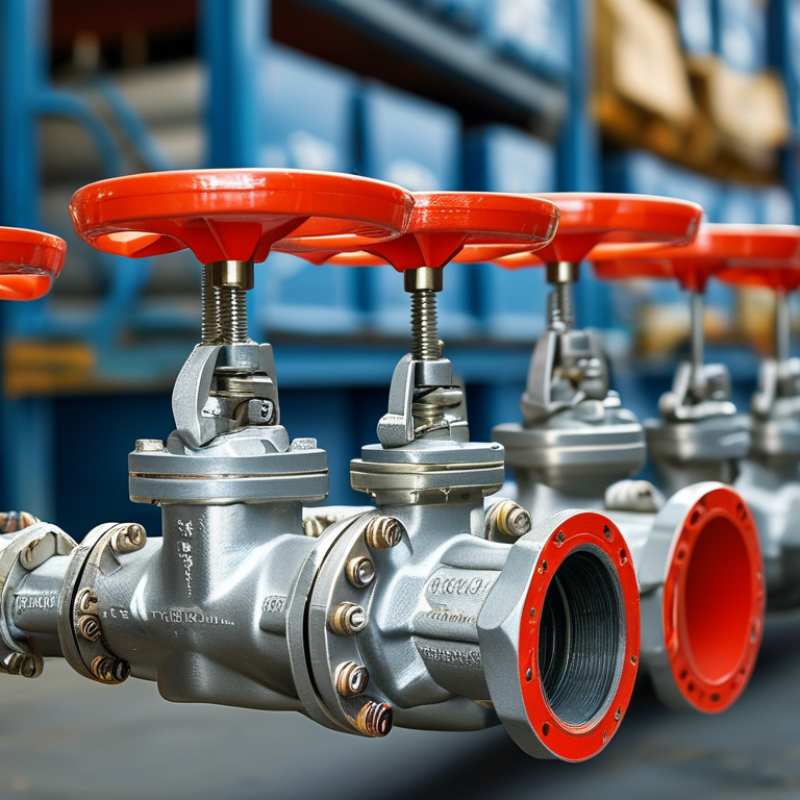
Directional control valves play a crucial role in hydraulic systems. These valves manage the flow direction of hydraulic fluid, enabling machinery to perform various functions. Their design affects overall system efficiency. Understanding their functionality is essential for selecting the right valve for specific applications.
Research indicates that improper valve selection can lead to a 20% decrease in system efficiency. Various types of directional control valves exist, including spool and poppet valves. Spool valves are often preferred for their versatility. They can manipulate multiple flow paths. Poppet valves, however, offer rapid response times, making them suitable for specific tasks.
Many engineers overlook the importance of proper sizing. A valve that is too large may cause fluid turbulence. This can result in reduced performance and increased energy consumption. Additionally, the quality of materials used in construction matters. Low-quality valves may fail more frequently, leading to costly downtime. Evaluating these factors will enhance operational reliability. Investing time in understanding valve functionalities can prevent costly mistakes.
Key Specifications to Consider When Sourcing Directional Control Valves
When sourcing directional control valves, understanding key specifications is essential. Begin with the valve's flow capacity. This determines how much fluid can pass through. Check the pressure ratings too. These ratings ensure the valve can handle the system’s demands.
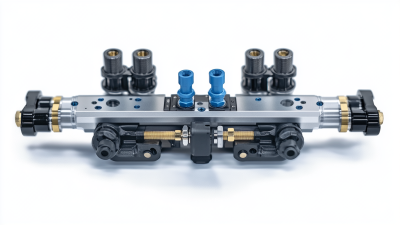
Another vital specification is the actuation method. Valves can be manually operated, electric, or pneumatic. Selecting the right actuation method will impact efficiency. Additionally, consider the valve's response time. A slower response can create inefficiencies in your system. Always ask about the materials used in valve construction. Quality materials lead to durability and reliability.
Evaluate the installation requirements as well. Some valves may need specific mounting arrangements. This factor can affect not only the installation but also future maintenance. Look for adaptable options. They often offer flexibility for various applications, yet such solutions may not be perfect for every scenario. Consider your unique needs carefully. Taking these specifications into account can help you make informed decisions in sourcing directional control valves.
Evaluating Material Quality and Construction for Durability
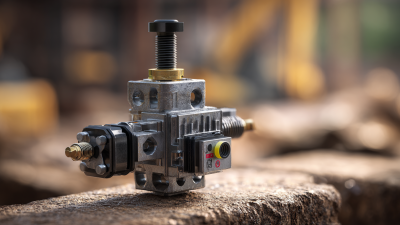
Choosing the right material for directional control valves is essential. It affects durability and performance. Valves made from high-quality materials resist corrosion and wear. Common materials include stainless steel and aluminum, which are often favored due to their robust properties. When sourcing globally, investigate the materials used in valve construction. Look for specific certifications to ensure compliance with quality standards.
Construction technique also plays a crucial role in a valve's longevity. Machining precision and assembly quality impact how well a valve performs under pressure. Consider valves with tight tolerances and secure joints. Faulty assembly can lead to leakage, affecting efficiency. Inspecting these details might seem tedious, but it is necessary for making an informed decision.
One common oversight is to focus solely on price. While budgeting is important, the long-term costs associated with low-quality valves can outweigh initial savings. A valve that fails prematurely results in costly downtime and repairs. It’s essential to balance cost with quality. Reflecting on past purchasing decisions can help identify mistakes for future sourcing endeavors.
Regional Market Differences in Valve Manufacturing Standards
Regional market differences play a crucial role in directional control valve manufacturing standards. These standards can vary significantly across continents. Factors like local regulations, industry requirements, and technological advancements shape these variations. For instance, European markets may prioritize energy efficiency and environmental standards more than those in Asia. Understanding these nuances is vital for global sourcing.
In North America, there is often a focus on safety and reliability. Valves might undergo rigorous testing to meet various industrial requirements. In contrast, some regions may emphasize cost over compliance, leading to potential quality concerns. This disparity can challenge buyers looking for uniformity in product performance. Each market has its own labeling and certification standards, complicating the sourcing process.
Buying from multiple regions may expose discrepancies in product quality and performance. Communicating your standards clearly to suppliers is essential. It's necessary to have a deep understanding of regional specifications. However, you may find that not every supplier meets these expectations. This could require ongoing assessments and adjustments to your sourcing strategy. Exploring regional differences enables informed decision-making and enhances the procurement process.
Cost vs. Quality: Balancing Your Investment in Directional Control Valves
When sourcing directional control valves, striking the right balance between cost and quality is crucial. Many buyers chase the lowest prices, yet this often leads to compromised quality. Cheaper valves may fail sooner, increasing long-term costs through frequent replacements. Investing in quality upfront ensures reliability in critical applications.
It's essential to assess your specific needs. Consider the environment where the valve will be used. For harsh conditions, a higher-quality valve is necessary, even if it costs more upfront. The savings from fewer replacements can greatly outweigh initial expenses. However, some might overestimate their requirements, aiming for premium features that are not essential.
Finding the right suppliers who provide both value and quality can be challenging. Verification of their credibility is vital. Look for manufacturers with a proven track record in the industry. They should demonstrate expertise and a commitment to quality assurance. This might include third-party testing or certifications. Quality assurance is as important as the initial purchase price in ensuring the longevity of your investment.





 Send Inquiry

