What is Electric Light Van and Why It Matters for Buyers?
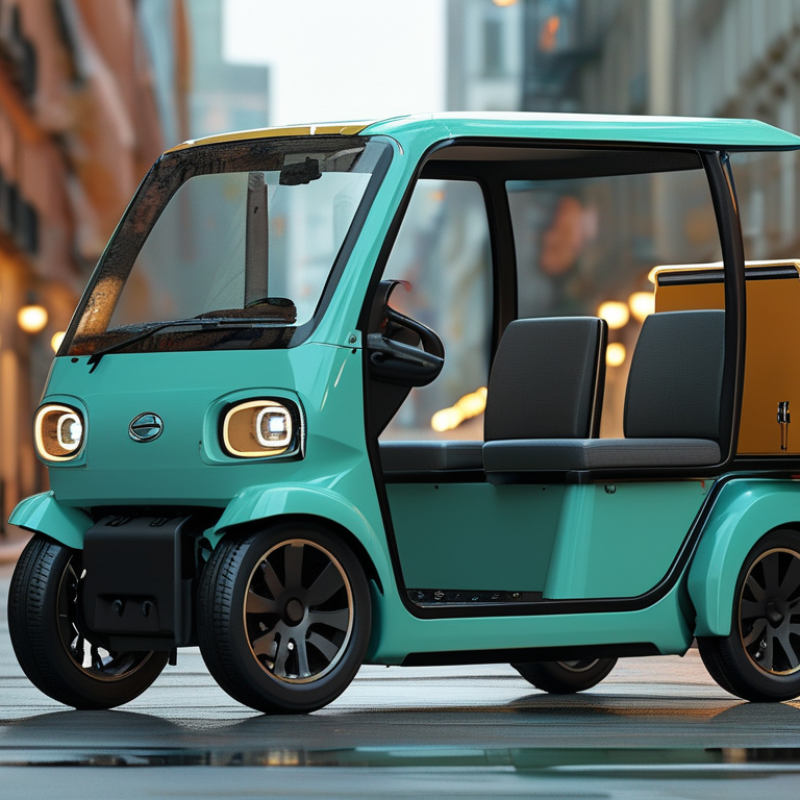
The Electric Light Van is transforming urban transportation and logistics. Buyers are increasingly aware of its role in reducing emissions and operational costs. It offers an eco-friendly alternative for businesses that rely on delivery services.
This van’s design promotes efficiency. It's lightweight and energy-efficient, making it ideal for city driving. Think about the savings on fuel and maintenance. However, some buyers may hesitate to adopt this technology. Concerns about range, charging infrastructure, and initial costs often arise.
Understanding the Electric Light Van is vital for informed purchasing decisions. Buyers must weigh the benefits against potential challenges. It’s not just about going green; it’s about practical solutions. The decision to invest in this technology involves careful consideration of both current needs and future sustainability goals.
What Defines an Electric Light Van in the Current Market?
Electric light vans represent a crucial segment in the evolving transportation landscape. Defined primarily by their weight and zero-emission capabilities, these vehicles typically have a gross vehicle weight of under 3.5 tons. In the current market, demand for electric light vans is surging. According to recent reports, the global electric light commercial vehicle market is projected to reach $80 billion by 2027, growing at over 15% annually.
Notably, the range of electric light vans has improved. Many models now offer ranges between 100 to 200 miles. This shift meets the needs of urban logistics and last-mile delivery services. Data from the UK government indicates that lightweight electric vans can reduce greenhouse gas emissions by up to 70% compared to their diesel counterparts. This reduction is critical as cities strive to meet increasing environmental regulations.
Despite these advancements, barriers remain. Charging infrastructure is still inadequate in many regions. Potential buyers express concerns about range anxiety and upfront costs, despite long-term savings on fuel and maintenance. Therefore, while electric light vans present substantial benefits, buyers must weigh these with existing limitations in the market. The balance of these factors will shape future purchasing decisions and overall market growth.
Electric Light Van Sales in 2023
Advantages of Electric Light Vans Over Traditional Fuel Vehicles
Electric light vans are gaining traction in the commercial vehicle sector. They present numerous advantages over traditional fuel vehicles. According to Research and Markets, the global electric van market is projected to grow at a CAGR of 15% from 2022 to 2030. This growth is attributed to eco-friendly initiatives and rising fuel costs.
A key advantage of electric light vans is their operational cost. Electric vehicles (EVs) are typically cheaper to maintain than their fuel counterparts. A study by the International Council on Clean Transportation found that the operating costs for electric vans can be reduced by up to 60%. This is largely due to fewer moving parts and lower energy costs. Many businesses find this shifting cost dynamic essential for budgeting in a fluctuating market.
Moreover, electric light vans produce zero tailpipe emissions, significantly impacting urban air quality. According to the Environmental Protection Agency, transportation accounts for nearly 29% of total greenhouse gas emissions in the U.S. Transitioning to electric vehicles could help reduce this statistic. However, challenges like limited charging infrastructure still need to be addressed. Buyers must consider these factors before switching to an electric light van.
Market Trends and Growth Predictions for Electric Light Vans
The electric light van market is expanding rapidly. Many businesses are considering this shift. They see the benefits of green technologies and lower operational costs. Electric vans can reduce emissions significantly. This aligns with global sustainability goals. Moreover, companies are under pressure to adopt eco-friendly practices.
Market predictions suggest robust growth for electric light vans. Analysts expect a rise in demand in urban areas. Cities are creating low-emission zones. This pushes businesses to opt for electric vehicles. Points of charging infrastructure are increasing. More charging stations enhance usability. Yet, the initial investment remains a concern for some buyers. They must weigh upfront costs against long-term savings.
Consumer preferences are evolving. Given recent trends, more buyers are willing to embrace electric options. However, some are still uncertain. They worry about battery range and maintenance. Establishing trust in technology is vital for future sales. As models improve, skepticism may lessen. Yet, ongoing education about electric vans is essential for potential buyers.
Key Features and Specifications to Consider When Buying
When considering an electric light van, buyers should pay close attention to key features and specifications. The driving range is essential. Most light vans offer 100 to 200 miles on a full charge. Assess whether this meets your daily needs. Charging time also matters. Some vans can charge fully in just a few hours, while others may take all night. Knowing your use case can save you frustrations later.
Payload capacity is another critical feature. It can range from 1,000 to 3,500 pounds. Choose a model that can handle your cargo without straining. Look for features such as easy access doors and spacious interiors. They can make loading and unloading more efficient. Safety features, like advanced driver assistance systems, are vital. They not only enhance safety but also improve driver confidence.
Buyers should not overlook warranty and servicing options. A comprehensive warranty can provide peace of mind. Regular servicing is crucial for the longevity of your electric van. Lastly, consider the availability of charging infrastructure in your area. It can determine how convenient owning an electric light van will be. This selection process may seem daunting, but taking these specifications into account will lead to a more satisfying purchase.
Environmental Impact and Sustainability of Electric Light Vans
Electric light vans are gaining attention for their role in reducing carbon footprints. These vehicles operate on batteries, producing no tailpipe emissions. Their environmental impact is significant, especially in urban areas. Traditional vans contribute to air pollution and greenhouse gas emissions. In contrast, electric light vans offer a cleaner alternative.
The sustainability of these vans is a pivotal aspect for buyers. They promote the use of renewable energy resources. When recharged with solar or wind energy, their operation becomes even greener. However, battery production poses its own environmental challenges. Mining for lithium and other materials can lead to ecological damage. This contradiction raises questions about the overall sustainability of electric vehicles.
Buyers must also consider charging infrastructure. As cities adapt, some areas may lack sufficient charging stations. This limitation could hinder the effectiveness of electric light vans. It’s crucial to weigh the benefits and challenges. Understanding the broader implications is essential for informed decisions. The future of transportation may depend on these careful considerations.




 Send Inquiry

