Why Choose French Style Wall Lights for Your Home?
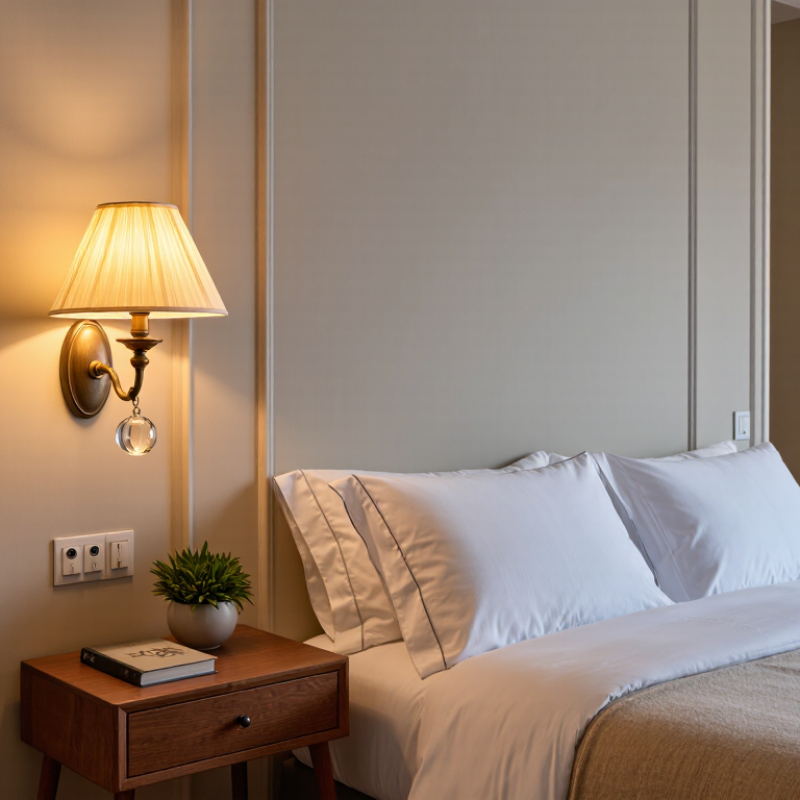
A French Style Wall Light can give a room a softer, more considered character. Picture a slim metal arm beside a bed, or a pleated shade casting a warm pool across a hallway wall. Its appeal often lies in the details: a gently curved frame, an aged brass finish, or a small glass ornament. These features can add visual interest without taking up floor space. They also make wall lights useful in compact rooms, where a table lamp may crowd a bedside surface. The right fixture should feel connected to the rest of the room, not like a decorative afterthought.
Style matters, but so does everyday performance. Check the light’s size, shade material, bulb type, and cleaning requirements before choosing one. A fabric shade can soften the glow, while clear glass may spread light more openly. Neither option suits every task. A wall light can create atmosphere, but it may not provide enough illumination for reading or detailed work on its own. Consider where shadows will fall, and whether the fitting can be positioned safely near furniture or walkways. Installation details deserve care, too; consult a qualified electrician when wiring or mounting requirements are unclear. It is easy to romanticize French interiors. In practice, the best choice balances charm with comfort, maintenance, and the room’s real needs. Some fixtures look lovely online, yet feel oversized at home. That is worth remembering.
What Defines French Style Wall Lights?
What Defines French Style Wall Lights?
French style wall lights are defined by graceful proportions, traditional materials, and softly diffused light. Look for curved arms, slim stems, small shades, and details such as aged brass or carved ceramic. Their shapes may recall château interiors, but the style also suits quieter rooms. A linen shade beside a reading chair feels more welcoming than a heavily decorated fixture. Small details matter. Patina, pleated fabric, and a gently scalloped edge can add character without making a wall feel crowded.
Light quality is part of the definition, too. The Illuminating Engineering Society’s guidance on layered lighting supports combining ambient, task, and accent light rather than relying on one source. A pair of wall lights can frame a mirror, soften a hallway, or provide reading light when positioned carefully. The U.S. Department of Energy reports that LEDs use at least 75% less energy and can last up to 25 times longer than incandescent lamps. Choose a warm LED and check that its dimmer is compatible. French style is not a fixed recipe. A little asymmetry can look charming, though too many ornate details may feel fussy. Measure the wall and note the shade’s projection before choosing.
Key Design Features and Materials
French-style wall lights combine sculpted forms with a practical, close-to-wall fit. Look for curved arms, candle-like sockets, fluted shades, and balanced symmetry. Materials shape the effect. Brass creates a warm glow; wrought iron gives crisp, dark outlines. Ceramic adds a softer, painted surface, while clear or opal glass helps control glare. In a hallway, a small opal shade can spread gentle light across plaster without hiding the fixture’s silhouette. Details matter.
Check construction, not just appearance. A solid backplate should sit flat, and joints should feel firm rather than wobbly. Brushed or aged finishes suit many French-inspired rooms, but overly uniform distressing can look artificial. That’s worth considering. For lasting performance, choose a fixture compatible with efficient LED lamps. The U.S. Department of Energy’s Energy Saver guidance reports that LEDs use at least 75% less energy and last up to 25 times longer than incandescent lighting. Lower heat may help protect nearby finishes, although lamp and fixture specifications still matter. For bathrooms or other damp spaces, verify the fixture’s damp-location rating before installation.
How They Shape Ambience and Lighting
French-style wall lights shape ambience with soft pools of light rather than one bright wash from the ceiling. Curved arms, pleated shades, and aged-looking finishes add visual warmth, even when the fixture is switched off. A fabric shade can soften a bulb’s glare, while a glass shade may spread light more widely across a wall. Small details matter. In a narrow hallway, two sconces can make the walls feel less stark and guide the eye toward a doorway. In a bedroom, placing lights beside the bed creates a gentle glow for winding down.
The effect depends on placement and brightness, not just style. Mount fixtures near eye level only when their shades shield the bulb; otherwise, direct glare can spoil the calm. A warm-white bulb often suits evening use, while a dimmer gives more control if the fixture supports one. Check the bulb and dimmer specifications before installation. These lights also work best as part of layered lighting, alongside ceiling or task lights. Still, the look is not automatically cozy. I have seen ornate sconces feel fussy in a room with busy wallpaper, and sometimes a simpler shade feels more at home.
Where to Use Them Throughout the Home
French-style wall lights suit spaces where warmth matters more than broad, uniform brightness. In an entryway, mount a pair beside a mirror to soften faces and illuminate keys or a console. In a hallway, evenly spaced fixtures can reduce dark patches and make framed art feel intentional. Keep shades clear of door swings and eye level; ornate designs can feel cramped in a narrow passage.
Bedrooms benefit from adjustable sconces beside the bed, freeing nightstands for books and glasses. In living rooms, place them near a reading chair or fireplace to add a gentle layer beside ceiling lighting. For bathrooms, use only fixtures rated for the installation zone and expected moisture. A pretty fitting is not automatically suitable for a damp room. The U.S. Department of Energy reports that LEDs use at least 75% less energy and last up to 25 times longer than incandescent lighting; choose compatible LED lamps for frequent-use areas.
Tips: Check the wall box, lamp direction, and bulb access before installation. Test the light at night, not just in daylight. A small sconce can still cast a surprisingly sharp shadow. If one corner remains dim, add task lighting rather than forcing the wall light to do everything.
How to Choose the Right French Style Wall Light
Choosing the right French style wall light starts with the room, not the finish. In a narrow hallway, a slim iron arm with a small linen shade leaves more visual space than a deep, ornate fixture. For a bedroom, aged brass and a curved silhouette can soften plain walls. Measure the fixture’s projection and compare it with door swings, furniture, and nearby trim. A lovely shape can feel crowded when it sits too close to a mirror.
Next, match the light to its task. Beside a reading chair, choose a shade that directs light downward and check that the bulb is easy to replace. For ambient light, a translucent shade spreads a gentler glow. The U.S. Department of Energy reports that LEDs use at least 75% less energy and last up to 25 times longer than incandescent bulbs. Confirm that the chosen bulb works with the fixture and any dimmer. I’d still test the color temperature at home; paint can look unexpectedly cool under a bulb that seemed warm in the shop.
Tips: Mark the fixture’s outline on the wall with painter’s tape before buying. Check the mounting height against seated and standing eye levels. For bathrooms or covered outdoor areas, verify the fixture’s location rating. A little mismatch is possible—French interiors often mix old and new—but scale and useful light should come first.
Why Choose French Style Wall Lights for Your Home?
How to Choose the Right French Style Wall Light
French-style wall lights can add decorative ambient lighting or focused accents. Choose their placement and brightness to suit the room’s lighting needs.
These broad planning ranges are measured in lux (lumens per square metre). Actual requirements depend on room layout, surface finishes, daylight and the tasks performed. Wall lights usually supplement other lighting rather than illuminate an entire room alone.




 Send Inquiry


