Top Tips for Sourcing Blue Shade Net Globally
In the global market, sourcing a reliable Blue Shade Net can be challenging. Expert James Carter, a leading figure in agricultural solutions, emphasizes, "Quality shade nets are key to ensuring optimal plant health." This statement highlights the necessity of understanding the specific needs related to shade netting in agriculture.
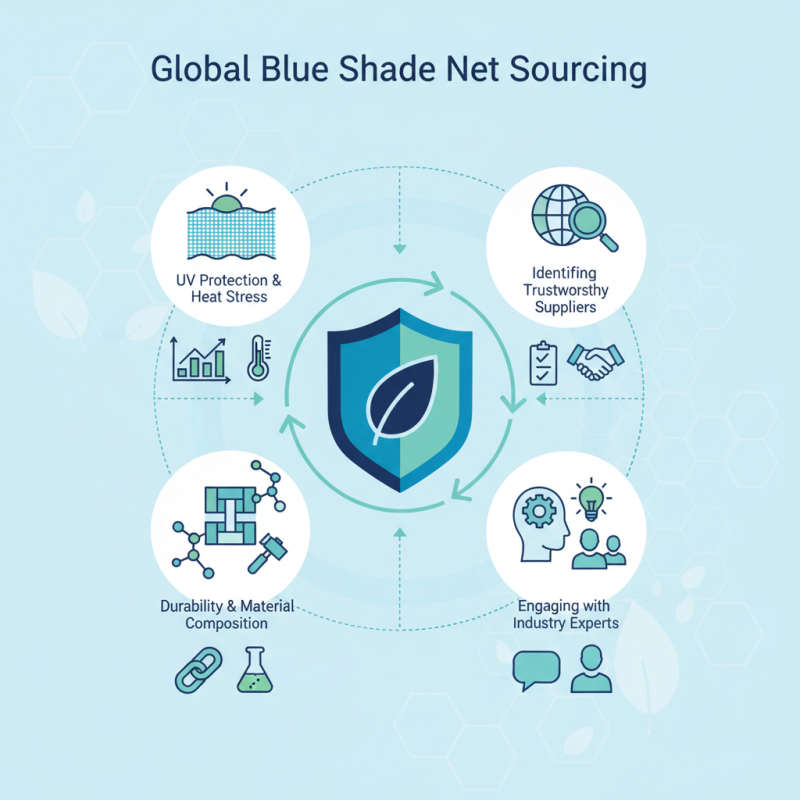
The right Blue Shade Net can protect crops from harsh sunlight and minimize heat stress. Different regions require varying levels of UV protection and shading, making it crucial to select the right product. Many farmers and suppliers often overlook these factors, leading to suboptimal results.
Identifying trustworthy suppliers can also be daunting. Not all manufacturers uphold high standards. Price point does not always reflect quality. Therefore, meticulous research is essential. Assessing durability, UV resistance, and material composition can prevent costly mistakes. Engaging with experienced professionals in the industry can provide valuable insights into the best sourcing practices. The right choices in Blue Shade Net procurement can significantly impact agricultural productivity.
Understanding Blue Shade Net: Types and Specifications
When sourcing blue shade nets, it’s crucial to understand the different types and specifications available. Blue shade nets are commonly used in agriculture, gardening, and outdoor projects. They serve various functions, including providing UV protection and regulating temperature for crops. However, not all blue shade nets are created equal.
There are several types of blue shade nets, varying in thickness and shade percentages. Standard options often range from 30% to 90% shade levels. For instance, a 50% shade net is effective for sun-sensitive crops, allowing some light while blocking harsh rays. On the other hand, heavier nets, like those with 80% or 90% shading, are beneficial for more delicate plants.
When considering specifications, look for the material quality. Polyethylene is popular due to its durability and UV resistance. However, some nets may degrade faster than others, requiring frequent replacement. It’s vital to assess your needs carefully and consider environmental factors that might impact longevity. Keep in mind that not every option will work for every climate or crop. You may need to experiment with different types before finding the perfect fit.
Top Tips for Sourcing Blue Shade Net Globally
| Type of Blue Shade Net | Specifications | Common Uses | Benefits |
| Light Duty Blue Shade Net | 50% UV Block, 30 GSM | Greenhouses, Nurseries | Cost-effective, lightweight |
| Medium Duty Blue Shade Net | 70% UV Block, 80 GSM | Agriculture, Livestock | Durable, good light diffusion |
| Heavy Duty Blue Shade Net | 90% UV Block, 120 GSM | Commercial Use, Construction | Highly durable, maximum protection |
| Knitted Blue Shade Net | Varied UV Block (customizable), 40-100 GSM | Shade Structures, Patios | Flexible, easy installation |
Global Market Size and Demand for Blue Shade Nets in 2023
The global market for blue shade nets is projected to expand significantly in 2023. Factors contributing to this growth include increasing demand from agriculture and landscape sectors. Blue shade nets provide essential protection against harsh sunlight while facilitating optimal growth for various crops. This dual functionality is driving up demand in many regions.
When sourcing blue shade nets globally, consider quality and durability. Look for suppliers who specialize in agricultural products. Assessing their production standards is crucial for ensuring reliability. Another tip is to explore local markets. Local suppliers often have a better understanding of regional needs and preferences.
Pricing varies by region, so conduct thorough market research. Watch out for fluctuations, as these can impact sourcing decisions. Networking with industry experts can provide insights into best practices. It’s essential to keep reviewing your strategies. Regular reflection can lead to better choices in sourcing and better product selection.
Global Market Size and Demand for Blue Shade Nets in 2023
Key Factors Influencing Pricing of Blue Shade Nets Worldwide
Pricing for blue shade nets varies globally based on several factors. First, the material quality plays a significant role. High-density polyethylene (HDPE) is preferred for its durability. However, lower quality options are often cheaper. Users should assess their needs carefully. Cheap nets may save money upfront but might require replacement sooner.
Labor costs in different regions also influence pricing. Regions with high labor costs tend to have more expensive nets due to production expenses. It's essential to explore manufacturing locations. Countries with lower labor costs can provide more competitive pricing.
Consider shipping and transportation costs too. Importing nets from distant regions can add to the total expense. Local sourcing reduces shipping times and costs. Researching local suppliers can lead to unexpected discoveries and savings.
When sourcing blue shade nets, look for reliable suppliers. Request samples to evaluate quality before making bulk purchases. Some vendors do not meet industry standards. Check reviews and testimonials to ensure they are reputable. Don't settle for less when quality matters. Choose wisely to avoid future headaches.
Best Practices for Selecting Reliable Suppliers for Blue Shade Nets
Selecting reliable suppliers for blue shade nets is crucial for ensuring quality and efficiency in your sourcing process. Industry reports indicate that the global shade net market is expected to grow by 10% annually due to increasing agricultural demand and urban green initiatives. Understanding supplier capabilities and market trends can significantly impact your purchasing decisions.
When sourcing blue shade nets, prioritize suppliers with a proven track record. Review their production capacity, material quality, and adherence to international standards. Explore certifications that reflect their commitment to quality. A strong relationship with suppliers can lead to better pricing and responsiveness.
Tip: Assess the supplier’s past projects. Look for testimonials or case studies that demonstrate their expertise. This can help you gauge their reliability.
Additionally, consider conducting factory visits to evaluate the operations firsthand. Engaging in dialogue about their production processes and challenges can reveal important insights. Make sure to discuss transparency in sourcing materials, as it directly affects the final product's durability.
Tip: Always request samples before committing. This step can prevent costly mistakes and ensure that the net meets your specific needs.
Logistical Considerations for Importing Blue Shade Nets Effectively
When importing blue shade nets, logistics play a crucial role. Choosing the right shipping method is essential. Air freight is faster but more expensive. Sea freight is cost-effective but slower. Evaluate your budget and timeline carefully.
Ensure you have the correct import documentation. Missing paperwork can lead to delays and extra fees. Customs procedures can be complex, especially in different countries. Familiarize yourself with local regulations to avoid surprises.
Communication with suppliers is vital. Discuss your requirements clearly to avoid misunderstandings. Be ready to adjust plans if necessary. Sometimes suppliers face production issues that delay shipment. Building a strong relationship can help mitigate these challenges.



 Send Inquiry

