What is Heat Shrink Tube and How Does it Work?
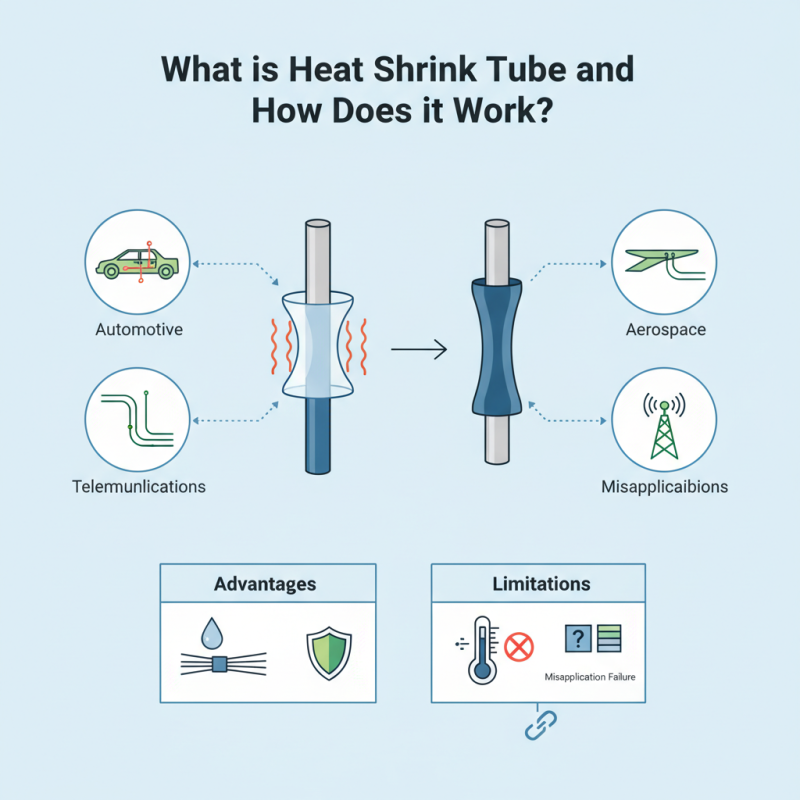
Heat Shrink Tube is a versatile solution in various industries, providing critical insulation and protection for wires and connections. According to a recent report from Research and Markets, the global heat shrink tubing market is projected to reach $2 billion by 2026. This highlights the growing dependence on effective cable management solutions in sectors like automotive, aerospace, and telecommunications.
The functionality of Heat Shrink Tube lies in its ability to contract when heated. This process creates a secure and moisture-resistant seal around wires and connectors. Despite its advantages, users must be cautious about installation temperatures and the types of materials involved. Misapplication can lead to failures in protection, affecting the system's integrity.
While Heat Shrink Tube offers many benefits, it is essential to consider the limitations. Not all heat shrink materials are suitable for every environment. Users should be aware of the specific needs of their applications. Ultimately, understanding these details can enhance the effectiveness and reliability of Heat Shrink Tubes in various installations.
What is Heat Shrink Tube?
Heat shrink tube is a versatile and essential component in various industries. This tube is typically made from materials like polyolefin or PVC. When exposed to heat, it contracts and tightly conforms to the object it surrounds. Its primary function is to provide insulation, protection, and strain relief for electrical connections and components.
According to a report by Grand View Research, the global heat shrink tubing market is expected to reach over $4 billion by 2025. This growth reflects the increasing demand in sectors like automotive, aerospace, and electronics. These industries prioritize durable, reliable solutions for protecting wiring and connections. Heat shrink tubes help prevent moisture, dust, and chemicals from causing damage.
Tip: Always choose the appropriate size for your application. An oversized tube may not provide adequate protection.
The application process involves heating the tube with a heat gun or similar tool. Care must be taken not to overheat, as this can damage the tube or the underlying components. Interestingly, while heat shrink tubes are reliable, improper installation can lead to failures in protection.
Tip: Test the seal after application to ensure it has conformed properly. This can prevent future issues in electrical connections.
What is Heat Shrink Tube and How Does it Work?
| Property | Description |
| Material | Polyolefin, PVC, or silicone |
| Shrink Ratio | 2:1, 3:1, or higher |
| Operating Temperature | -55°C to 125°C |
| Wall Thickness | 0.15mm to 3.0mm |
| Applications | Electrical insulation, mechanical protection, wire bundling |
| Flame Resistance | Yes, certain types are flame retardant |
| UV Resistance | Available in UV-resistant formulations |
| Color Options | Various colors including transparent, black, red, blue, green |
Types of Heat Shrink Tubes Available in the Market
Heat shrink tubes are essential in many electrical applications. Various types are available, each serving unique needs. The most common types include polyolefin, PVC, and fluoropolymer tubes. Polyolefin tubes provide excellent flexibility and are commonly used for insulation and protection. They are suitable for both indoor and outdoor applications. PVC tubes are cost-effective, making them popular for light-duty applications. Fluoropolymer tubes excel in high-temperature environments, offering superior resistance to chemicals.
Tips for choosing the right heat shrink tube include assessing the application environment. Consider temperature range and exposure to chemicals. Proper sizing is crucial, too. A snug fit ensures effective protection. Heat shrink tubes must fit tightly without being overly restrictive. This could lead to damage or ineffective insulation.
Visualize the installation process: heating the tube with a heat gun will cause it to shrink tightly over the wire or component. Be patient; overzealous heating can lead to burns or deformation. If unsure about shrink ratios and sizes, consult a professional. They can guide you in selecting the best option for your needs. Making informed choices can save time and money in the long run.
Types of Heat Shrink Tubes Available in the Market
Principle of Operation: How Heat Shrink Tubes Work
Heat shrink tubes are a practical solution for insulation and protection in various applications. Their operation relies on a fundamental principle: they shrink when heated. Typically made from polyolefin or PVC, these tubes are designed to respond to heat by contracting. When they are placed over wires or connectors, applying heat causes them to tighten. This creates a secure and moisture-resistant seal.
The effectiveness of heat shrink tubes lies in their material properties. As the tubing heats, it uniformly shrinks to tightly fit the object beneath it. This snug fit not only offers insulation but also shields the wires from environmental factors. Users often appreciate the durability and flexibility of the materials. However, one might notice that uneven heating can lead to inconsistent shrinking. This can result in vulnerable areas that require attention.
In real-world applications, considerations about heat sources are vital. A heat gun is often preferred, but care must be taken to avoid overheating. Improper heating may compromise the tube's integrity. Observing best practices, like testing on scrap material, can yield better results. Users should be cautious about their techniques. Experimentation might lead to unexpected outcomes, reminding them that perfection in application can take practice.
Applications of Heat Shrink Tubing in Various Industries
Heat shrink tubing is a versatile product widely used across various industries. Its primary function is to provide insulation and protection for wires and cables. A report from Grand View Research indicates that the global heat shrink tubing market is expected to grow significantly, driven by the increasing demand from the automotive and electronics sectors. In automotive applications, heat shrink tubing protects wiring harnesses against abrasion, moisture, and chemical exposure.
In the electronics industry, heat shrink tubing is essential for securing connections and preventing short circuits. It is often used to insulate solder joints and wire splices. The market for heat shrink products in the electronics sector is projected to expand as more manufacturers recognize the importance of reliability in their products. However, some industries may overlook the proper application techniques, resulting in the need to revisit and refine their processes, leading to inefficiencies.
Tips: Always ensure that the heat shrink tubing is properly sized for your application. Using tubing that’s too small can cause it to rip, while oversized tubing may not provide sufficient protection. Regularly review your techniques to optimize efficiency and performance. Keeping up with industry best practices is essential for maximizing the benefits of heat shrink solutions in any application.
Installation and Best Practices for Using Heat Shrink Tubes
When working with heat shrink tubes, it's essential to follow proper installation techniques for the best results. Start by preparing your wires. Make sure they are clean and free from oxidation. If necessary, strip the wire ends carefully, leaving just enough exposed copper for a solid connection. Select the right size of heat shrink tube for your application. It should fit snugly over the connection but not be too tight, as this can lead to failures later.
During installation, position the heat shrink tube over the area to be protected. Use a heat gun or other heat source to apply heat evenly. Move the heat source slowly along the tube. Avoid concentrating the heat in one spot, which can cause scorching or melting. Maintaining the correct distance from the heat source is critical. Too close may damage the tube or cable; too far may not shrink it properly.
Pay attention to the surrounding environment. Humidity and temperature can affect how the heat shrink adheres and forms around the wires. If the tube does not shrink properly, it may result in a poor seal that can lead to potential failure. Always test your connection after installation. This ensures that the heat shrink tube has formed a reliable barrier. Adjusting your methods based on these observations can improve future installations.




 Send Inquiry

