What is High Pressure Hose Fittings and Their Applications?
High Pressure Hose Fittings are essential components in various industries, from construction to automotive. Their primary function is to connect hoses securely while withstanding high-pressure fluid transfer. According to expert James H. Turner, a renowned engineer in fluid dynamics, “High Pressure Hose Fittings are the backbone of high-performance hydraulic systems.” This statement emphasizes their importance in ensuring safety and efficiency in demanding applications.
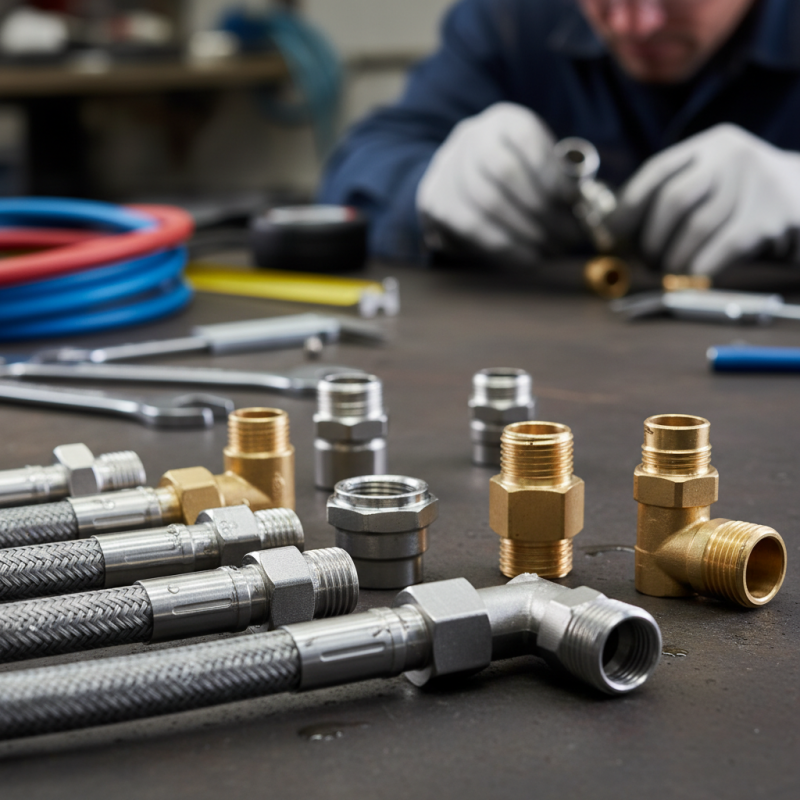
These fittings come in various types and materials, each suited for specific pressures and environments. For example, stainless steel fittings provide durability in corrosive settings, while brass fittings offer excellent performance in standard hydraulic applications. However, not all fittings are designed equally. Misapplication can lead to failures that pose serious risks.
While High Pressure Hose Fittings play a critical role in many operations, it's vital to appreciate the nuances of their selection and use. Pressure ratings, fitting types, and materials must match the intended application. Rushing this process can result in inefficiencies or even accidents. Understanding these elements helps ensure reliability and safety in leveraging High Pressure Hose Fittings for industrial applications.
Definition of High Pressure Hose Fittings
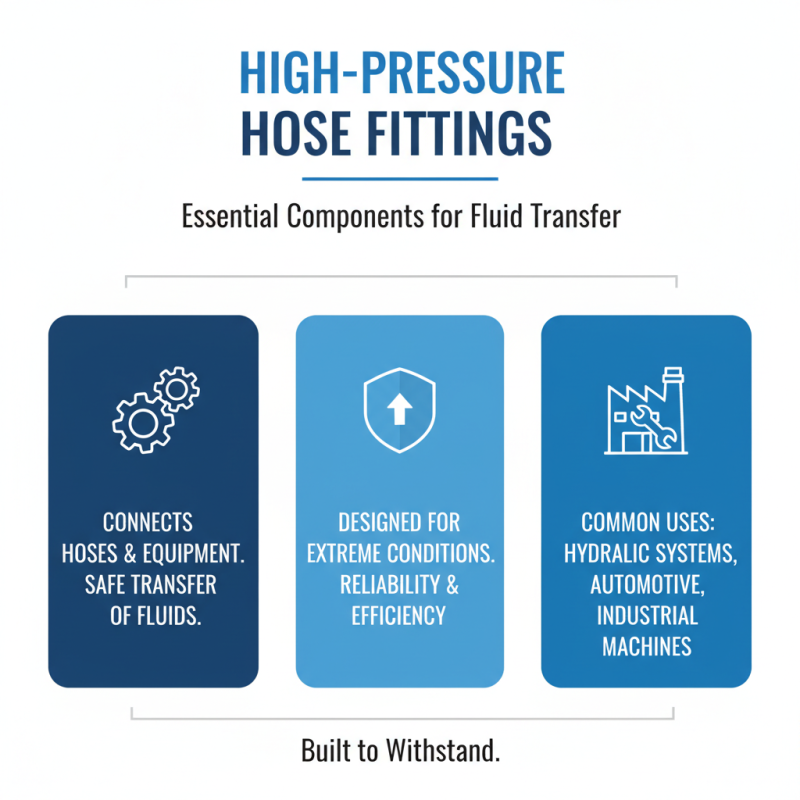
High pressure hose fittings are essential components in various industries. They connect hoses to different equipment, allowing the safe transfer of fluids under high pressure. These fittings are designed to withstand extreme conditions, ensuring reliability and efficiency. They are commonly used in hydraulic systems, automotive applications, and industrial machines.
Selecting the right fitting is crucial. Factors include the hose size, operating pressure, and the type of fluid being transferred. A mismatch can lead to leaks or failures. High quality fittings reduce the risk of accidents and downtime. Using fittings made from materials like stainless steel or brass can enhance durability.
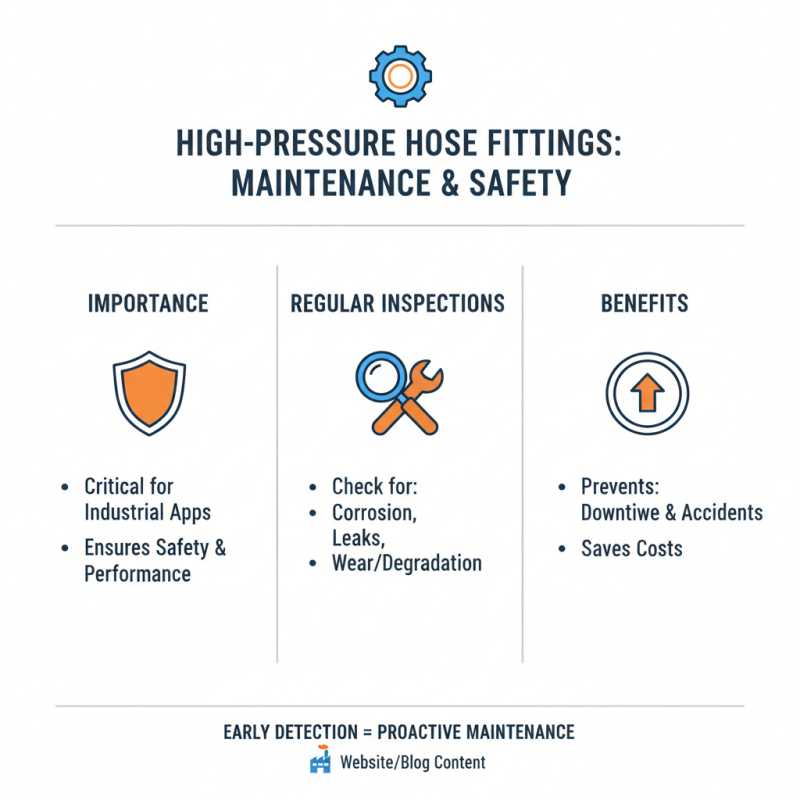
**Tips:** Regular maintenance on these fittings is vital. Check for signs of wear and tear frequently. Replace any damaged or corroded parts immediately. Proper installation is equally important. Follow manufacturer guidelines to ensure optimal performance.
Key Features and Specifications of High Pressure Hose Fittings
High pressure hose fittings are essential components in various industries, including oil and gas, construction, and manufacturing. These fittings are designed to withstand extreme pressures, typically ranging from 3000 to 6000 psi. Their ability to maintain integrity under high stress makes them crucial for safety and efficiency. According to recent industry reports, the demand for high-pressure fittings has grown by nearly 15% annually, driven by advancements in technology and increased industrial activities.
Key specifications of high pressure hose fittings include materials like stainless steel and brass, known for their strength and corrosion resistance. These fittings often feature designs that provide reliable sealing and minimize leakage. A common specification is the size range, which can vary from 1/4 inch to 2 inches in diameter. The fittings should also comply with standards set by organizations like SAE and ISO. Notably, improper selection of these fittings can lead to catastrophic failures; therefore, careful consideration is necessary when sourcing them.
Compatibility is another critical aspect. High pressure hose fittings must match the hoses they connect to avoid accidents. Inadequate matching can lead to premature wear or failure. Regular inspections and rigorous testing are recommended to ensure that fittings meet performance standards. Despite advancements in manufacturing, challenges remain in achieving consistent quality, emphasizing the need for continuous monitoring and improvement in production practices.
Common Materials Used in High Pressure Hose Fittings
High pressure hose fittings play a crucial role in various industries, including automotive, manufacturing, and construction. Understanding the materials used in these fittings is essential for ensuring safety and efficiency in their application. Common materials include stainless steel, brass, and carbon steel. These materials are chosen for their strength and resistance to corrosion, which is vital in high-pressure environments.
Stainless steel is widely preferred due to its excellent durability and resistance to rust. According to a report by the International Society of Automation, stainless steel fittings are less likely to fail under high pressure compared to other materials. Brass fittings are also popular; they offer good resistance to corrosion and are more cost-effective. However, they may not perform as well under extreme conditions. Carbon steel fittings provide strength but require careful handling to prevent rust.
**Tip:** Always consider the environment where the fittings will be used. For outdoor applications, stainless steel is often the best choice.
Another key factor is the temperature range of the fluid being transported. Materials must withstand both high pressures and temperature fluctuations. Research shows that improper material selection can lead to an increase in failure rates by over 30%. Understanding these nuances is critical for ensuring a reliable system.
**Tip:** Regularly inspect hose fittings for signs of wear. Early detection can help prevent accidents and costly downtime.
What is High Pressure Hose Fittings and Their Applications? - Common Materials Used in High Pressure Hose Fittings
| Material |
Properties |
Applications |
Pressure Rating (psi) |
| Stainless Steel |
Corrosion-resistant, durable |
Hydraulic systems, chemical processing |
Up to 10,000 psi |
| Brass |
Strong, malleable, anti-corrosive |
Water supply, gas lines |
Up to 6,000 psi |
| Aluminum |
Lightweight, good conductivity |
Aerospace, automotive |
Up to 3,000 psi |
| Plastic (PTFE) |
Chemical resistance, lightweight |
Food industry, pharmaceuticals |
Up to 2,000 psi |
Applications of High Pressure Hose Fittings in Various Industries
High pressure hose fittings play a critical role in various industries, connecting hoses securely and ensuring fluid transfer at elevated pressures. These fittings are essential in sectors like oil and gas, construction, and automotive. According to a report by MarketsandMarkets, the global market for high-pressure hoses and fittings is projected to reach $60 billion by 2025, driven by increasing demand in industrial applications.
In the oil and gas sector, high pressure hose fittings are vital for transferring fluids and gases safely. They withstand extreme pressure and temperature, preventing leaks that could lead to hazardous situations. Additionally, in the construction industry, these fittings support heavy machinery and equipment. They facilitate hydraulic systems that power cranes and excavators, showing their importance in everyday operations.
Tip: Always check compatibility when selecting high pressure hose fittings. Mismatched materials can lead to failures under pressure.
In automotive applications, these fittings connect fuel lines and hydraulic systems. Precision is crucial here; even small misalignments can affect performance and safety. Regular maintenance and inspections are necessary to prevent costly downtimes and ensure operational efficiency.
Tip: Conduct routine inspections of high pressure hose fittings. Look for signs of wear, corrosion, or leaks.




 Send Inquiry