High Speed Inspection Machine Tips for Optimal Performance
In today's fast-paced manufacturing environment, the High Speed Inspection Machine plays a crucial role in quality control. These machines enhance efficiency and ensure that products meet required standards. However, optimal performance is not merely about speed. It's about precision, reliability, and consistent output.
Many companies may overlook important factors. The setup of the High Speed Inspection Machine is vital for achieving desired results. Calibration should be done meticulously to avoid costly mistakes. Maintenance routines can often be neglected, leading to breakdowns. Inspectors also need proper training to leverage the technology fully. Without the right understanding, even the best machines can underperform.
Investing time in the right practices can lead to significant gains. Observing the performance regularly helps in identifying patterns. The goal is to create a balance between speed and quality. Sometimes, pushing for faster results may backfire. Reflecting on these elements may yield greater insights into the optimization of High Speed Inspection Machines.
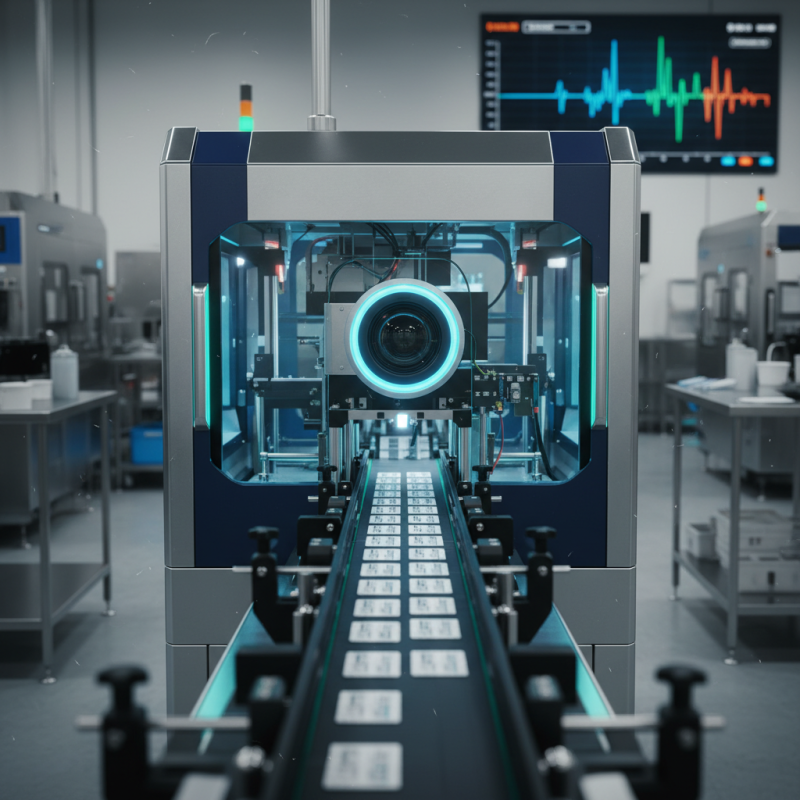
Understanding High-Speed Inspection Machines and Their Applications
High-speed inspection machines have transformed various industries. They are essential in sectors like pharmaceuticals, food, and electronics. These machines quickly identify defects in products. By doing so, they help maintain quality standards.
In practice, their setups can vary significantly. Some machines excel in visual inspections, while others focus on measuring dimensions. The efficiency of these machines often depends on factors like lighting conditions and camera resolution. It’s not uncommon to face challenges. For instance, environmental factors can cause inconsistent results. Regular calibration and adjustments are crucial to address these issues.
Operators must be well-trained to run these machines. Their role is vital in ensuring the machine operates optimally. However, human error can lead to oversight during inspections. Familiarity with common problems can enhance performance. Continuous learning and adaptation are essential for maximizing efficiency in high-speed inspection machines.
High Speed Inspection Machine Performance Metrics
This chart illustrates key performance metrics for high-speed inspection machines, including accuracy, speed, uptime, and cost efficiency. These metrics are crucial for evaluating the effectiveness of inspection machines in various applications.
Key Features to Look for in High-Speed Inspection Machines
When selecting high-speed inspection machines, several key features are vital for ensuring optimal performance. Consider the speed and accuracy of the machine. The right balance can significantly enhance productivity. A machine that processes items quickly but sacrifices precision is counterproductive. Always check the specifications to find a unit that meets both criteria.
Another important aspect is the user interface. A complicated interface can slow down operations. Ideally, the machine should have intuitive controls and clear displays. This helps operators manage inspections efficiently. Training time can also be reduced when the design prioritizes user experience.
Additionally, look into the machine’s scalability. As production needs grow, your inspection system should adapt accordingly. Machines that can be upgraded or expanded may save costs in the long run. However, ensure that these upgrades do not compromise the machine’s original functionality. Regular assessments and reflections on performance can guide future decisions, ensuring the inspection process remains robust and beneficial.
Best Practices for Calibrating and Maintaining Inspection Equipment
Calibrating and maintaining inspection equipment is crucial for achieving optimal performance in high-speed environments. Regular calibration ensures that the equipment produces accurate and reliable measurements. Operators often overlook the importance of this step. A lack of attention to calibration can lead to significant errors in inspections.
To maintain accuracy, clean the equipment regularly. Dust and debris can interfere with sensors and lenses. It’s best to establish a routine maintenance schedule. Inspect wear and tear on components frequently. A worn-out part may cause inconsistencies in inspection results. Keeping spare parts on hand can minimize downtime.
Training personnel is equally important. Well-trained operators handle equipment better and notice issues early. However, even experienced staff can make mistakes. Regular review sessions can reinforce best practices. Encourage a culture of reporting problems without fear. This transparency fosters improvement. Remember, a single oversight can lead to costly errors in production.
Common Challenges and Solutions in High-Speed Inspections
In high-speed inspections, common challenges can hinder performance. One challenge is inconsistent product alignment. Misaligned items can lead to incorrect readings. This results in delays and costly errors. Regular calibration can help, but it's not foolproof. Operators must remain vigilant and adjust settings as needed.
Another issue is the sensitivity of inspection equipment. High-speed machines can struggle with varying speeds and product types. Filters can become clogged quickly, affecting accuracy. Routine maintenance is essential, but some equipment may still fail under pressure. Training staff to recognize warning signs is vital.
Lastly, managing data from inspections can be overwhelming. High-speed machines generate vast amounts of information. Without proper analysis tools, valuable insights can be lost. Simplified reporting can help, but it needs constant refinement. This process requires open communication within teams to ensure all angles are considered.
Tips for Training Operators to Maximize Machine Efficiency
Training operators effectively is crucial for maximizing the efficiency of high-speed inspection machines. Studies show that well-trained personnel can improve machine uptime by up to 25%. This increase in productivity stems from operators knowing how to quickly reset machines and troubleshoot minor issues.
Tips for better training include hands-on demonstrations. Operators should practice with the machines under supervision. Real-time feedback helps them understand their mistakes. Interactive learning can also engage staff more effectively than traditional methods.
Another important aspect is the establishment of clear protocols. Providing operators with easy-to-follow guides can clear up common misunderstandings. Reports indicate that miscommunications can lead to machine errors, costing companies thousands in downtime. Regularly updating these guidelines to reflect the latest technology can further enhance performance.
Operators should also have access to ongoing training. The industry recommends monthly refresher courses. This practice keeps skills sharp and knowledge current. Creating a culture of continuous improvement can foster better problem-solving capabilities among staff. Regular assessments help identify knowledge gaps, allowing for targeted training sessions.



 Send Inquiry

