
GST : 27AAFFV7667M1ZA

Call us
08045801431
Call us
08045801431

Choosing a Lithium Vacuum Cleaner is not simply about selecting the model with the highest battery voltage. A cordless vacuum must match your floors, cleaning habits, and storage space. Consider whether your home has thick carpets, delicate wood, scattered pet hair, or narrow stairs. Small details matter. A lightweight handle may feel comfortable at first, but poor balance can strain your wrist after several rooms.
A dependable comparison should examine battery capacity, charging time, real-world runtime, suction performance, filtration, brush design, noise, dustbin size, and replacement-part availability. Manufacturer claims often reflect ideal laboratory conditions. Try to compare performance on visible debris, fine dust, carpet fibers, and hard floors. A vacuum advertised for 40 minutes may deliver only 10 minutes in maximum mode with a motorized brush attached. That difference affects everyday convenience. Check whether the filter is washable and whether the battery can be replaced safely.
This guide focuses on practical evidence rather than impressive specifications alone. Certifications, warranty coverage, thermal protection, and clear maintenance instructions can reveal how seriously a brand treats reliability. Do not confuse higher wattage with stronger cleaning results. More power is not always better. The most suitable Lithium Vacuum Cleaner may offer moderate suction, quiet operation, balanced weight, and affordable parts. There is no universal winner. Your cleaning routine decides the better choice, although personal priorities can be difficult to measure precisely. That is the part worth reconsidering.
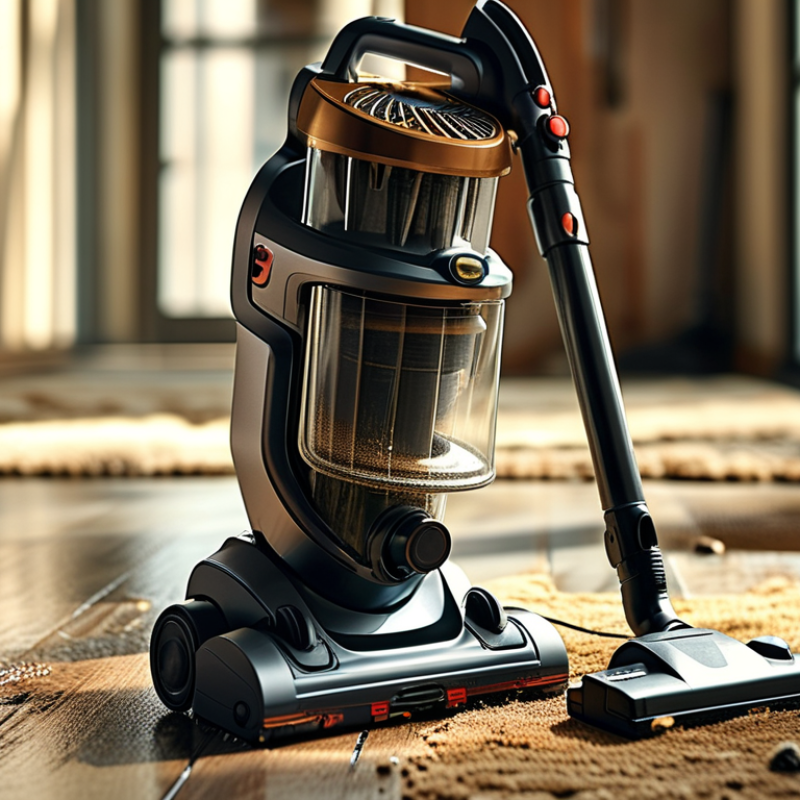
How to Choose a Lithium Vacuum Cleaner?
What Is a Lithium Vacuum Cleaner?
A lithium vacuum cleaner is a cordless cleaning device powered by a rechargeable lithium-ion battery. It stores energy in battery cells, then drives a motor without a wall outlet. This design makes it useful for stairs, cars, small apartments, and quick spills. In practical use, the machine feels lighter without a power cable, but battery weight still matters.
Look beyond the word “lithium.” Check the battery capacity, charging time, expected runtime, and replacement options. A higher capacity may support longer cleaning, yet it can also increase weight. Suction power matters on carpets, while airflow and brush design often affect hard-floor performance. A washable filter can reduce running costs, but it still needs regular drying and careful maintenance. I have found that advertised runtime may assume the lowest power setting. Real cleaning often consumes more energy.
Tips: Test the handle balance before buying. Choose a model that stands securely or stores safely. Check whether the battery is removable and available locally. Empty the dust container after each use, especially when fine dust fills it quickly. Keep charging contacts dry, and avoid using a damaged battery. A small home may not need maximum power. Sometimes, easier handling is the better choice.
Lithium battery technology gives vacuum cleaners portable power without a trailing cable. A lithium-ion cell stores energy through reversible chemical reactions. The battery management system controls charging, temperature, and discharge. This matters when the motor suddenly demands high current. A weak system may cause power drops, heat, or shorter service life. I have found that steady suction feels more useful than a high peak rating.
The International Energy Agency reported that global electric-vehicle battery demand exceeded 750 GWh in 2023. This scale supports continuing improvements in lithium-ion manufacturing and energy density. BloombergNEF reported an average lithium-ion pack price of 139 US dollars per kWh in 2023. Vacuum cleaners may not use automotive-grade packs, but the same manufacturing progress can reduce weight and improve runtime. Check watt-hours, not only voltage. Watt-hours estimate stored energy. Runtime also depends on motor efficiency, airflow resistance, floor type, and filter condition. Numbers can mislead.
Tips: Choose a replaceable battery when possible. Compare watt-hours with tested runtime on normal mode. Look for a clear battery warranty and thermal protection. A 25-minute claim may exclude boost mode. Ask whether the filter stays washable and accessible. IEC 62885-2 testing methods can help compare cleaning performance, but household results still vary. I would not choose the largest battery automatically. It can add hand fatigue, and that small detail is easy to overlook.
How to Choose a Lithium Vacuum Cleaner?
Key Features to Consider Before Buying
A lithium vacuum cleaner should match your home, not just advertise strong suction. Check the battery’s voltage, capacity, and tested runtime. A larger capacity may provide longer cleaning, but it can also increase weight. Look for a removable battery if you clean several rooms at once. Charging time matters too. A three-hour wait can become frustrating after a quick spill. In my experience, real-world runtime is often shorter than the maximum figure. Manufacturers usually test on the lowest power setting.
Pay close attention to filtration and airflow. A sealed system with a high-efficiency filter can reduce fine dust returning to the room. This matters in homes with pets, carpets, or sensitive occupants. Examine the dustbin size and emptying method. A tiny bin fills quickly, while a complicated release button creates unnecessary mess. Useful attachments should include a crevice tool, upholstery brush, and floor head suited to your surfaces. Do not assume more accessories mean better cleaning.
Tips: Test the handle height before buying. Your wrist should stay relaxed. Check whether the battery and filter are replaceable. Read the warranty terms and cleaning instructions carefully. A cleaner may feel powerful in a showroom, yet perform poorly on thick rugs. That possibility deserves attention.
| Feature | Recommended Benchmark | Why It Matters | What to Check Before Buying | Potential Trade-Off |
|---|---|---|---|---|
| Battery Chemistry | Lithium-ion battery with a built-in battery management system | Lithium-ion batteries generally offer a good balance of energy density, weight, rechargeability, and usable runtime. | Look for protection against overcharging, over-discharging, overheating, and short circuits. | Battery performance can decline gradually with age and repeated charging cycles. |
| Battery Capacity | Approximately 2,000–3,000 mAh for compact handheld models; approximately 2,000–4,000 mAh per pack for many cordless household models | Higher capacity can support longer cleaning sessions, provided the motor and airflow are efficiently designed. | Compare watt-hours where available: Wh = volts × amp-hours. Do not judge runtime by mAh alone. | A larger battery usually adds weight, charging time, and cost. |
| Realistic Runtime | At least 20–30 minutes in standard mode for routine cleaning; longer for low-power modes | Runtime determines whether the cleaner can complete the intended task without an interruption. | Check runtime by power mode and floor-head attachment rather than relying only on the maximum advertised figure. | Maximum-power operation can reduce runtime significantly. |
| Charging Time | Approximately 3–5 hours for a full charge is common among cordless household designs | Shorter charging time improves convenience, especially when the cleaner is used frequently. | Confirm the full-charge time, charger type, charging indicators, and whether the battery can be charged separately. | Fast charging may increase heat and can require more advanced battery controls. |
| Suction and Airflow | Compare measured suction or airflow figures under the same test conditions; avoid using advertised watts as the only indicator | Cleaning performance depends on the combined design of the motor, airflow path, seals, filter, and floor head. | Look for independent test results or clearly defined measurements at the nozzle or cleaner head. | Higher power settings generally consume more battery energy and may create more noise. |
| Filtration | Washable pre-filter plus a sealed fine-particle filter; HEPA filtration is useful for many allergy-sensitive households | Effective filtration helps capture fine dust and reduces the amount of collected material released through the exhaust. | Check whether the filtration system is sealed and whether replacement filters are available. | Fine filters can restrict airflow when dirty and require regular cleaning or replacement. |
| Dustbin Capacity | Approximately 0.4–0.8 liters for many cordless stick models; smaller capacities are common in handheld units | A larger dustbin reduces emptying frequency during whole-home cleaning. | Check usable capacity, one-touch emptying, dust exposure during disposal, and whether the bin is washable. | A larger bin may make the cleaner heavier or less compact. |
| Weight and Balance | Prefer a lightweight handheld body and a balanced center of gravity; approximately 1.5–3.5 kg is common for many cordless stick configurations | Lower perceived weight reduces arm and wrist fatigue during stairs, furniture, and overhead cleaning. | Hold the cleaner in-store if possible and check the weight with the tube, floor head, and battery attached. | Lighter models may have smaller batteries, dustbins, or motors. |
| Floor Compatibility | Adjustable suction and a suitable brush roll for hard floors, rugs, and carpets | Different surfaces need different agitation levels and cleaning head designs to collect debris without causing damage. | Confirm whether the brush roll can be switched off or adjusted for delicate hard floors. | A highly aggressive brush roll can increase noise and may not suit delicate surfaces. |
| Brush Roll and Hair Management | Removable brush roll with anti-tangle features or easy manual cleaning | Hair and fibers can wrap around the brush roll, reducing agitation and increasing motor load. | Check access to the brush roll, included cleaning tools, and the cost of replacement parts. | More complex anti-tangle mechanisms may increase maintenance or purchase cost. |
| Noise Level | Prefer a clearly stated sound level; approximately 70–80 dB(A) is a common range for many powered vacuum cleaners | Lower noise makes frequent cleaning more comfortable and less disruptive. | Check the test mode, measurement distance, and whether the figure includes the powered floor head. | Quiet operation may involve lower airflow, additional insulation, or higher engineering costs. |
| Battery Replaceability | User-replaceable or serviceable battery with replacement availability | A replaceable battery can extend the useful life of the cleaner and reduce electronic waste. | Verify battery price, availability, installation method, and expected warranty coverage. | Replaceable battery systems may add weight or require a more secure housing. |
| Controls and Convenience | Easy-to-reach power controls, multiple power modes, battery indicator, and comfortable grip | Clear controls help users select the right balance between cleaning performance and runtime. | Check whether continuous operation requires holding a trigger and whether controls are visible while cleaning. | More electronic features can increase complexity and repair costs. |
| Accessories | Crevice tool, upholstery tool, dusting brush, and a suitable floor head | The right attachments determine how effectively the cleaner handles furniture, corners, stairs, and vehicles. | Confirm which tools are included, how they are stored, and whether compatible replacements are sold separately. | A large accessory set can increase storage needs without improving everyday cleaning. |
| Maintenance and Parts | Washable filters, accessible brush roll, clear maintenance instructions, and available consumable parts | Regular maintenance helps preserve airflow, suction performance, hygiene, and battery efficiency. | Check filter-cleaning intervals, drying requirements, replacement costs, and service support. | Models with more washable components may require additional drying time between uses. |
| Safety and Certification | Clear electrical safety information, compliant charger, thermal protection, and appropriate regional certification | Certified charging and protection systems reduce the risk of electrical, thermal, and battery-related hazards. | Use the supplied charger, follow storage instructions, and inspect the battery for swelling or damage. | Safety-focused designs may cost more but are important for long-term use. |
| Warranty and Total Cost | At least 1–2 years of product coverage, with clearly stated battery and accessory terms | The purchase price does not include future batteries, filters, brush rolls, chargers, or repairs. | Compare warranty exclusions, battery coverage, return conditions, and the price of essential replacement parts. | A lower initial price may result in higher ownership costs over time. |
Buying Tip: Choose a lithium vacuum cleaner according to your floor type, cleaning area, desired runtime, and willingness to perform regular maintenance. Compare independently measured performance whenever possible.
Battery life should follow your home, not a product label. Measure your usual cleaning area and note carpets, rugs, stairs, and hard floors. A small apartment may need 20 to 30 minutes of practical runtime. A larger home, thick carpet, or pet hair often needs more. Turbo mode drains power quickly. I once trusted an advertised runtime and stopped halfway through a hallway. That mistake changed how I compare cleaners.
Look for tested runtime in the modes you actually use. Standard mode may clean hard floors efficiently, while maximum power can reduce runtime by half. Removable batteries help busy households, but replacement costs and charging time matter. Lithium batteries also lose capacity with age, heat, and repeated deep discharges. Check the manual for charging guidance and published test conditions. Claims are useful, but they are not promises.
Tips: Track one normal cleaning session with a timer. Add five minutes for stairs, corners, and emptying the dust bin. Choose a vacuum that exceeds your measured need by roughly 20 percent. This buffer reduces rushed cleaning and frequent recharging. If your home has multiple levels, consider a second charged battery. I would also test the cleaner after several weeks, because real dust loads can expose weak runtime.
Choosing a lithium vacuum cleaner requires more than checking suction power.
Safety begins with the battery system. Look for protection against overcharging, overheating, and short circuits. IEC 60335-2-2 and UL 1017 provide useful safety benchmarks for household vacuum cleaners. UL Research Institutes explains that damaged lithium cells can release heat and gas rapidly during thermal runaway. Therefore, avoid models with swollen batteries, cracked housings, or unusually hot chargers. Small details matter.
Maintenance affects both safety and long-term value.
A washable filter reduces replacement costs, but it still needs regular drying before reuse. For allergy-sensitive homes, EPA guidance states that true HEPA filtration can capture 99.97% of particles measuring 0.3 microns. However, the whole airflow system matters. A HEPA label alone proves little. Check seals, pre-filters, brush-roll access, and dust-bin capacity. Hair wrapped around a brush can increase motor strain. It is easy to forget this.
Compare battery replacement prices before comparing discounts.
An 80-watt-hour battery delivering 30 minutes suggests roughly 160 watts of average use, though real performance varies. The International Energy Agency reported a 14% decline in lithium-ion battery pack prices during 2023, yet retail replacement costs may remain high. Calculate purchase price, filters, battery life, and repair access over five years. A cheaper cleaner may become expensive after two battery replacements. I would also question impressive runtime claims, because testing often uses the lowest power setting. Some uncertainty remains.



For an immediate response, please call this
number08045801431

Price:
 Send Inquiry