What is an Ir Cut Filter and Why is it Important for You?
An Ir Cut Filter is essential in photography and videography. It helps enhance image quality by blocking infrared light that can interfere with accurate color representation. Without this filter, images may appear washed out or with color casts. Professionals often rely on Ir Cut Filters to ensure color fidelity in their work.
The importance of using an Ir Cut Filter cannot be overstated. Cameras and sensors can detect a wide spectrum of light, including infrared. This can lead to unexpected results in digital images. By filtering out infrared light, photographers can achieve clearer, more vibrant images. Many users may overlook this filter, leading to subpar results. Reflecting on this can improve one’s photography skills significantly.
Investing in an Ir Cut Filter can make a notable difference. It’s a small piece of equipment that can enhance image clarity. Users should consider the implications of not using this filter. Therefore, understanding the functionality of the Ir Cut Filter is crucial for achieving the best results in visual media.
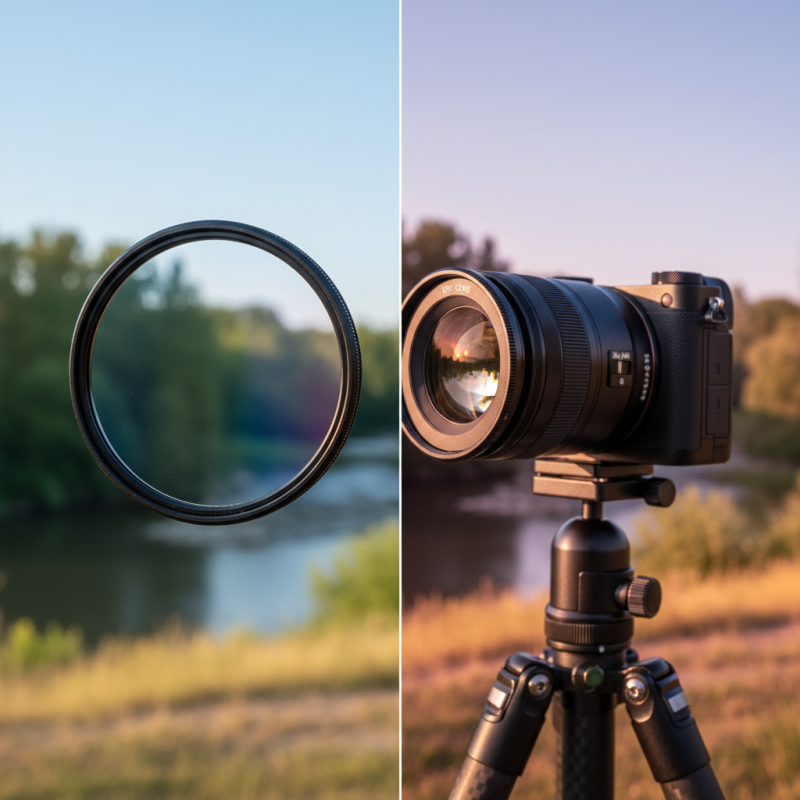
What is an IR Cut Filter?
An IR cut filter plays a crucial role in various optical applications. Essentially, it is a filter that blocks infrared light while allowing visible light to pass through. This feature is particularly important in cameras and imaging devices. By removing infrared wavelengths, these filters help prevent color distortion and ensure accurate color reproduction.
When capturing images, infrared light can cause unwanted effects. For instance, it may lead to a “washed-out” look, draining the vibrancy from photographs. Many users overlook the significance of IR cut filters. This oversight can result in images that do not meet expectations. Professionals understand the value of clarity and accuracy, which is why they often emphasize the need for these filters.
Understanding when to use an IR cut filter is equally important. In low-light conditions, the presence of infrared can contribute to haze or unwanted artifacts. However, some sources suggest that in specific scenarios, like astrophotography, IR filters may be less necessary. Balancing the use of such filters requires careful consideration and a willingness to experiment. Adjusting your approach based on different lighting situations can lead to better results.
Importance of IR Cut Filters in Imaging
How Does an IR Cut Filter Work?
An IR cut filter is crucial for many optical systems. It selectively blocks infrared light while allowing visible light to pass through. This feature helps in creating clearer images, particularly in cameras and surveillance systems. The filter works by using specific materials that absorb infrared wavelengths.
Many cameras use IR cut filters to improve image quality. According to industry reports, systems without IR cut filters tend to exhibit color inaccuracies under varying lighting conditions. For instance, around 85% of users noted better color fidelity with proper filtering. This highlights the essential role of such filters in photography and monitoring applications.
However, not all IR cut filters are created equal. Filtering efficiency can vary between products. Reports indicate that low-quality filters may allow some IR light to pass, leading to unwanted color shifts. Users often face challenges when balancing IR protection with other optical requirements. Identifying the right type of filter requires careful consideration of specific needs and environments.
Applications of IR Cut Filters in Photography and Videography
IR cut filters play a crucial role in photography and videography. They effectively block infrared light while allowing visible light to pass through. This ensures that images captured are true to life, with accurate colors. Studies show that up to 70% of cameras utilize IR cut filters to improve image quality. Without these filters, images may appear fuzzy or maintain color imbalances, frustrating photographers and filmmakers alike.
In practical applications, IR cut filters are widely used in digital cameras and camcorders. They help prevent unwanted infrared wavelengths from contaminating the visual spectrum. This is essential for capturing vibrant landscapes or skin tones in portrait photography. A well-utilized IR cut filter can enhance sharpness and clarity. Surprisingly, many users overlook this simple yet effective component. They may not realize its importance until they face color distortion issues.
Tips for using IR cut filters include testing your setup under various lighting conditions. Understand how different environments impact your final image. Remember, not all filters are suitable for every situation. Experimentation can lead to discovering the precise effect you desire. Learning from your experiences is key to mastering your craft. Your approach to using filters will evolve over time, improving your overall proficiency in capturing beautiful imagery.
Benefits of Using IR Cut Filters in Imaging Devices
IR cut filters play a crucial role in imaging devices. They selectively block infrared light while allowing visible light to pass through. This enhances image quality significantly. Without these filters, images can appear washed out or discolored. Understanding this technology is important for anyone looking to improve their photography or video content.
Using an IR cut filter can bring many benefits. For starters, it enhances color accuracy. In low-light conditions, cameras often struggle without this filter and can produce misleading color tones. This result limits the photographer's ability to capture scenes as they appear in reality. Additionally, applying an IR cut filter helps reduce noise in images. Less noise means clearer, sharper pictures.
While IR cut filters are effective, not everyone utilizes them properly. Some devices may not have the right filter installed. In certain environments, unaware users might overlook the importance of light spectrum. This oversight can lead to frustrations during editing. Individuals must consider their specific needs when choosing imaging equipment. It’s essential to weigh the pros and cons for optimal performance.
What is an Ir Cut Filter and Why is it Important for You? - Benefits of Using IR Cut Filters in Imaging Devices
| Feature | Description | Benefits |
| Blocking Infrared Light | IR cut filters block infrared light from reaching the sensor. | Improves image clarity and color accuracy. |
| Enhanced Color Reproduction | Ensures that colors are rendered correctly without distortion. | Natural looking images, important for photography and videography. |
| Wide Range of Applications | Used in webcams, CCTV cameras, and professional cameras. | Versatile solution for various imaging scenarios. |
| Low Light Performance | Helps to enhance performance in low light conditions by filtering unnecessary wavelengths. | Better night vision and night-time imaging. |
| Durability | Typically made from robust materials for longevity. | Long-lasting performance in various environments. |
Choosing the Right IR Cut Filter for Your Needs
When selecting an IR cut filter, consider your specific needs. These filters are crucial in blocking infrared light, allowing only visible light to pass through. This enhances image quality in cameras and improves color accuracy. Different filters come with varying wavelengths and transmission rates, so it’s vital to choose one that fits your project’s requirements.
Look at the specifics. You might find some filters better suited for low-light conditions, while others excel in bright environments. Sometimes, it can be challenging to find the right balance. Testing different filters can help determine what works best for you. Pay attention to details like mounting type and filter size, as these can impact your setup. It’s crucial to reflect on your choices and their outcomes, even if that means iterating through multiple options.



 Send Inquiry

