
GST : 27AAFFV7667M1ZA

call images

Call us

08045801431

Jump Box Buying Guide 7 Tips for Global Buyers

Buying a Jump Box can feel simple until a cold morning, weak battery, or remote road exposes a poor choice. Global buyers face more than price differences. They must compare engine compatibility, battery capacity, safety systems, charging options, climate performance, portability, and warranty support.

Automotive engineer and educator Jason Fenske offers a useful reminder: “A tool is valuable only when you understand its limits before an emergency.” That principle shapes this guide. A high peak-current number may look impressive, yet it does not guarantee reliable starting power. Cable thickness, clamp quality, internal battery design, and operating temperature matter too. Sometimes, the smallest printed detail matters most.

This buying guide presents seven practical tips for choosing a Jump Box across different markets. It examines whether the unit suits petrol or diesel engines, compact cars or larger vehicles. It also considers USB charging, airline restrictions, regional plug compatibility, and storage conditions. Buyers should check recognized safety testing and follow the manufacturer’s instructions. Local standards may differ, so product documentation deserves careful attention.

Experience also suggests leaving room for doubt. Marketing claims are not always comparable. “Peak amps” can describe a brief measurement, not everyday performance. A model that works well in a warm showroom may struggle after months in a hot vehicle or freezing garage. The right decision is rarely the most powerful one. It is the model that matches the vehicle, climate, user skill, and expected emergency conditions. This guide helps make that choice with clearer evidence and fewer expensive surprises.
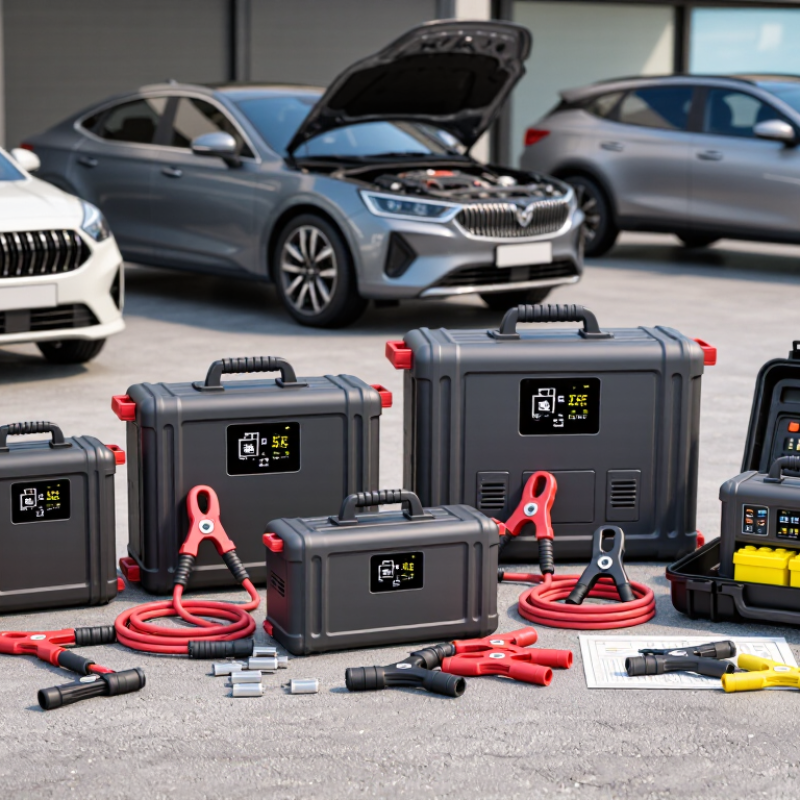
Jump Box Buying Guide 7 Tips for Global Buyers

Define Jump Box Types and Their Intended Uses

Jump boxes are not one universal tool. Compact lithium-ion units suit passenger cars, motorcycles, and occasional roadside use. They are light, often under 2 kilograms, and fit inside a glove compartment. Heavy-duty lead-acid units provide stronger reserve capacity for trucks, agricultural equipment, and workshop fleets. Capacitor-based starters use a weak battery’s remaining energy, but they may perform poorly when the battery is completely flat. That distinction matters.

The IEA’s Global EV Outlook 2024 reported more than 14 million electric cars sold globally in 2023. However, most electric vehicles still use a separate 12-volt system for starting electronics. A jump box for that system is not a traction-battery charger. Buyers should check voltage, peak current, cable length, clamp insulation, and operating temperature. A high peak-current figure can look impressive. It does not always reflect reliable cold-start performance.

Tip: Match the box to the engine, climate, and duty cycle. A small petrol car in a warm region needs less reserve than a diesel truck in northern winters. Check published testing conditions, not only marketing numbers. In practical purchasing work, specifications are often difficult to compare. I would also inspect recharge time, storage loss, and replacement-battery access. These details feel minor until a fleet vehicle sits outdoors overnight. A marine user should seek corrosion resistance and sealed construction. That choice can be more important than maximum amperage.

Check Battery Capacity, Starting Power, and Safety Features

When buying a jump box for international use, start with battery capacity, not appearance. A compact case may hide a weak reserve. Compare usable watt-hours, not only the advertised milliamp-hour figure. Capacity affects repeated starts, cold mornings, and the time between charges. A 12-volt unit rated around 10,000 to 20,000 mAh may suit occasional emergency use, but vehicle size matters more.

Check the details. Starting power needs careful reading. Peak current sounds impressive, yet cranking current is more useful for comparison. Match the unit to the engine type and local climate. A small gasoline car usually needs less power than a large diesel vehicle, especially below freezing. Leave a safety margin instead of choosing the smallest acceptable rating.

Do not trust one number. Confirm voltage compatibility and polarity protection before connecting the clamps.

Safety features protect the vehicle and the person using it. Look for reverse-polarity alerts, short-circuit protection, over-temperature control, spark-resistant clamps, and automatic shutoff.

A clear charge indicator helps outdoors or when instructions are translated. Global buyers should also check plug compatibility, charging voltage, certification documents, and local warranty support. Store the unit away from heat and recharge it every few months. Product labels can still confuse peak and continuous ratings. I sometimes favor a heavier unit for stronger protection, although portability suffers. That trade-off deserves honest consideration.

Compare Portability, Durability, and Charging Options

When comparing jump boxes, start with portability rather than advertised peak power. I have carried bulky units across parking lots, and the weight quickly becomes frustrating. A practical model should fit under a seat or inside a small tool case. Check its weight, handle shape, cable length, and clamp storage. Short cables may feel tidy, but they can make awkward battery positions harder to reach.

Charging options matter during travel. USB-C charging is convenient because many travelers already carry compatible adapters. A 12-volt vehicle socket can provide a useful backup, but charging may be slow. Some units also include USB ports for phones or work lights. Check input voltage ranges before international use. Plug shapes differ, and a travel adapter may not regulate voltage. That detail is easy to miss.

Durability depends on more than a rubber cover. Look for protected terminals, strong hinges, sealed buttons, and clear battery indicators. Cold weather can reduce available output, while heat may shorten battery life. A storage case helps prevent cable damage in a crowded trunk. I prefer testing the cables and display before an emergency, not during one. Still, a high protection rating does not guarantee careless handling will be harmless. Read the manual, inspect the battery regularly, and replace damaged leads promptly.

Verify Compatibility, Certifications, and Regional Voltage Standards

When buying a jump box for international use, compatibility deserves more attention than peak starting current.

Check the vehicle’s battery chemistry, voltage, engine size, and terminal layout before comparing models. A unit designed for a 12-volt system may be unsuitable for specialized 24-volt equipment. Read the manual, not only the product label.

In workshop testing, cold batteries and corroded clamps often expose weaknesses that showroom specifications hide. That detail matters.

Certification marks should be traceable to an accredited testing body, with a valid certificate number or public record.

Check protection against reverse polarity, short circuits, overcurrent, overheating, and accidental sparking. A compliance logo without supporting documents is not enough.

Ask the supplier for test reports, safety data, warranty terms, and production batch information. Vague answers usually create more risk than a slightly higher purchase price.

Still, paperwork can become outdated. Verify the document’s model number and issue date.

Regional voltage standards matter when the jump box includes a wall charger.

Confirm the charger’s input range, plug type, frequency, and approved charging method for each destination. A charger rated only for 110 volts should not connect to a 230-volt outlet without suitable certified equipment.

Do not assume a travel adapter changes voltage. It usually does not.

Keep the box dry, inspect cable insulation, and store it within the stated temperature range.

My buying checklist is not perfect; I once overlooked storage temperature and had to revise it. That mistake was useful.

Evaluate Suppliers, Warranty Terms, and Total Import Costs

A jump box is a battery product, so supplier evaluation must go beyond unit price. Request UN 38.3 test evidence, production inspection records, and a sample from the actual batch. Check peak current, battery capacity, cable length, clamp heating, recharge time, and performance at 0°C. Small labels matter. Missing watt-hour data can delay customs clearance or create avoidable questions.

Warranty terms should define more than “12 months.” Ask whether coverage includes battery degradation, failed charging ports, swollen cells, and accessories. Require a written replacement process, response time, and evidence requirements. A two-year warranty sounds attractive, but it may exclude the battery after six months. That detail can change your real cost. The World Bank’s 2023 Logistics Performance Index shows that customs, tracking, infrastructure, and timeliness strongly affect delivery reliability, not merely freight rates.

Build a landed-cost sheet before ordering. Include product value, packaging, inspection, inland transport, ocean or air freight, insurance, duties, VAT, broker fees, storage, and possible returns. UNCTAD’s Review of Maritime Transport 2024 reported 2.4% growth in seaborne trade during 2023, while route disruptions continued to pressure schedules and freight pricing. Battery shipments may also require specialized handling. I once underestimated return freight; one defective sample became three separate charges. Leave a contingency margin of 8–12%. It may still be insufficient.

Back to top
