Top Mud Pump Piston Rod Features Buyers Should Know About?
When considering the Mud Pump Piston Rod, understanding its features is crucial for buyers. This component plays a vital role in mud pumps, which are essential in drilling operations. A durable and reliable piston rod ensures efficient performance and longevity of the mud pump system. Buyers should look for specific characteristics that enhance the rod's functionality and resilience.
The materials used in manufacturing the Mud Pump Piston Rod significantly affect its performance. High-quality steel is often recommended for its strength and resistance to wear. Additionally, surface treatments can improve durability. Knowing these factors can prevent costly failures and downtime. Many users support this insight based on their experiences.
It’s important to acknowledge that not all piston rods are created equal. Variations in design may lead to performance discrepancies. Buyers should be meticulous in their choices. Ultimately, investing time in understanding these features can lead to better operational efficiency and reduced maintenance costs. Ensuring the right fit means less hassle and more productive drilling operations.
Key Characteristics of Mud Pump Piston Rods for Buyers
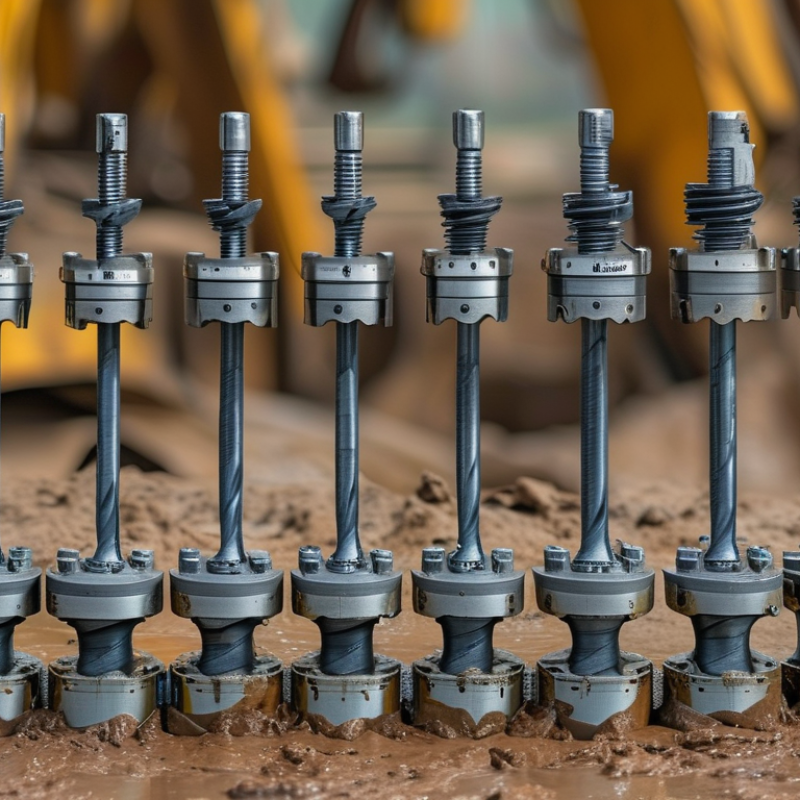
When considering mud pump piston rods, buyers should focus on key characteristics that influence performance and longevity. A crucial feature is the material composition. High-strength alloys or chrome plating can enhance corrosion resistance. Ensure the rod can withstand harsh environments. Durability is vital. It impacts not just replacement costs, but also efficiency in operations.
Another critical aspect is the rod's diameter and length. The correct dimensions ensure compatibility with the pump and optimal fluid movement. Mismatches can lead to increased wear and tear, resulting in costly downtime. Rigid quality control during manufacturing enhances product reliability, reducing these risks.
Tips for buyers include always reviewing manufacturing processes. Understanding how rods are produced gives insight into their reliability. Ask about testing methods that ensure each rod meets industry standards. Regularly inspect rods for signs of wear, like pitting or deformation. Early detection of issues can prevent larger problems later. Consider seeking advice from experts familiar with the specific conditions of your operation. Their insights can guide you towards making the best choice.
Understanding the Materials Used in Mud Pump Piston Rods
When exploring mud pump piston rods, the materials used are paramount. These rods typically feature high-quality steel, often alloyed for enhanced durability. A study from the American Petroleum Institute emphasizes that the right material can reduce wear and tear, increasing the operational lifespan significantly. Stainless steel and chrome-plated variants are common due to their resistance to corrosion and wear.
Understanding the properties of these materials is crucial. For example, hardened steel provides excellent strength but can be prone to cracking under extreme conditions. Conversely, softer materials might wear out more quickly. A comprehensive report indicated that select alloys can enhance fatigue resistance by up to 30%. This statistic highlights the importance of material selection in heavy-duty applications.
When evaluating options, consider compatibility with your specific mud mixture. Different formulations can affect the rod's performance and longevity. Ensure to assess not only the material but also the manufacturer's data regarding fatigue testing and quality control measures.
Reflecting on the industry's evolution, many buyers still overlook material specifications in favor of cost. This can lead to higher replacement rates. Understanding these nuances is vital for making informed decisions that balance cost against performance and longevity.
Performance Metrics to Consider When Choosing Piston Rods
When selecting piston rods for mud pumps, several performance metrics warrant attention. Key aspects include tensile strength and fatigue resistance. A robust piston rod must withstand high pressure and repeated stress during operation. Weak rods can lead to failures, resulting in costly downtime. Buyers should prioritize materials known for durability.
Another crucial metric is wear resistance. Piston rods are subjected to abrasive materials found in drilling fluids. Opt for designs that minimize friction and resist deformation over time. Regular assessment and inspection routines can catch wear early, preventing catastrophic failures. Pay attention to the surface finish; a smoother surface can enhance longevity.
Lastly, consider the compatibility with your pump system. Measurement precision is vital, as improper sizing can lead to inefficiencies. Regular feedback from employees using these components can reveal performance trends. Adjustments based on operational data can improve longevity. Understanding these metrics will guide informed decisions when investing in piston rods for your equipment.
The Role of Piston Rod Design in Pump Efficiency
The design of a piston rod plays a crucial role in the overall efficiency of mud pumps. A well-engineered piston rod can significantly influence the pump's operational smoothness and durability. According to industry reports, approximately 30% of pump failures are linked to rod design flaws. This highlights the importance of selecting a robust piston rod that can withstand high-pressure conditions while maintaining minimal wear.
Professionals stress the significance of material selection and surface finish in piston rod performance. A smooth finish reduces friction, which is essential for achieving optimal energy efficiency. Studies indicate that smooth surface finishes can enhance pump efficiency by over 10%. Furthermore, using materials with high tensile strength helps in minimizing deformation under pressure. This is critical for maintaining consistent pumping performance, especially in demanding environments.
The relationship between piston rod design and fluid dynamics cannot be overlooked. Poorly designed rods can create turbulence, leading to increased energy consumption. A well-designed piston rod maximizes fluid flow, ensuring that pumps operate efficiently. Industry experts recommend regular assessments of piston rod integrity, as wear and tear can go unnoticed but severely impact performance. By focusing on these design details, operators can ultimately enhance the reliability and efficiency of their mud pumps.
Top Mud Pump Piston Rod Features Impacting Pump Efficiency
This bar chart illustrates the impact of various features of mud pump piston rods on overall pump efficiency. The data highlights that material quality is the most significant factor, followed closely by diameter and surface finish.
Maintenance Tips for Extending the Life of Piston Rods
Proper maintenance of piston rods is crucial for efficient mud pump operation. Regular inspection can reveal wear and tear early. Look for cracks, scoring, or pitting. These signs indicate potential failure. Addressing issues promptly can prevent costly repairs and downtime.
Lubrication plays an essential role in extending the life of piston rods. Use high-quality lubricants suitable for your specific application. Inadequate lubrication can lead to premature wear. Following manufacturer guidelines helps maintain optimal performance. Clean the rod surface regularly to remove debris.
Storing equipment correctly also contributes to longevity. Protect piston rods from environmental factors like moisture and dirt. Utilizing protective covers can minimize exposure. Make it a habit to check rod condition during routine maintenance. Small actions can lead to significant long-term benefits.




 Send Inquiry

