What is a Multiple Electric Meter Box and How Does it Work?
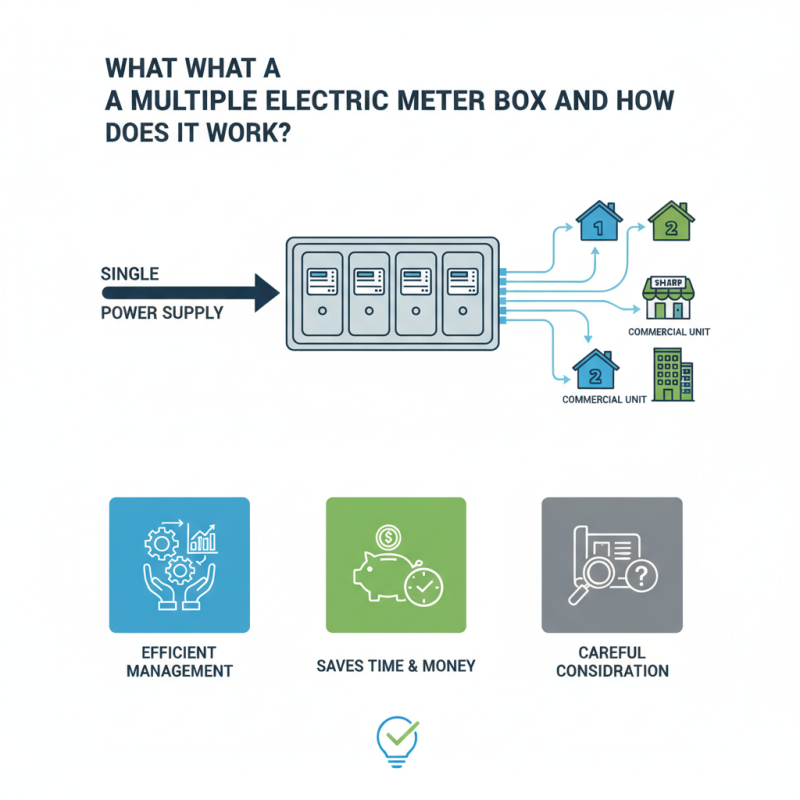
A Multiple Electric Meter Box is a crucial component in modern electrical systems. It allows multiple units or properties to have separate electric meters while sharing a single power supply. This box is often found in multifamily housing or commercial buildings. It enhances the management of electricity consumption and billing.
Understanding how a Multiple Electric Meter Box functions is essential for landlords and property managers. Each meter within the box tracks the energy usage of individual tenants. Proper installation ensures accurate readings and fair billing. Misconfigurations can lead to disputes and confusion.
Incorporating a Multiple Electric Meter Box can save time and money. It reduces the need for multiple service lines and simplifies maintenance. Yet, choosing the right box requires careful consideration. Professionals need to evaluate the building's specific requirements. Reflection on the long-term needs of the property is vital in this decision-making process.
What is a Multiple Electric Meter Box?
A multiple electric meter box is a crucial component in managing electrical usage for multi-unit buildings, such as apartments or commercial complexes. These boxes house several electric meters, each measuring the consumption of electricity for individual units. In 2021, the residential and commercial sectors accounted for approximately 75% of the total electricity consumption in the United States, highlighting the need for effective management solutions.
These meter boxes enable utility companies to monitor energy usage accurately. Each unit’s meter records the electricity consumption, facilitating billing based on actual usage. According to the U.S. Energy Information Administration, implementing advanced metering technologies could save consumers approximately $13 billion annually. This showcases the potential impact of efficient energy management systems. However, installation requires skilled technicians to address wiring complexities, which can lead to installation challenges.
While multiple electric meter boxes offer numerous benefits, their design must ensure safety and reliability. Each meter needs proper calibration to provide accurate readings. Mistakes during installation can lead to discrepancies in billing. According to a report by the International Energy Agency, miscalibrated meters can result in losses up to 3% in revenue for utility companies. This emphasizes the importance of precision in both installation and maintenance.
Key Components of a Multiple Electric Meter Box
A multiple electric meter box serves as a centralized point for monitoring energy usage in multi-unit buildings. Understanding its key components helps ensure efficient energy management. At the heart of these boxes are electric meters, which measure power consumption. Different types of meters may be utilized, including analog and smart meters, with the latter providing real-time data for better monitoring.
Another crucial component is the communication system, which transmits data from the meters to a central system. This enables building managers to analyze energy consumption patterns. According to the U.S. Energy Information Administration, smart meters have increased in adoption by 60% since 2019, helping users optimize their energy usage.
Tips for effective management include regularly checking the data reports from the meter box. Identifying unusual spikes in energy usage can highlight maintenance issues. Additionally, consider implementing energy-efficient practices based on the data collected. This proactive approach can lower energy costs and improve sustainability. Always remember to stay informed about technological updates in energy management systems to enhance efficiency.
How Multiple Electric Meter Boxes Function
Multiple electric meter boxes are crucial in managing energy distribution, especially in multifamily units or commercial buildings. They allow for separate electricity usage tracking for each tenant or unit. This setup provides transparency in billing and enables effective energy management. Each box typically houses an individual meter linked to a specific unit.
These boxes work by connecting to the main power supply. Electricity flows through the box, recording usage for billing purposes. Technicians often install them in accessible locations to facilitate maintenance. However, the complexity of these systems can lead to installations that are not user-friendly. Poor placement can make reading meters challenging. Regular maintenance is needed to ensure accuracy.
The effectiveness of multiple electric meter boxes relies on accurate readings. Any malfunction can lead to billing disputes or energy wastage. Users should regularly check their meters for discrepancies. Addressing these issues can be cumbersome but promotes better energy habits. A deeper understanding of each box's function can lead to improved efficiency in energy consumption.
Benefits of Using a Multiple Electric Meter Box
A multiple electric meter box offers significant benefits for both residential and commercial users. By allowing multiple meters to be housed in one location, it streamlines electricity monitoring. According to the U.S. Energy Information Administration, systems that adhere to this design can lead to a 10-15% reduction in energy management costs. This efficiency can pay off in the long run.
One major advantage is easier tenant billing in multi-unit buildings. This setup prevents disputes over energy use, as each unit is metered separately. Reports suggest that properties using multiple meter boxes see better tenant satisfaction. Additionally, it simplifies maintenance, allowing quick access to each meter. This structure can save time and reduce service interruptions.
However, implementing such systems does have potential drawbacks. The initial installation costs can be high. Some properties may not have space for multiple meters. It's important to conduct a thorough assessment before deciding. Balancing upfront costs with long-term savings is crucial for effective energy management. Proper planning and expert consultation are key steps in maximizing the benefits of a multiple electric meter box.
Common Applications for Multiple Electric Meter Boxes
Multiple electric meter boxes are essential in various applications, primarily in multi-tenant residential buildings and commercial properties. They allow individual metering of electricity consumption, providing accurate billing for each unit. According to the U.S. Energy Information Administration, around 35% of electricity is consumed by residential buildings. Thus, having separate metering enhances transparency in energy usage.
In commercial settings, these meter boxes help manage energy consumption for multi-use facilities. They enable property managers to monitor overall electricity use effectively. This method supports energy efficiency programs as businesses can track usage patterns. Research from the American Council for an Energy-Efficient Economy shows that accurate metering can lead to a 10-15% reduction in energy use over time.
Tip: Consider periodic audits of your meter readings. It helps identify unexpected spikes in usage. These audits can reveal inefficiencies in energy consumption, leading to potential cost savings.
Many utility companies are adopting advanced metering infrastructure, which includes smart meter technology. These innovations allow for real-time data collection. However, users should remain cautious. Not all installations are flawless, and discrepancies in readings can occur. Regular maintenance and checks are essential for reliability.
What is a Multiple Electric Meter Box and How Does it Work? - Common Applications for Multiple Electric Meter Boxes
| Application | Description | Advantages | Installation Location |
| Residential Buildings | Allows for the measurement of electricity consumption for multiple units in a single building. | Efficient billing and convenience in managing energy consumption. | Utility rooms or basements of residential complexes. |
| Commercial Complexes | Facilitates the tracking of energy usage for various businesses in a plaza or shopping center. | Helps in accurate billing and promotes energy efficiency. | Designated electric meter rooms or exterior sides of buildings. |
| Industrial Facilities | Monitors power usage across various sections of a manufacturing plant. | Enables detailed energy management and operational efficiency. | Central control room or dedicated utility area within factories. |
| Rental Properties | Allows landlords to separately record and bill electrical usage for each rental unit. | Simplifies billing processes and encourages energy conservation among tenants. | Utility closets or shared hallways. |




 Send Inquiry

