How to Optimize Offset Inline Inspection System for Best Results?
The Offset Inline Inspection System plays a crucial role in modern manufacturing. Ensuring its optimal performance can significantly enhance product quality and efficiency. This system, designed to inspect products during the manufacturing process, minimizes defects and reduces waste.
However, many companies struggle with maximizing its capabilities. Often, inspections are rushed, leading to missed issues. Operators may not fully understand how to calibrate the system effectively. These oversights can result in costly production errors. Small adjustments in the operating procedure could yield better outcomes.
Optimizing the offset inline inspection involves continuous evaluation. Regular training for staff is essential. It helps improve their understanding of the technology. Additionally, integrating feedback loops can identify areas needing improvement. By focusing on these elements, manufacturers can unlock the true potential of their Offset Inline Inspection System, improving overall results.
Understanding the Basics of Offset Inline Inspection Systems
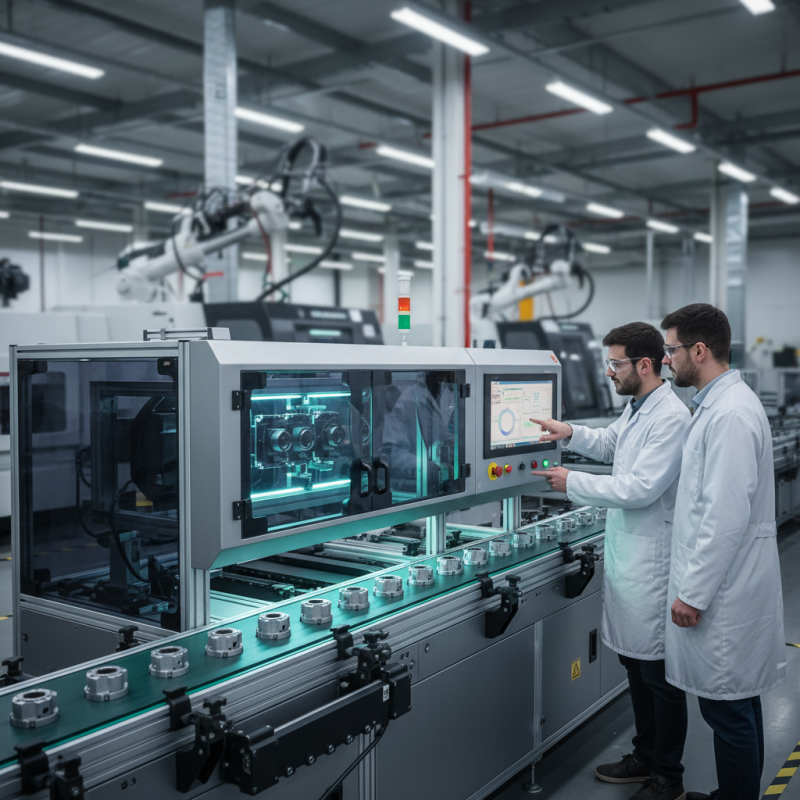
Offset inline inspection systems play a crucial role in modern manufacturing. They help maintain quality control by inspecting products on the production line. Understanding how these systems work is the first step to optimizing them. Each component in the system must be aligned and calibrated for effective inspection. Small misalignments can lead to inaccurate results.
The technology behind these systems is fascinating. Cameras and sensors capture images of products rapidly. These devices analyze the data on the spot. Speed is essential, but quality should not be sacrificed. Inspectors often notice that certain factors affect accuracy. For instance, lighting conditions can create shadows that obscure defects. Ensuring consistent lighting is a challenge that requires ongoing adjustments.
Regular maintenance is another area of concern. Systems can wear out over time, affecting performance. Operators should familiarize themselves with troubleshooting common issues. Ignoring minor problems can escalate into major errors. Continuous training for staff is necessary to keep everyone updated on best practices. Each of these elements affects the overall effectiveness of offset inline inspection systems.
Identifying Key Performance Metrics for Optimization
To optimize an offset inline inspection system, identifying key performance metrics is crucial. According to a recent industry report, systems with effective metric tracking can increase efficiency by up to 25%. Common metrics include defect rate, downtime, and cycle time. Monitoring these can highlight areas needing improvement.
The defect rate should ideally remain below 2%. However, many systems struggle to consistently achieve this benchmark. Downtime can drag performance down, with an average of 15% of operational time lost due to unplanned stops. Nonetheless, systems that implement real-time data collection see a reduction in downtime by around 30%.
Moreover, cycle time varies significantly between systems. Reports show an optimal cycle time of under 30 seconds for inline processes. Yet, many inspection systems exceed this target, affecting overall throughput. Regular reviews of these metrics can lead to significant performance growth. Many operators overlook the value of minor adjustments, which can lead to substantial gains. Observational audits and frequent data analysis are essential in developing a truly optimized system.
Performance Metrics of Offset Inline Inspection System
Implementing Advanced Inspection Technologies and Tools
Optimizing an offset inline inspection system requires the integration of advanced technologies and tools. By incorporating state-of-the-art sensors, companies can enhance their inspection capabilities. High-resolution cameras can capture minute details, ensuring every inch is scrutinized. This technology can detect defects often overlooked, enhancing product quality significantly.
Another key component is the use of artificial intelligence. AI algorithms can analyze vast amounts of data quickly. They help identify trends and issues that might go unnoticed by human inspectors. However, relying solely on technology has its drawbacks. Machines can misinterpret data or miss contextual nuances, leading to errors.
Regular training for staff is essential. Human oversight remains crucial in this process. Engaging teams in the inspection process improves their skills and fosters a deeper understanding of the technology. Combining human insight with advanced tools can lead to impressive results, but a balance must be struck. Continuous reflection on processes and outcomes is necessary for sustained improvement.
How to Optimize Offset Inline Inspection System for Best Results?
| Inspection Technology | Efficiency (%) | Error Detection Rate (%) | Cost ($) | Implementation Time (weeks) |
| Ultrasonic Testing | 90 | 98 | 3000 | 4 |
| Magnetic Particle Inspection | 85 | 95 | 2500 | 3 |
| Eddy Current Testing | 95 | 99 | 3500 | 5 |
| Visual Inspection | 80 | 85 | 1000 | 2 |
| X-Ray Inspection | 92 | 97 | 4000 | 6 |
Training Personnel for Effective System Operation and Maintenance
Training personnel for an offset inline inspection system is crucial. Effective operation ensures optimal performance. A well-trained team can identify anomalies quickly. They can also perform necessary maintenance. Regular training sessions keep skills sharp and relevant.
Hands-on practice is essential. Employees should operate equipment under supervision initially. This builds confidence and competence. Real-life scenarios can unearth common pitfalls. It’s vital to create a safe space for questions and mistakes. Open discussions enable growth.
Monitoring operator performance is also key. It highlights areas for improvement. Feedback ensures personnel understand their roles better. Sometimes, issues arise from misunderstandings rather than technical faults. Addressing these gaps can lead to significant enhancements in system operation. Consistent reviews foster a culture of self-reflection and improvement.
Analyzing Data for Continuous Improvement and Adjustment Strategy
To optimize an offset inline inspection system, analyzing data is crucial. Continuous improvement starts with collecting relevant metrics. These metrics may include defect rates, inspection speed, and operator performance. By examining this data closely, flaws in the current system can be identified. For example, a high defect rate may indicate that operators need more training. Adjusting the inspection criteria can help reduce errors.
Data analytics should not only focus on past performances. It should also include real-time data processing. This way, adjustments can be made during production. Using software to track trends can highlight patterns. If downtime is frequent, the status of equipment should be assessed. Operators often encounter issues they may not report. Understanding this can lead to better support systems. Implementing feedback loops can ensure that operators feel heard and are part of the improvement process.
It’s essential to reflect on the data collected. Have there been significant improvements? Or are some areas still lagging? Sometimes, small changes yield impressive results. Other times, issues may persist despite efforts. Regularly revisiting data analysis keeps the team on its toes. The aim is to cultivate an environment of ongoing learning. Mistakes must be analyzed to avoid repeating them.



 Send Inquiry

