
GST : 27AAFFV7667M1ZA

call images

Call us

08045801431

7 Tips for Sourcing Apao Hot Melt Adhesive Raw Material

Sourcing Apao Hot Melt Adhesive Raw Material is not just a price comparison. A drum may look consistent while its viscosity shifts between batches. That difference can change pump behavior, coating weight, and bonding performance on the production line. Small details matter.

This guide examines seven practical checks: supplier capability, grade specifications, batch consistency, documentation, sample testing, logistics, and total cost. Compare the technical data sheet with your actual process needs, including application temperature and substrate. Request a certificate of analysis for each lot, then test a sample under realistic line conditions. A neat lab result is useful. It is not the whole story.

I have not included a named expert quotation because no source or verifiable quotation was provided. Inventing one would weaken the reliability of this guide. A sourced specialist’s comment can be added once verified. Meanwhile, treat every claim with care. Ask direct questions, keep written records, and investigate discrepancies before approving a supplier. Even a careful checklist has limits; real production trials may reveal issues that paperwork misses.
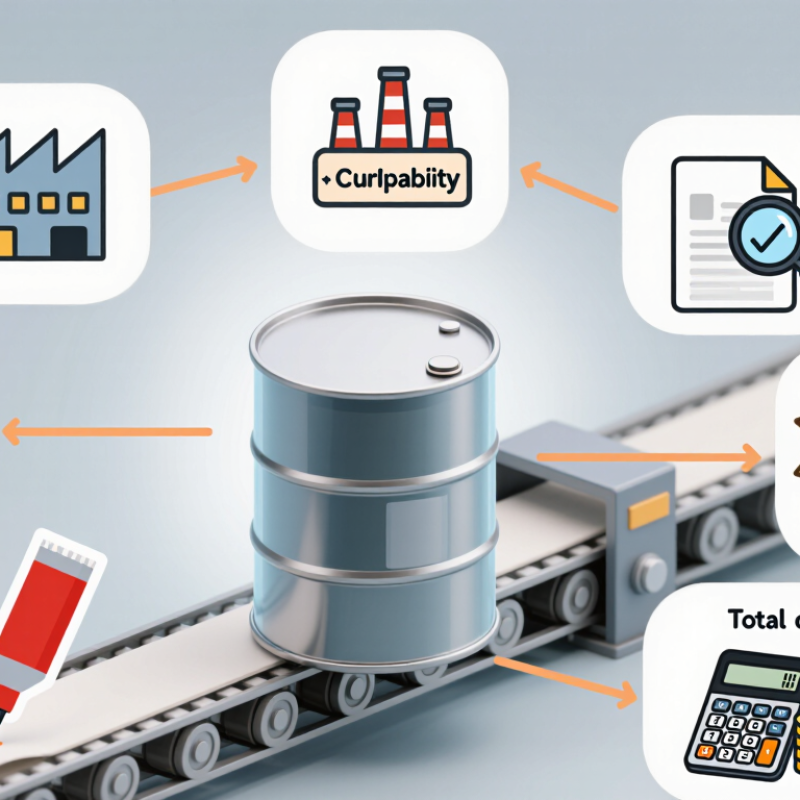
7 Tips for Sourcing Apao Hot Melt Adhesive Raw Material

Define APAO Hot-Melt Needs: Application Temperature Typically 150–180°C

When sourcing APAO hot-melt adhesive raw material, define the application before comparing specifications. Many processes operate around 150–180°C, but this range is a reference, not a universal setting. Check the equipment’s actual melt temperature, tank residence time, and substrate sensitivity. A coating line may tolerate more heat than a thin film or heat-sensitive packaging layer. Small details matter. Ask suppliers for viscosity at relevant temperatures, softening point, open time, and handling conditions. Compare results measured with the same test methods; otherwise, numbers can mislead.

Temperature alone cannot predict bond quality. Trial the material on the actual substrate, using production speed and coating weight where possible. Observe wetting, stringing, charring, and bond strength after cooling. If adhesive remains in a heated tank for hours, check thermal stability and color change, not only initial viscosity. Keep a sample log with lot number, test temperature, and results. This helps distinguish material variation from process drift. Be cautious with neat laboratory results. A short pilot run may miss seasonal humidity or operator adjustments, and that gap deserves review. Request current technical data and safety information, then verify specifications against your process before purchase.

Check APAO Resin Specs: Compare Melt Viscosity at 190°C

When sourcing APAO resin, compare melt viscosity at 190°C, not just the headline value. This temperature gives buyers a useful reference for how readily the material flows during hot-melt processing. Check the reported unit, commonly mPa·s, and confirm the measurement method, instrument, spindle, and rotation speed. Results are not directly comparable when test conditions differ.

A viscosity number without its method is incomplete. Ask suppliers for a technical data sheet and, where possible, recent batch data. Then compare samples under the same conditions, including heating time and temperature control. Even a small temperature difference can shift the reading. Keep the test consistent.

Match viscosity to your equipment and application. A lower value may support easier pumping and spreading, while a higher value may help maintain a bead or coating shape. But viscosity alone does not predict bond strength or final performance. Check the resin’s softening point and compatibility with other formulation components, too. I would avoid choosing the lowest figure automatically; that shortcut can overlook handling needs. One practical check: compare a sample’s flow with your actual line settings before approving a large order. I would also revisit the comparison when process conditions change, since lab readings cannot capture every production detail.

Assess Tackifier Fit: Screen Formulations Using 20–60 wt% Resin Loading

Tackifier fit depends on the base polymer, target surface, and application temperature. Treat 20–60 wt% resin loading as a screening window, not a fixed recipe. Define the percentage against the total adhesive formulation, and keep the polymer, wax, and test conditions consistent. A small change in resin level can shift tack, peel, and shear balance.

Tip: Prepare trial batches at 20%, 30%, 40%, 50%, and 60% resin by weight. Apply each batch at the intended coat weight, then test it on the actual substrate. Check loop tack or probe tack, peel strength, and static shear. Record the room temperature and conditioning time. Details matter.

Watch for trade-offs. A higher resin level may improve wetting, yet reduce cohesive strength or heat resistance. Compare results after aging, not just minutes after coating. If 40% looks best, test nearby levels such as 35% and 45%. I would not assume the strongest initial tack wins. One imperfect trial can still reveal whether the resin is too soft, too hard, or simply mismatched to the polymer.

Verify Supplier Test Data: Use ASTM D3236 for Hot-Melt Viscosity

When sourcing APAO hot-melt raw material, treat viscosity data as a process check, not a decorative certificate. ASTM D3236 measures apparent viscosity with a rotational viscometer. Ask suppliers to identify the method, test temperature, spindle, speed, and sample conditioning. Without those details, two viscosity values may not be comparable. Small detail. Big consequence.

For APAO, even a modest temperature difference can change flow and coating behavior. Request results tied to the specific production lot, then compare samples under identical conditions. Grand View Research valued the global hot-melt adhesives market at about US$7.8 billion in 2023 and projected 6.5% annual growth through 2030. That market context makes consistent incoming checks useful, but it does not validate an individual batch. A tidy certificate can still omit the settings that explain its number. Ask for the underlying test record, and retain a reference sample when practical. Viscosity alone cannot confirm adhesion, open time, or performance on your actual substrate. It is a useful screen, not the whole decision.

Qualify Batches: Confirm Softening Point with ASTM E28 Before Purchase

Before purchasing APAO hot melt adhesive raw material, qualify each production lot—not just the supplier’s typical grade. ASTM E28-18(2023) describes a ring-and-ball method for measuring resin softening point; the endpoint is when the softened sample lets the ball fall 25.4 mm. Confirm with your laboratory that E28 is suitable for the specific APAO formulation. A method number alone does not make unlike materials comparable.

Request a lot-specific certificate of analysis, the test method and the result, then test a sealed sample under the same agreed conditions. Record the lot number, sample date, heating rate and duplicate readings. Small details matter. Set an acceptance window in the purchase specification; for example, a buyer might specify 145–155°C if that range suits the application. That is an example, not a universal APAO limit. ASTM E28’s published procedure gives a consistent endpoint, but it cannot show how the adhesive will behave on every production line. A result near the limit deserves review, not automatic approval. Keep a retained sample, too. It may feel overly cautious, but batch records are much more useful than memory when a later shipment behaves differently.

Qualify Adhesive Batches: ASTM E28 Heating Ramp

This chart shows the nominal 5 °C/min heating rate used in the ASTM E28 ring-and-ball softening point method, expressed as temperature rise from the start of the ramp. It is a method-condition illustration, not batch test data. Measure and confirm each batch’s softening point before purchase.

Back to top
