What is a Three Winding Transformer and its Applications?
The Three Winding Transformer is a crucial component in modern electrical systems, supporting multiple voltage levels. This transformer design optimizes energy efficiency, which is becoming increasingly important. According to the International Energy Agency, electrical transformers account for nearly 20% of the global energy consumption in the power sector. Maintaining efficiency in these systems is vital for sustainable development.
In many applications, a Three Winding Transformer facilitates safe and effective voltage transformations. Industries such as renewable energy, railways, and data centers benefit from these transformers. Despite their advantages, there are challenges to address, including thermal management and electromagnetic interference. Ongoing research aims to enhance their performance and reliability.
Focus on practical applications reveals the growing trend of adopting Three Winding Transformers. Reports indicate a projected market growth of around 6% annually through 2025. As the demand for enhanced energy solutions rises, so does the importance of understanding and improving this versatile transformer type. There is still much to learn, particularly about optimizing designs to meet future energy needs.
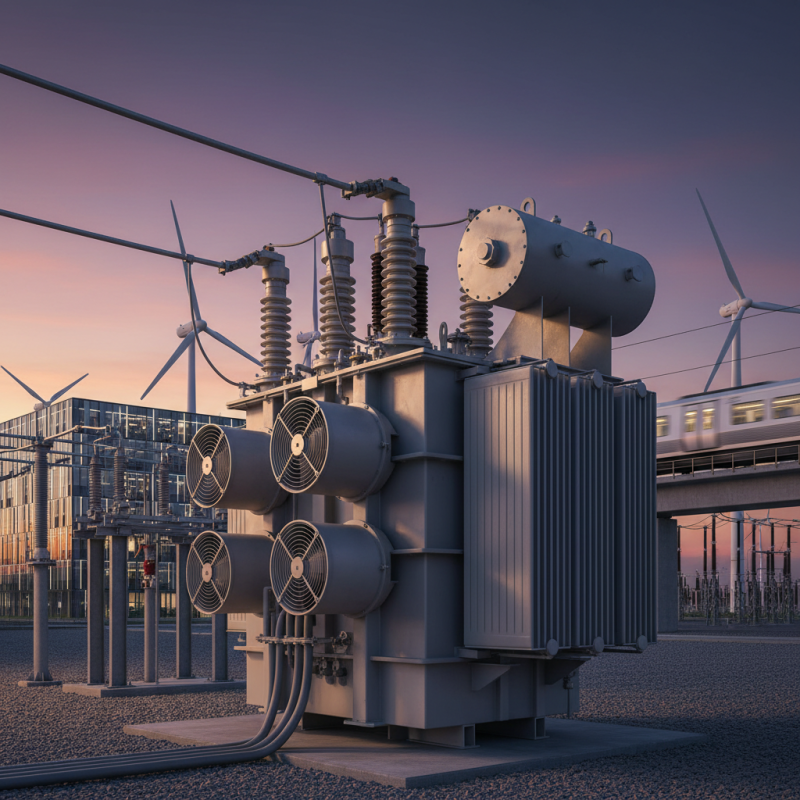
What is a Three Winding Transformer?
A three-winding transformer features three sets of coils wound around a magnetic core. This design allows for several voltage levels. Typically, it consists of a primary winding, two secondary windings, and provides electrical isolation among them. The primary winding gets connected to the input power source. This unique configuration ensures that each winding can perform distinct functions.
In industrial applications, these transformers optimize power distribution. For example, they are widely used in electric utilities for voltage regulation. According to a recent industry report, the three-winding transformers market is projected to grow by 6.5% annually from 2023 to 2030. Their ability to support complex power systems is essential as grids evolve. This is crucial as global energy demands increase.
However, three-winding transformers come with challenges. They require precise design and alignment to function effectively. If designs are subpar, it could lead to inefficiencies. Additionally, maintenance can be complex due to the intricacies of their construction. Professionals must consider these factors when selecting transformers for critical applications.
Three Winding Transformer Power Distribution
This chart illustrates the power distribution across three different windings of a three winding transformer. The data represents hypothetical power distribution in kVA at a specific load condition.
Components and Structure of Three Winding Transformers
Three winding transformers have a unique structure that sets them apart in the power distribution industry. They consist of three sets of windings: primary, secondary, and tertiary. This configuration allows for complex voltage transformations and better load management. According to a report by the International Energy Agency, such transformers can enhance system stability by redistributing power efficiently across multiple circuits.
The primary winding receives energy from the supply, while the secondary and tertiary windings can provide power for auxiliary loads and system balancing. This design plays a crucial role in applications such as renewable energy integration and urban power distribution. Research indicates that the three winding configuration can reduce losses by up to 25% compared to traditional two-winding transformers.
However, the design also introduces challenges. Complexity in manufacturing and assembly can lead to higher initial costs. Ensuring optimal performance requires precise calculations, and any miscalculations could lead to inefficiencies. Continuous advancements in technology strive to address these issues, though not without raising questions about reliability. Balancing cost and performance is an ongoing concern in the industry.
Working Principle of Three Winding Transformers
A three winding transformer is a sophisticated device used in various electrical applications. It consists of three sets of windings: one primary and two secondary coils. The primary winding receives input voltage, while the two secondary windings provide output voltages at different levels. This unique structure allows for multiple voltage outputs from a single transformer.
The working principle revolves around electromagnetic induction. When alternating current flows through the primary winding, it generates a magnetic field. This field induces voltage in the secondary windings. The ratio of turns between the windings determines the output voltage levels. The design ensures that energy is transferred efficiently while maintaining voltage stability.
Tips: Ensure you understand the winding configuration before installation. Proper insulation must be maintained to prevent short circuits. Regular maintenance checks can help in identifying potential issues early.
While three winding transformers offer significant benefits, they are not without challenges. The complexity of their design requires expert knowledge for optimal performance. Improper usage can lead to inefficient operation. Therefore, consulting with professionals during installation and maintenance is crucial for reliable operation.
Common Applications of Three Winding Transformers
A three winding transformer is a specialized electrical device used extensively in power distribution. It consists of three sets of windings, which allows it to operate at different voltage levels. This unique configuration facilitates efficient energy transfer and voltage regulation.
In industrial settings, three winding transformers play a crucial role in supplying power to large machines. These transformers enable the connection of power grids while maintaining stability. They can also isolate different circuits, which enhances safety. One notable application is in renewable energy systems, where consistent voltage transformation is vital.
Tips: Always ensure that the transformer is matched to your load requirements. Overloading can cause overheating and damage.
In commercial buildings, three winding transformers efficiently distribute power to various systems. This reduces energy loss and helps maintain optimal performance. However, regular maintenance is key to sustaining their efficiency. Neglecting this can lead to unexpected failures.
Tips: Schedule periodic inspections to address potential issues early. Preventative maintenance can save costs in the long run.
Advantages and Limitations of Using Three Winding Transformers
Three winding transformers are versatile devices in electrical engineering. They have three sets of windings that can supply multiple output voltages. This feature makes them ideal for applications in power distribution and voltage regulation. However, using three winding transformers comes with advantages and limitations.
One of the primary advantages of three winding transformers is their ability to manage multiple loads simultaneously. This can lead to efficiency gains in power systems. They can help in stabilizing voltage levels, thus improving supply quality. In some cases, they provide isolation between different sections of a power network, enhancing safety. However, their complexity can also lead to challenges. These transformers are bulkier and may require more maintenance.
Moreover, while three winding transformers can operate with high efficiency, they can also be prone to issues like overheating. This risk necessitates careful assessment when integrating them into existing systems. Not every application will benefit equally from a three winding transformer. Therefore, it is crucial to consider specific needs and constraints before selecting this type of transformer for use.
What is a Three Winding Transformer and its Applications? - Advantages and Limitations of Using Three Winding Transformers
| Dimension | Description |
| Number of Windings | Three windings: primary, secondary, and tertiary |
| Magnetic Coupling | High efficiency due to reduced losses |
| Common Applications | Power distribution, voltage regulation, and isolation |
| Advantages | Allows for different voltage levels and better load sharing |
| Limitations | More complex design and higher cost compared to two winding transformers |
| Maintenance | Requires regular checks to ensure operational efficiency |
| Efficiency | Typically high, but varies based on design and load conditions |



 Send Inquiry

