
Selecting the right Electrofusion Reducing Tee is not a paperwork exercise. It is a field decision affecting flow, pressure, alignment, and long-term service. A fitting may look suitable on a clean warehouse shelf, yet fail expectations after installation conditions change.
John Heap, a respected polyethylene jointing specialist, puts it plainly: “Preparation is the key to a successful electrofusion joint.” That advice remains practical. Check the pipe material, outside diameter, pressure class, and fitting compatibility before opening the packaging. A reducing tee must match the system, not merely connect two different sizes. Confirm the manufacturer’s fusion voltage, heating time, cooling period, and scraping requirements. Small differences matter.
The seven tips in this guide focus on details that installers sometimes overlook. Inspect the socket depth. Measure pipe ovality. Remove oxidation evenly. Keep rain, dust, and standing water away from the fusion zone. Use a calibrated control unit, and never guess the cooling time. Confirm branch orientation before energizing the fitting. Record traceability data for future maintenance.
Some choices remain imperfect.
Real sites are rarely clean laboratories. Trench movement, cold weather, limited access, and rushed schedules can expose weak assumptions. I have seen teams focus on fitting price while ignoring preparation tools and operator training. That trade-off can become expensive later. A reliable Electrofusion Reducing Tee should be selected through documented specifications, experienced judgment, and careful verification. When uncertainty remains, consult the manufacturer’s technical data and a qualified polyethylene piping professional. Safety and performance deserve more than visual confidence.
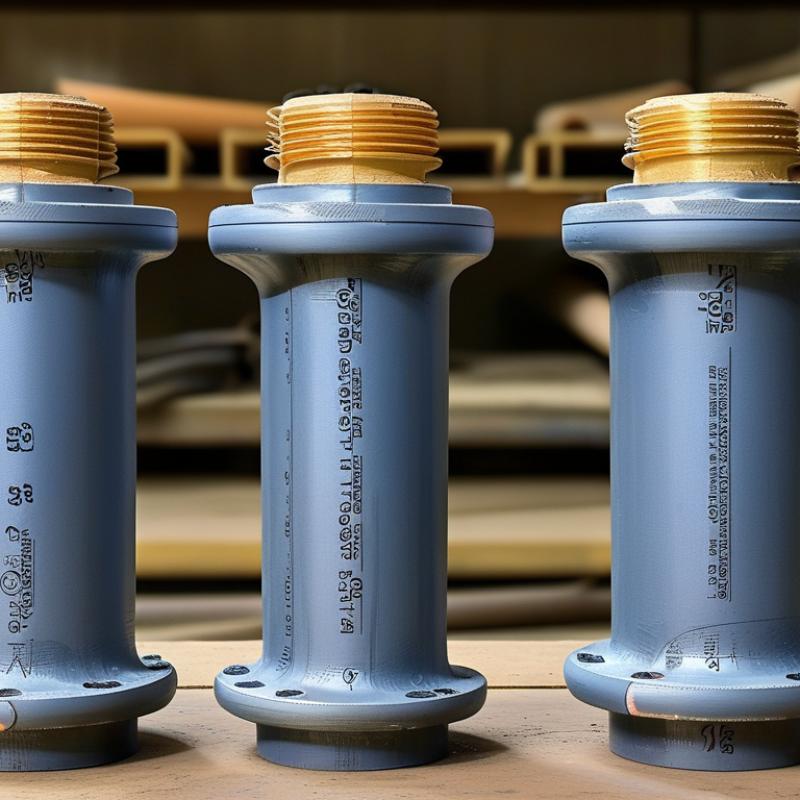
An electrofusion reducing tee has a larger main-run body and a smaller branch outlet. The main sockets align with the pipeline. The reduced socket controls branch flow. Embedded resistance wires sit inside each fusion zone. When energized, they heat the polyethylene surfaces and create a molecular bond. Fusion indicators may rise slightly after heating. Fit matters. ISO 4427-3 and ASTM F1055-23 define key dimensional, material, and performance expectations for polyethylene fittings.
Choose the tee by matching resin type, pipe SDR, outside diameter, and pressure class. Do not guess. Confirm that the branch size suits the required flow, not only the available pipe. Check socket depth and ovality before installation. Clean, scrape, align, and clamp every connection. Moisture, mud, or poor scraping can weaken the joint. Follow the fitting’s voltage, heating time, and cooling instructions. The Plastics Pipe Institute’s polyethylene guidance emphasizes controlled heat, pressure, alignment, and cooling as core fusion variables.
Review traceability records, batch markings, and inspection requirements before purchase. ISO 4427 uses 20°C as a reference condition for pressure classification, but higher temperatures can reduce allowable pressure. ASTM F1055 testing also considers pressure resistance and joint integrity. Field experience suggests that cramped trenches create more defects than difficult calculations. That weakness deserves attention. I would also verify generator stability, because voltage fluctuation can produce incomplete fusion. A catalogue match can still fail when installation conditions are ignored.

Choosing an electrofusion reducing tee starts with dimensions, not appearance. Measure the pipe outside diameter and confirm the branch size. A small mismatch can prevent full insertion. Check wall thickness and SDR as well. These details affect fusion depth, heating behavior, and available pressure capacity. Write the sizes down. Site measurements are often rushed.
The tee and pipe should share a compatible material family, such as polyethylene grades approved by project specifications. Do not rely on color or similar surface texture. Review resin compatibility, fusion procedures, and the fitting’s technical data. Different grades may fuse poorly or age differently under load. Clean, scrape, and align each pipe end carefully. Moisture matters. A damp trench can undermine an otherwise skilled joint.
Pressure selection needs more than comparing nominal ratings. Match the tee to operating pressure, surge pressure, temperature, and expected flow changes. A reducing branch can create local turbulence, especially near pumps or valves. Confirm the required SDR and pressure class with the design engineer or qualified supplier. Trace every size transition on the drawing before ordering. It catches expensive errors. Recheck assumptions after installation, because field conditions rarely match the first estimate exactly.
Choosing an electrofusion reducing tee starts with the welding equipment, not the fitting shape. On site, I check the tee’s fusion voltage, resistance, heating time, and terminal type. These details must match the control unit’s output range and connector design. A suitable pipe diameter alone is not enough. Check the fitting label and technical data sheet carefully.
The pipe material, outside diameter, wall thickness, and SDR must also suit the reducing tee. The control unit should support the fitting’s required voltage and current throughout the fusion cycle. Some systems read fusion data through a barcode, while others require manual entry. Confirm both methods before arriving at the work area. A weak generator or long extension cable can create voltage loss. Measure the supply under load when possible. Small errors matter.
I have seen operators connect apparently matching leads without checking calibration records. That assumption was wrong. Inspect the pins, cables, and clamps for damage or contamination. Keep the pipe and fitting dry. Scrape the pipe surface evenly, then clamp it to prevent movement during heating and cooling. Follow the specified cooling time. A checklist helps, but it is not foolproof. Recheck the fusion indicators and record the joint details before covering the installation.
7 Tips for Choosing an Electrofusion Reducing Tee
Quality begins with the standard, not the catalogue photograph. Check ISO 4427-3 for water systems or ISO 4437-3 for gas applications. These standards define dimensions, performance, and testing requirements. ISO 12162 classifies PE100 material with a minimum required strength of 10 MPa. ISO 9080 uses long-term pressure regression to estimate performance over 50 years. That number matters when a fitting will remain underground for decades.
Certification should cover the fitting itself. An ISO 9001 certificate only confirms a management system. It does not prove every reducing tee is pressure qualified. Request independent product certification, fusion compatibility data, and batch traceability. The PPI Handbook of Polyethylene Pipe explains that properly qualified electrofusion joints can meet the pipe’s pressure capability. However, installation errors remain common. A perfect fitting cannot correct poor scraping, contamination, or incorrect fusion voltage.
Manufacturer reliability requires evidence. Ask for factory test records, dimensional inspection results, resin identification, and controlled fusion parameters. ASTM F1055 provides useful guidance for electrofusion socket fittings. Check whether the manufacturer can supply replacement data years later. That detail is often overlooked. It should not be. Review previous project references, nonconformance rates, and independent audit findings. A certificate may look impressive, yet field support can still be weak. That is where careful judgment matters.
| No. | Selection Tip | Evaluation Dimension | Objective Checks | Evidence to Request | Decision Rule |
|---|---|---|---|---|---|
| 1 | Match the applicable product standard | Standards and application suitability | Confirm that the fitting is designed for the intended medium and service, such as potable water, wastewater, industrial fluid, or gas. Common standards include ISO 4427-3 or EN 12201-3 for polyethylene water systems, EN 1555-3 for gas applications, and ASTM F1055 for polyethylene electrofusion fittings. | Product standard declaration, technical datasheet, pressure-temperature limits, and application restrictions. | Accept only when the stated standard matches the project specification. |
| 2 | Verify dimensions and pressure rating | Size compatibility and SDR/PN relationship | Check the run diameter, reducing branch diameter, wall thickness, socket insertion depth, ovality limits, and fusion-zone dimensions. Confirm that the fitting's SDR or pressure class is compatible with the pipe and system design pressure. | Dimension table, tolerances, SDR range, allowable operating pressure, and compatibility statement for the selected pipe. | Reject if dimensions or rating are not documented and compatible. |
| 3 | Assess resin and material traceability | Polyethylene compound quality | Confirm the fitting is manufactured from a pressure-rated polyethylene compound suitable for electrofusion. Review melt mass-flow rate, density, carbon-black or pigment content where applicable, thermal stability, and lot traceability. | Raw-material certificate, compound designation, batch number, production date, and material conformity records. | Prefer fully traceable, pressure-rated material with consistent batch records. |
| 4 | Examine electrofusion performance | Heating wire, fusion parameters, and joint reliability | Check that the fitting has stable embedded heating elements, clear fusion terminals, defined voltage or energy requirements, and controlled fusion-time parameters. The fitting should support the approved electrofusion procedure for the pipe material and size. | Fusion parameter table, installation procedure, production test records, and sample joint test results where required. | Do not purchase fittings with unclear or incomplete fusion instructions. |
| 5 | Check certification and independent testing | Product conformity and certification validity | Distinguish between a manufacturer quality-management certificate and a product approval. Confirm the certificate scope, applicable standard, product size range, intended service, issuing organization, validity period, and certification number. | Current product certificate, test report, certificate scope, laboratory accreditation details, and verification route. | Accept only certificates that cover the exact product and application. |
| 6 | Review manufacturing quality controls | Inspection, testing, and nonconformance control | Evaluate dimensional inspection, visual inspection, electrical-resistance checks, leak or pressure testing where specified, lot sampling, calibration of test equipment, and control of nonconforming products. | Quality-control plan, inspection and test plan, calibration records, batch release report, and corrective-action procedure. | Favor suppliers providing batch-level release documentation. |
| 7 | Evaluate manufacturer reliability and support | Supply continuity, technical service, and warranty support | Review production capacity, lead-time consistency, stock policy, packaging protection, installation training, response time, complaint handling, warranty terms, and availability of replacement or supplementary fittings. | References for comparable projects, delivery performance records, warranty conditions, technical support procedure, and documented complaint-resolution process. | Choose a supplier with documented support and repeatable delivery performance. |
Inspect the jobsite before comparing prices. Check pipe material, SDR, diameter, pressure rating, and temperature limits. Confirm the reducing tee matches every specification. Measure the trench width and working space. Tight access can make scraping, alignment, and clamping difficult. Keep the fusion zone clean and dry. Moisture, mud, or oxidation can weaken the joint. Ask whether the crew has suitable fusion equipment and trained operators. A cheaper fitting is not cheaper after rework.
Review the total installation cost, not only the purchase price. Include excavation, dewatering, preparation, testing, equipment rental, and possible delays. The U.S. EPA’s 2023 Drinking Water Infrastructure Needs Survey estimates $625 billion in required investment over 20 years. That pressure makes lifecycle budgeting essential. Record traceability and fusion parameters also reduce inspection risks. They may seem administrative. They are practical protection.
Evaluate long-term performance under real service conditions. Check chemical exposure, cyclic pressure, ground movement, and operating temperature. The Plastic Pipe Institute’s Handbook of Polyethylene Pipe recognizes properly designed polyethylene systems with service lives exceeding 100 years. That figure depends on design, installation, and maintenance. Do not treat it as a guarantee. I have seen specifications focus heavily on fitting price while overlooking alignment tools and cooldown time. That choice deserves another review. A reliable reducing tee should support safe flow transitions, consistent fusion quality, and future maintenance access.
For an immediate response, please call this
number08045801431
Price:
