GST : 27AAFFV7667M1ZA

Call us
08045801431
Call us
08045801431

Operating a Roll Lamination Machine can be a straightforward process with the right approach. These machines help protect important documents, enhancing their durability. Laminating materials like posters, menus, and ID cards are made easier and more professional-looking with proper use.
However, many users overlook simple techniques that can improve their results. For example, ensuring the right temperature and speed settings play a crucial role. Users often rush through the setup, leading to wrinkled or damaged lamination.
It’s essential to understand the machine’s capabilities and limitations. Regular maintenance is another area that users sometimes neglect. Cleaning the rollers and checking for wear can prevent numerous problems. Solid preparation will help you maximize the potential of your Roll Lamination Machine and create polished, lasting results.
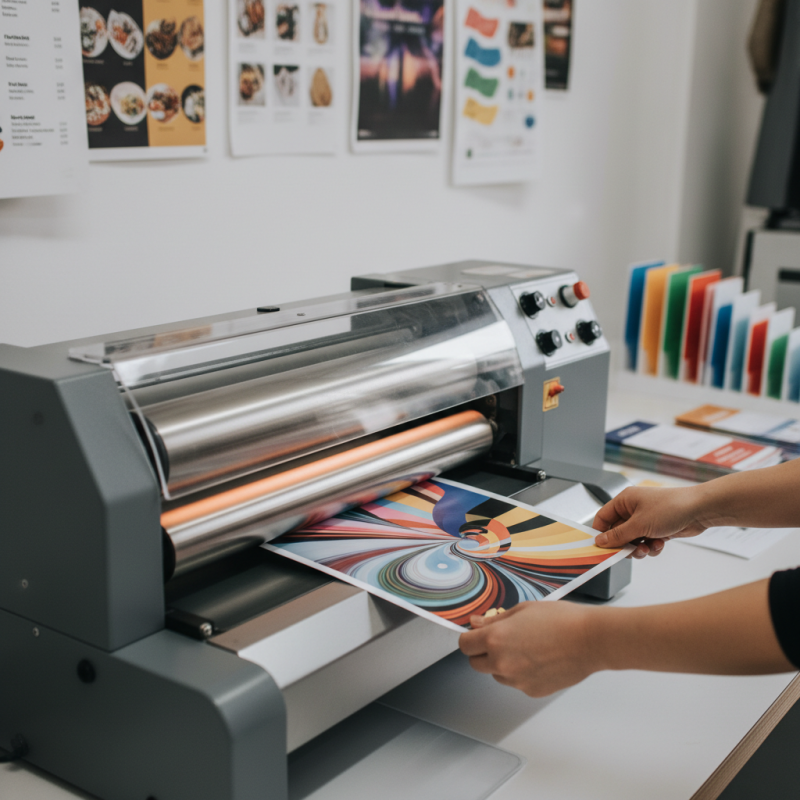
Roll lamination machines are essential tools for preserving and enhancing various documents. Understanding their operation is crucial for efficiency. These machines use heat and pressure to apply a protective layer of plastic on surfaces. Proper setup ensures optimal results.
Before starting, check the roll alignment. Misalignment can lead to waste and poor quality. Adjusting the temperature is also vital. Too high can melt materials; too low may not seal properly. Always conduct a test run to gauge effectiveness. Small adjustments can lead to significant improvements.
Pay attention to the material you are working with. Not all items are suitable for lamination. Some may warp or discolor under heat. It is vital to assess the compatibility of documents beforehand. Keep in mind that mistakes may happen. This process requires patience and practice. Each experience builds your skills.
A roll lamination machine consists of several key components. Understanding these can greatly enhance your lamination process. The feed system is crucial. It guides the material into the machine, ensuring smooth entry. Pay attention to the alignment here. Misalignment can cause problems down the line.
The roller system plays a vital role too. It applies heat and pressure to the laminate. Make sure the rollers are clean and free from debris. A dirty roller can lead to uneven lamination. It's an easy oversight but can result in costly mistakes.
Temperature control is another important aspect. Too much heat can damage your material. Too little won't seal it properly. Regular calibration is essential for optimal performance.
Here’s a tip: always perform a test run with scrap material. This helps you gauge the machine's settings before using valuable stock. Take your time adjusting settings. Rushing this step could lead to frustration later on.
| Component | Function | Tips for Maintenance |
|---|---|---|
| Rollers | Apply heat and pressure to the film and substrate to create a bond. | Regularly clean rollers to prevent buildup and ensure even lamination. |
| Heating Element | Heats the rollers to the optimal temperature for lamination. | Monitor temperature settings regularly to ensure consistent results. |
| Feed Guide | Aligns the media for smooth entry into the machine. | Adjust the guides for different media sizes to avoid jams. |
| Control Panel | Allows operator to set the temperature, speed, and feed rate. | Familiarize yourself with the controls for efficient operation. |
| Cooling System | Cools the laminated substrates to set the adhesive. | Ensure cooling systems are functioning to prevent warping. |
Preparing materials for optimal lamination results is crucial. Proper preparation ensures a smooth and effective lamination process. Start by selecting high-quality materials. This reduces the risk of bubbles or wrinkles. Smooth surfaces are key. If the material is uneven, the lamination won't adhere correctly.
Clean the materials thoroughly. Dust and debris can lead to imperfections. Use a lint-free cloth and ensure no particles remain. If necessary, trim edges to avoid over-laminating. This step is often overlooked but can impact the final outcome significantly. A clean edge helps with the overall look of the laminated product.
Test your settings before beginning the full run. Sometimes, the temperature may be too high or low. It's essential to adjust based on the material type. Each project may require different heat settings. Sometimes I find that I need to experiment a bit. This trial and error can save time later. Preparing effectively is not just about the materials, but also about understanding the machine's nuances.
Operating a roll lamination machine can seem daunting. Start by preparing your materials. Cut them to the desired size. Ensure they fit the lamination film perfectly. This step is crucial for a smooth lamination process. If the materials are uneven, the results will be disappointing. Take your time to check everything carefully.
Next, load the film into the machine. Make sure it is aligned properly. Misalignment can cause jams or uneven lamination. It is often a simple mistake but one that can ruin your project. Adjust the settings according to the thickness of the materials. Experimentation may be necessary. Each project can have different requirements.
Once everything is set up, power on the machine. Monitor the lamination process closely. If you notice any issues, pause and address them. Rushing through can lead to errors. After laminating, allow the materials to cool before cutting. This helps maintain the integrity of the lamination. Remember, practice makes perfect. Reflect on each experience for improvement. It’s all part of mastering the process.
This chart presents the optimal settings for operating a Roll Lamination Machine effectively, including the recommended temperature, speed, material thickness, and roll pressure for best results.
Maintaining a roll lamination machine is crucial for its longevity. Regular cleaning is essential. Dust and adhesive residue can accumulate over time. A simple wipe-down after every use can prevent build-up. This ensures optimal performance and reduces the risk of malfunctions.
Inspecting the machine regularly can help you identify potential issues early. Look for any signs of wear or damage. Replace worn parts immediately. Ignoring these signs can lead to bigger problems later. Also, ensure that all moving parts are properly lubricated. A little grease can go a long way.
Don’t overlook the importance of training your staff. Proper usage is vital for a machine's lifespan. Misuse can lead to breakdowns or subpar results. Regularly revisit the operating procedures. Sometimes, habits form that aren't conducive to the machine’s well-being. Remember, a well-maintained machine is an investment in efficiency.



For an immediate response, please call this
number08045801431

Price:
 Send Inquiry