GST : 27AAFFV7667M1ZA

Call us
08045801431
Call us
08045801431

China’s Top 10 UV Coating Curing Machine Suppliers? The question sounds simple, but the right shortlist depends on the coating, substrate, production speed, and available floor space. A machine that cures a thin varnish on a flat panel may not suit a shaped part or a high-speed coating line. Buyers should compare more than lamp power. Check the curing wavelength, working width, conveyor control, cooling method, and access to replacement lamps and technical support.
A dependable Uv Coating Curing Machine should match the coating’s photoinitiator response and the production line’s actual operating conditions. Ask suppliers for test results using your coating and substrate, not only a catalogue specification. Observe whether the surface cures evenly across the full belt width. Ask how operators verify output over time. Small differences matter.
“Match the curing system to the coating and the production process, then validate it with a real sample.” This is an editorial rule of thumb, not a verified quotation from a named industry expert; no reliable source for such a quotation was provided. That distinction matters. Supplier claims deserve scrutiny, and sample testing can reveal problems that a polished brochure cannot. This guide compares ten suppliers through practical selection criteria, while recognizing that availability, specifications, and service vary by region. The shortlist is a starting point, not a substitute for technical evaluation.
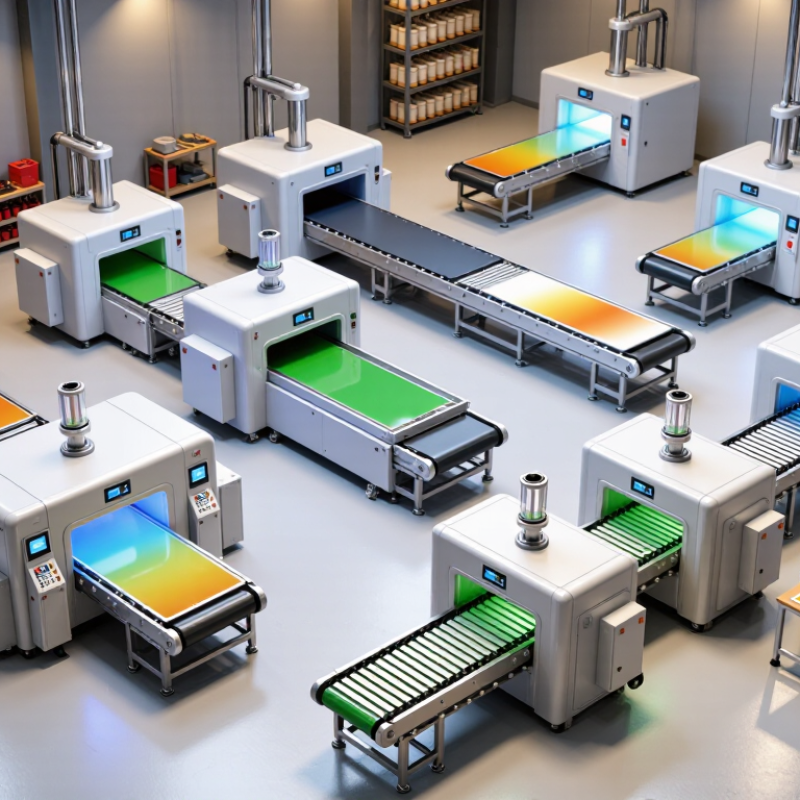
A UV coating curing machine uses ultraviolet energy to harden specially formulated coatings on a surface. The coating typically contains photoinitiators, which trigger polymerization when exposed to suitable UV wavelengths. In practical terms, a wet, glossy layer enters the curing zone and leaves ready for handling within seconds. No long oven wait. Common systems use mercury lamps or UV-LED modules, while conveyor speed, lamp distance, and coating chemistry all affect the result. A machine is not simply a powerful lamp; matching these settings matters.
The MarketsandMarkets report on UV-curable coatings estimated the market at USD 4.4 billion in 2022 and projected USD 6.5 billion by 2027. That growth reflects demand for fast-curing finishes in applications such as wood panels, printed materials, and electronics. For operators, useful checks include irradiance at the work surface, lamp condition, and consistent coating thickness. A handheld radiometer can reveal output loss that looks invisible to the eye. Still, data alone does not guarantee a perfect finish; test pieces are essential, and even experienced teams sometimes need to adjust settings after a material change.
How UV Coating Curing Machines Work
A UV coating curing machine uses ultraviolet energy to harden a liquid coating on a surface. The coating contains photoinitiators, which respond to UV light and trigger a rapid chemical reaction. As the material forms a solid film, it can gain surface protection and a consistent finish. The process often takes seconds, but actual curing time depends on the coating, lamp output, and line speed.
A conveyor carries each coated sheet beneath UV lamps or LED modules. Reflectors and shielding help direct light toward the surface, while ventilation manages heat and fumes from the process. Operators should check lamp condition, conveyor speed, and coating thickness together; changing only one setting may produce uneven results. A tacky patch can signal insufficient exposure, though contamination or an incompatible coating may also be responsible. Real production is less tidy than a diagram suggests.
Tips: Test a sample before a full run. Keep the surface clean, measure conveyor speed, and inspect the cured finish under consistent lighting. Follow equipment and coating instructions, and use suitable eye and skin protection around UV sources. Record settings for repeat jobs. Small variations still happen.
| No. | Supplier Capability to Compare | What the Machine Does | Key Specification to Check | Typical Applications | Buyer Verification |
|---|---|---|---|---|---|
| 1 | Conveyorized UV curing systems | Moves coated parts through a controlled exposure zone so the coating receives a repeatable UV dose. | Usable belt width, conveyor speed range, lamp arrangement, and shielding. | Continuous coating lines and batches of small or medium-sized parts. | Run representative parts at the intended line speed and inspect cure uniformity across the belt. |
| 2 | UV LED curing equipment | Uses UV-emitting LEDs to initiate photochemical curing in a compatible coating. | Peak wavelength, irradiance at the work surface, illuminated area, and cooling method. | Processes using LED-compatible UV coatings and applications requiring localized exposure. | Confirm coating compatibility and measure irradiance at the actual working distance. |
| 3 | Mercury-lamp UV systems | Uses a broadband UV lamp; the coating’s photoinitiator absorbs suitable wavelengths and starts polymerization. | Lamp power, reflector design, lamp-to-part distance, and exhaust requirements. | UV formulations designed for conventional broadband lamp output. | Check the coating supplier’s spectral requirements and the machine’s lamp maintenance procedure. |
| 4 | UV systems for flat panels | Exposes a coated surface to UV energy as the panel passes beneath or through the curing zone. | Maximum panel width, exposure uniformity, conveyor speed, and edge coverage. | Flat components and coated boards suited to the machine’s working dimensions. | Test the center and edges of a full-width sample for consistent cure. |
| 5 | UV systems for three-dimensional parts | Delivers UV light to shaped surfaces using lamp placement, part movement, or multiple exposure directions. | Part envelope, fixture design, exposure angles, and shadow management. | Components with curved or irregular surfaces that have accessible UV-curable areas. | Evaluate recessed areas and shadowed features; UV light cures only where sufficient energy reaches the coating. |
| 6 | Compact or benchtop curing units | Provides a smaller controlled exposure area for sample work or lower-volume production. | Chamber dimensions, exposure control, interlocks, and ventilation needs. | Laboratory trials, small parts, and applications compatible with the available work area. | Confirm that the unit accommodates the largest part and provides the required exposure dose. |
| 7 | High-throughput curing lines | Integrates UV exposure with material handling to support a continuous production process. | Line speed, active curing length, installed power, and production-line interfaces. | Higher-volume operations with stable part geometry and a defined coating process. | Validate cure at the target throughput, not only at a slower demonstration speed. |
| 8 | Systems with dose and process monitoring | Monitors operating conditions that influence the UV energy delivered to the coating. | Irradiance or dose measurement, speed control, alarms, and data records. | Processes that require repeatable operating conditions and documented checks. | Ask how sensors are calibrated and whether readings represent conditions at the work surface. |
| 9 | Custom-engineered UV equipment | Adapts exposure geometry, handling, or controls to a defined part and coating process. | Documented design limits, safety features, service access, and acceptance-test criteria. | Production processes that cannot be served by a standard machine configuration. | Agree on sample testing, measurable acceptance criteria, and installation responsibilities before purchase. |
| 10 | Supplier service and application support | Helps match the curing system to the coating, substrate, part geometry, and production conditions. | Technical documentation, training, spare-parts availability, and response arrangements. | Any UV-curing process where setup, maintenance, and process consistency matter. | Request a written specification, operating guidance, and a trial using the intended coating and substrate. |
Selection note: UV curing depends on the coating formulation, UV spectrum, irradiance, exposure time, distance, and part geometry. Confirm the required conditions with the coating supplier and validate them on representative parts. UV equipment should include suitable shielding and safety interlocks to limit exposure.
Choosing a UV curing machine supplier requires more than comparing prices. Start with your coating, substrate, and production speed. A machine for thin varnish on paper may not suit a thick coating on plastic. Ask suppliers to test your actual samples, then inspect curing consistency, surface tack, and adhesion. Small test pieces are useful, but they cannot always predict a full production run.
Check the supplier’s technical support and documentation. Request clear information about lamp type, usable curing width, energy settings, cooling, and routine maintenance. Ask how the system handles changes in line speed or coating thickness. A reliable supplier should explain operating limits plainly, not promise that one configuration fits every job. I would also ask about replacement-part availability and typical service response times. These details can be overlooked during a showroom visit.
Tips: Bring coated samples and your normal production settings to a trial. Record the test speed, lamp output, and curing results. Ask for a written quotation that separates the machine, installation, training, and optional equipment. Compare total operating needs, not just the purchase price. One limitation remains: a short demonstration may not reveal long-term performance, so request a realistic acceptance test before making your decision.
China’s UV coating curing machine market includes manufacturers serving furniture, packaging, electronics, and metal finishing. The ten supplier profiles below describe useful capabilities, not a verified ranking. Some suppliers focus on compact conveyor units for small workshops. Others build wide-format lines for panels and printed sheets. A third group integrates UV lamps with coating, conveying, and exhaust systems. Buyers should compare working width, lamp type, line speed, and service response—not just advertised output.
Other profiles may specialize in LED curing, retrofit projects, laboratory testing, or custom machinery. Check whether a supplier can provide sample trials using your actual coating and substrate. Ask for measured irradiance and dose across the conveyor width; a bright lamp does not guarantee even curing. Fortune Business Insights estimated the global UV LED market at about US$1.26 billion in 2023 and projected growth through 2032. This broader market signal supports interest in LED systems, but it does not prove that every coating line suits every process. Details matter.
For each of the ten suppliers, request a clear equipment layout, installation requirements, and operating data under comparable conditions. Confirm how lamp aging, cooling, and reflector maintenance affect performance. References from factories with similar products can reveal practical strengths. A few specifications may still be missing. That deserves a follow-up, not a guess.
Common UV LED peak wavelengths used in curing equipment, with the corresponding photon energy calculated from E = hc/λ.
Wavelengths shown are common UV LED options, not specifications attributed to individual suppliers. Actual machine compatibility depends on the light source, coating chemistry, and process configuration.
A supplier’s catalogue rarely tells the whole story. Ask for a test using your actual coating, substrate, and target line speed. Watch the surface after curing: tackiness, gloss variation, and edge marks can reveal problems that sample photos hide. A small test panel helps, but it cannot fully predict a long production run.
Compare machines by more than lamp power. Check the usable conveyor width, adjustable curing distance, cooling method, and control range. Ask how operators monitor lamp output and replace worn components. Request energy-use figures at a stated speed, not just a maximum rating. Details matter. A machine that fits today’s sample may struggle with tomorrow’s wider panels.
Supplier support is part of the equipment decision. Confirm installation guidance, operator training, spare-part availability, and typical response times in writing. Ask for references from businesses with similar materials and production volumes. If possible, inspect a working machine. Listen for uneven conveyor movement, and check whether heat builds up near the exit. I would not choose on price alone; still, paying more does not guarantee better service. Compare the evidence, and note what remains uncertain.



For an immediate response, please call this
number08045801431

Price:
 Send Inquiry