Top 10 Benefits of Pleated Air Filters for Home Air Quality?
In the quest for a healthier home, many homeowners overlook the importance of air quality. Pleated Air Filters play a crucial role in enhancing indoor air conditions. According to Dr. Emily Tran, an air quality specialist, "Investing in pleated air filters is one of the best decisions for your home’s air quality." Her words ring true as air pollution continues to affect our lives.
Pleated air filters are designed to trap more dust and allergens compared to standard filters. They can capture tiny particles, including pet dander and pollen. This level of filtration can significantly reduce asthma and allergy symptoms at home. However, many people still choose cheaper alternatives, unaware of the potential downsides. Not using pleated air filters may lead to increased air quality issues over time.
Choosing pleated air filters is about embracing better health. While they may have a higher upfront cost, they promise stronger performance. The long-term benefits often outweigh initial expenses. Families deserve to breathe clean air, and pleated air filters are a step in that direction. Making informed choices can lead to a healthier home environment for everyone.
Understanding Pleated Air Filters and Their Functionality
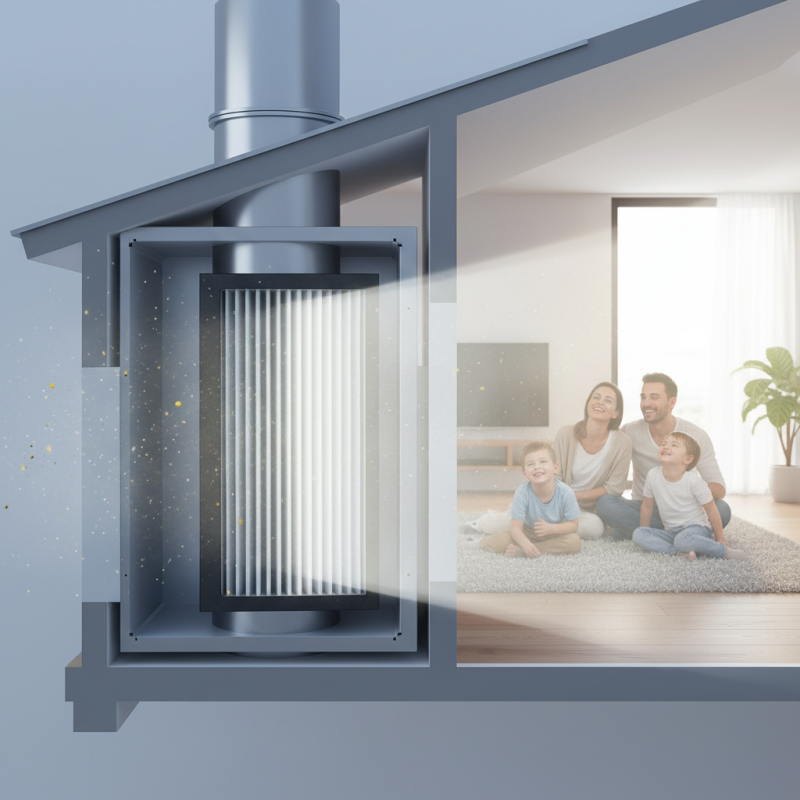
Pleated air filters are becoming increasingly popular for improving home air quality. Their unique design consists of folds or pleats that increase surface area. This allows them to capture more dust, pollen, and other contaminants. The enhanced filtration provides cleaner air for residents. Many people complain about allergies. A better air filter can significantly reduce irritants.
When choosing pleated air filters, consider the MERV rating. Higher ratings indicate better filtration but may restrict airflow. This can lead to pressure issues in your HVAC system. Make sure your system can handle the filter you select. Regularly change filters every three months for optimal performance. Dirty filters can lead to poor air quality, which defeats the purpose.
Tip: Take time to check the filter regularly. Inspect for dirt and debris buildup. If it looks clogged, replace it sooner.
Another consideration is the filter material. Some are made of synthetic fibers, while others use natural materials. Each type has pros and cons. Synthetic filters typically last longer but may not capture all allergens. Assess your specific needs to find the right balance for your home.
Enhanced Filtration Efficiency Compared to Standard Filters
Pleated air filters offer enhanced filtration efficiency compared to standard filters. According to the U.S. Environmental Protection Agency (EPA), indoor air can be 2 to 5 times more polluted than outdoor air. Pleated filters can capture smaller particles, including dust, pollen, and pet dander, that standard filters often miss. This capability improves overall air quality in homes significantly.
Studies show that pleated filters can trap up to 95% of airborne particles. This is a remarkable improvement over regular filters, which may only capture around 50%. However, this advanced functionality requires proper maintenance. If filters become clogged, their efficiency drops sharply. Regularly checking and replacing them is crucial for maintaining that benefit. Neglecting this can lead to unhealthy air quality.
Installing pleated air filters not only enhances air quality but can also improve HVAC system efficiency. When air flows easily, systems work less, possibly reducing energy bills. Still, it’s vital to choose the right MERV rating for your specific needs. Choosing overly high ratings may restrict airflow, causing strain on your system. Balancing filtration needs and system performance is essential for optimal benefits.
Top 10 Benefits of Pleated Air Filters for Home Air Quality
Impact on Indoor Air Quality and Allergens Reduction
Pleated air filters offer significant advantages for improving indoor air quality. They trap a higher percentage of dust, pollen, and pet dander compared to standard filters. This results in cleaner air circulating throughout your home. Families with allergies often notice fewer symptoms when using these filters. The fine pleats in the filters enhance their surface area, ensuring effective filtration even in homes with pets.
Airborne allergens can cause discomfort and health issues. By using pleated filters, you can reduce these allergens significantly. You may still notice some allergens in the air, which reminds us that no filter can eliminate all particles. It’s important to change the filters regularly to maintain their effectiveness.
Monitor your indoor air quality by checking for dust buildup. This can indicate whether the filters are doing their job. Longer filter life might tempt you to delay changes, but that’s often a mistake. Filtering air with quality in mind is a process that should be taken seriously.
Cost-Effectiveness: Longevity and Savings of Pleated Filters
Pleated air filters are a wise choice for homeowners who value air quality and cost savings. They last longer than standard filters, typically used for three to six months. This longevity equates to fewer replacements, meaning you can save money over time. Their efficient design captures more particles, which can lead to lower energy bills as the HVAC system operates more efficiently.
Investing in pleated filters does require an upfront cost. However, their extended lifespan often justifies the initial expense. Less frequent changes mean less hassle and fewer trips to the store. Maintenance becomes simple when you don't have to remember to replace the filter every few weeks. Yet, some users might overlook the importance of regular checks. Filters can still become clogged over time.
A clean filter contributes to a healthier home environment. Poor indoor air quality can affect health, leading to ailments that cost more in medical bills. It's essential to remain proactive. Sometimes people assume that longer-lasting filters won’t need attention. This assumption can be misleading. Regular checks ensure that your system operates at peak performance, saving money and maintaining air quality.
Top 10 Benefits of Pleated Air Filters for Home Air Quality
| Benefit | Description | Cost Savings (per year) | Longevity (months) |
| Improved Air Quality | Captures more dust, pollen, and allergens. | $50 | 12 |
| Energy Efficiency | Reduces strain on HVAC systems. | $70 | 12 |
| Cost-Effectiveness | Longer lifespan than standard filters. | $40 | 12-24 |
| Odor Reduction | Helps minimize household odors. | $20 | 12 |
| Enhanced HVAC Life | Extends the life of heating and cooling systems. | $100 | 12 |
| Mold Prevention | Reduces moisture and mold spores. | $30 | 12 |
| Dust Control | Minimizes dust accumulation in the home. | $60 | 12 |
| Quiet Operation | Reduces noise from HVAC systems. | $25 | 12 |
| Better Filtration | Filters out finer particles and pollutants. | $15 | 12 |
| Eco-Friendly Options | Available in sustainable materials. | $5 | 12 |
Environmental Benefits of Using Pleated Air Filters in Homes
Pleated air filters bring significant environmental benefits to homes. They effectively trap dust, pollen, and allergens. This reduces indoor air pollution. Cleaner air leads to better health for inhabitants. Breathing becomes easier, especially for those with allergies.
These filters are designed to last longer than standard options. Their durability reduces waste. Fewer filters end up in landfills. However, some people overlook the filtering capacity. They may not understand how crucial it is. Keeping track of when to change filters can be challenging.
Using pleated air filters can improve energy efficiency as well. They require less energy to operate HVAC systems. This can lead to lower energy bills. Yet, the upfront cost might deter some homeowners. It’s essential to weigh these factors for a healthier home.




 Send Inquiry

