GST : 27AAFFV7667M1ZA

call images

Call us

08045801431

China Top Sewer Line Cleaning Machine Suppliers?

China’s sewer networks face growing maintenance demands, making supplier selection a practical infrastructure decision. A Sewer Line Cleaning Machine must do more than clear a blockage. It must deliver dependable flow, controlled jetting, and reliable performance in confined streets and wet manholes.

The scale of the challenge is substantial. The U.S. EPA’s 2022 Clean Watersheds Needs Survey estimated $630.1 billion in wastewater infrastructure investment needs over 20 years. The American Society of Civil Engineers’ 2021 Infrastructure Report Card gave U.S. wastewater infrastructure a D+ grade. These figures describe U.S. needs, not China’s market, but they show why routine maintenance matters. A machine’s value depends on the work it can perform, not just its advertised pressure.

Wastewater engineering texts by Dr. George Tchobanoglous emphasize the importance of sound operation and maintenance across collection systems. That principle offers a useful lens for comparing Chinese suppliers, though it is not a direct quotation about cleaning machines. Look closely at pump specifications, hose reach, water-tank capacity, safety controls, spare-parts access, and documented service support. Ask for test records and references for similar applications. Details matter.

A polished brochure is not proof. Some product claims need closer verification. This guide examines supplier capabilities, equipment fit, and after-sales support, helping buyers ask sharper questions before requesting a quote.
China Top Sewer Line Cleaning Machine Suppliers?

What Sewer Line Cleaning Machines Do and Where They Are Used

Sewer line cleaning machines clear grease, soap residue, sediment, and some root intrusions from pipes. Cable machines use a rotating steel cable with a cutting head to break up compacted debris. They are often used for household drains, branch lines, and access points where a hose cannot easily reach. Water jetters send focused streams through the pipe, washing loose material toward a cleanout or downstream outlet. They can be useful for longer runs and recurring grease buildup. Neither type repairs a cracked or collapsed pipe. That distinction matters.

These machines are used in homes, apartment buildings, restaurants, and municipal sewer networks. In a home, a technician may clear a slow kitchen line through an accessible cleanout. A restaurant may need grease removed from a longer drain run. Public works crews use larger equipment to maintain underground mains and reduce blockages. The right machine depends on pipe diameter, material, access, and the likely obstruction. Camera inspection can help confirm the cause before or after cleaning. It also prevents guesswork. High pressure is not automatically better; fragile or damaged pipes may need gentler handling. Cleaning can restore flow, but results should be checked, and recurring problems may point to a structural defect.

Core Machine Types, Cleaning Methods, and Technical Features

China Top Sewer Line Cleaning Machine Suppliers?

Sewer-cleaning equipment generally falls into three groups: high-pressure jetters, mechanical cable machines, and combination jet-vac units. Jetters use water flow and pressure to move grease, silt, and loose deposits; cutting nozzles can address tougher obstructions. Cables work through compacted blockages, while jet-vac machines flush debris and recover it into a tank.

The U.S. EPA’s 2022 Clean Watersheds Needs Survey estimated $630.1 billion in wastewater and stormwater infrastructure needs over 20 years. That figure is not a machine-market forecast, but it shows why maintainable collection systems matter.

Compare pressure and flow together, not as isolated headline numbers. Check hose length and diameter, nozzle options, reel control, tank capacity, and vacuum performance against the pipe sizes and access points on site. Water-recycling systems may reduce refill stops, though their filtration needs add maintenance.

For confined streets, turning radius and setup time can matter as much as pump output. One caveat: a large tank does not guarantee effective cleaning. Verify the full operating configuration with realistic job conditions.

Tips

Match the nozzle to the deposit, and record pressure, flow, and debris removed. A short test run can reveal weak suction or awkward hose handling before purchase. It is easy to overlook operator access; inspect that detail too.

How China’s Sewer Line Cleaning Equipment Supply Market Is Structured

China’s sewer line cleaning equipment market is structured around several supplier types, not one uniform group. Some manufacturers build complete high-pressure jetting units, while others focus on pumps, hose reels, nozzles, or control systems. A smaller group acts as an exporter or integrator, combining sourced components into a configured machine. The distinction matters. A polished product listing does not always show who designed or assembled the working system.

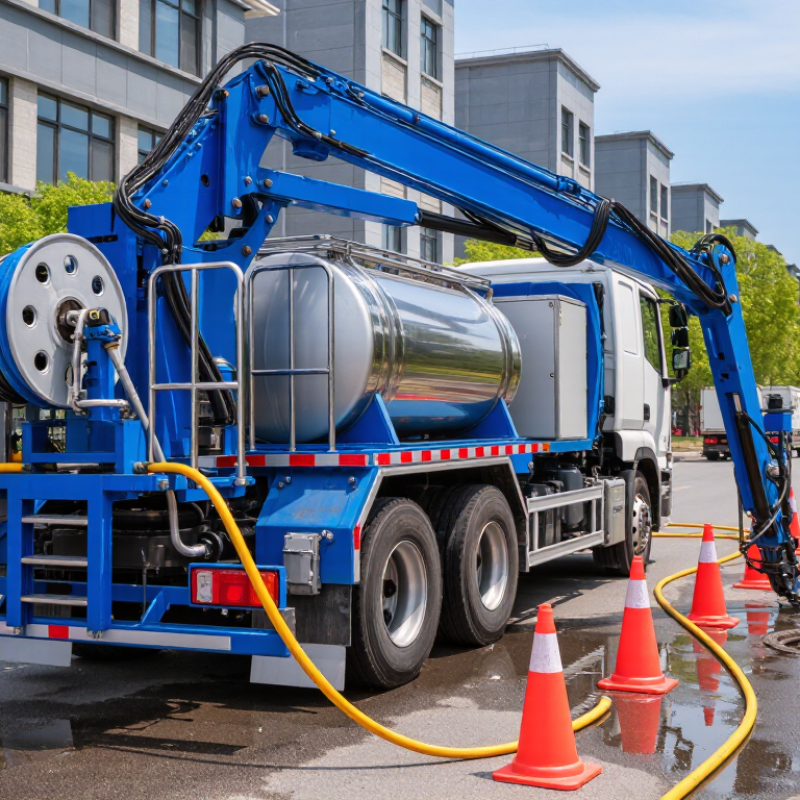
Supply relationships can vary by equipment class and buyer needs. Municipal contractors may seek truck-mounted units with large water tanks, while service firms often prefer compact machines for narrow streets and indoor access points. Suppliers may offer standard configurations, custom options, or private-label production. Public listings rarely explain component origins, testing procedures, or parts availability. That gap deserves attention. Ask for pump specifications, operating pressure and flow, hose dimensions, maintenance intervals, and written test records. A short video of a unit cleaning a real pipe can help, but it is not a substitute for documented performance.

Tips: Compare complete configurations, not headline prices. Request a parts list and warranty terms. Confirm who handles commissioning and after-sales support. Check that operating data matches your pipe diameter and typical blockage material. Small details matter. A suitable machine can still disappoint if replacement hoses or trained technicians are hard to access.

China’s Sewer Line Cleaning Equipment Supply Market Structure

The supply market spans jetting, mechanical cleaning, and sludge recovery equipment. The chart compares typical functional fit by equipment type—not supplier counts, sales, or market share.

Illustrative qualitative ratings on a 1–5 scale, based on common equipment functions. Actual capabilities vary by model and configuration.

Criteria for Comparing Leading Chinese Sewer Line Cleaning Suppliers

Comparing leading Chinese sewer-line cleaning suppliers means checking performance evidence, not catalog claims. Request test records for water pressure, flow rate, hose length, and nozzle compatibility. Ask how each machine performs in a measured pipe section containing settled grit, grease, and bends. EPA’s 2022 Clean Watersheds Needs Survey estimated $630.1 billion in US wastewater and stormwater infrastructure needs over 20 years. That figure is not a measure of Chinese demand, but it shows why buyers should examine equipment durability and maintenance costs, not purchase price alone. Small details matter.

Compare the supplier’s inspection process, component traceability, spare-parts availability, and response time for technical support. Request clear operating limits and documented factory tests, then verify that the offered configuration matches your pipe diameter and cleaning conditions. A short video is useful, but it cannot replace a witnessed test or complete test data. Check whether manuals explain safe setup, routine flushing, and wear-part replacement in plain language. Also compare warranty exclusions carefully. This comparison is imperfect: supplier-reported test results may use different methods, making direct rankings misleading. Ask for the test conditions, repeat runs where practical, and written confirmation of any performance claims before deciding.

Factory Verification, Customization, Export, and After-Sales Support

China Top Sewer Line Cleaning Machine Suppliers?

Factory Verification, Customization, Export, and After-Sales Support

Choosing a supplier takes more than comparing machine specifications. The U.S. EPA’s 2022 Clean Watersheds Needs Survey estimated $630.1 billion in wastewater infrastructure needs over 20 years. That scale makes dependable maintenance equipment important. Ask suppliers for a live factory inspection or a recorded production walkthrough. Check the pump test bench, hose-reel assembly, weld quality, and final inspection records. Request a wet demonstration using the pipe diameter and debris type you expect to handle. A polished brochure proves little.

Tips: Confirm voltage, water-tank capacity, hose length, and nozzle options in writing. Ask for a packing list, export documents, spare-parts schedule, and operating manual before shipment. Test it wet.

Customization should match real operating conditions, not just a sales quote. Confirm the machine’s dimensions, towing or loading needs, and access to replacement parts. For after-sales support, agree on response times, remote troubleshooting, training, and parts availability. Keep the terms specific. A supplier may answer quickly before shipment, then take longer when a component fails; verify support procedures with sample service records or customer references.

Back to top
