Top 5 Filling Capping Machines You Need for Your Business?
In the competitive landscape of manufacturing, the role of a reliable Filling Capping Machine cannot be overstated. According to recent industry reports, the global market for filling and capping machinery is projected to reach $7.5 billion by 2025, driven by increasing demand across various sectors. Efficiency in production is crucial, and filling capping machines enhance productivity by automating essential processes, reducing labor costs, and minimizing human error.
Choosing the right machine is vital. Many businesses often overlook some basic considerations, such as compatibility with different container types or ease of maintenance. A mismatch can lead to inefficiencies, increasing downtime that affects overall output. Feedback from industry users frequently highlights a crucial need for tailored solutions that not only meet current demands but are also adaptable to future needs.
Understanding the intricate balance of speed, accuracy, and adaptability can be challenging. It’s important to reflect on the specific requirements your business faces. As you venture into selecting the right solution, consider how different models can align with your operational goals and enduring quality standards. In this exploration, we’ll identify the top five filling capping machines that can significantly boost your business's efficiency and reliability.
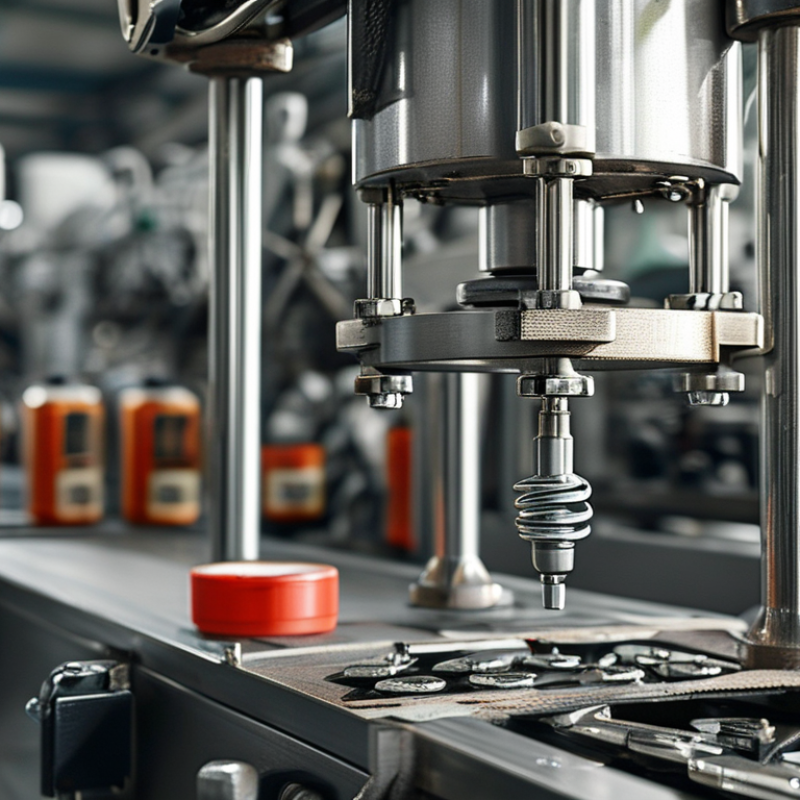
Top 5 Filling Capping Machines Suitable for Various Industries
Filling and capping machines are essential in diverse industries, from beverages to cosmetics. Selecting the right machine can greatly enhance efficiency. For liquid products, volumetric fillers work well. They ensure precise liquid dispensing. This helps maintain consistency in every bottle. Automatic capping machines can handle various cap types, making them versatile.
In the food industry, machines designed for thicker substances are crucial. They can manage viscous sauces or purees effectively. This is a unique challenge, as the viscosity impacts filling accuracy. For sensitive products, like pharmaceuticals, manufacturers often choose cleanroom-compatible machines. These ensure sterility throughout the process. However, the initial investment can be significant.
Often overlooked is machine maintenance. Regular checks prevent downtime. Some businesses may not prioritize this, leading to costly repairs. Understanding the specific needs of your product line is vital. Investing in the wrong type of machine can lead to inefficiencies. It's essential to balance cost with the intended application for the best results.
Top 5 Filling Capping Machines You Need for Your Business
| Machine Type | Filling Capacity (Bottles/Hour) | Capping Type | Ideal Industry | Price Range ($) |
| Semi-Automatic Filling Machine | 500-1000 | Screw Cap | Beverage | 2000-5000 |
| Fully Automatic Liquid Filling Line | 2000-3000 | Snap-On Cap | Pharmaceutical | 15000-25000 |
| Piston Filling Machine | 1000-1500 | Pressure Cap | Cosmetics | 5000-10000 |
| Gravity Filling Machine | 800-1200 | Twist Cap | Food | 3000-7000 |
| Rotary Capping Machine | 1200-2000 | Ropp Cap | Chemical | 10000-20000 |
Understanding Different Types of Filling Technologies and Their Applications
Filling technologies play a critical role in various industries, from food and beverage to cosmetics. The choice of technology directly impacts efficiency and product quality. Traditional methods, like gravity filling, are commonly used for thick liquids. However, they can be slow and imprecise. Advanced techniques, such as vacuum filling or pressure filling, offer more precision. These methods are often faster and enhance the filling process.
Piston fillers are another option, especially for thick or viscous products. They use a cylinder and piston to deliver a specific volume. This technology ensures consistent filling, but they may require frequent cleaning. Meanwhile, pump fillers suit liquids with varying viscosities. They maintain flow control and can adapt to different product types. Understanding these alternatives guides businesses in selecting the right equipment.
Each filling technique has its pros and cons. Some methods may not be suitable for all products or containers. Continuous evaluation and adjustment might be necessary for optimal performance. Experimenting with different machines can lead to better operations, but imperfections exist. This emphasis on understanding your specific needs is vital for future improvements.
Key Features to Consider When Selecting a Capping Machine
When selecting a capping machine, there are several key features to consider to ensure it meets your business's needs. Efficiency is one of the most critical aspects. According to a recent industry report, 66% of businesses see increased productivity when switching to automated capping solutions. This can lead to faster packaging times, ultimately enhancing your bottom line.
Another essential feature is the versatility of the machine. Businesses often require machines that can handle different bottle sizes and closure types. Reports indicate that flexibility can improve production line adaptability by up to 42%. A capping machine that can accommodate various designs minimizes the need for frequent adjustments. Additionally, the ease of cleaning and maintenance is crucial. Many facilities report downtime due to complex maintenance procedures, causing delays in production schedules.
Moreover, the reliability of the machine plays a vital role in decision-making. A dependable capping machine should reduce the chances of product leakage or misalignment. Industry standards highlight that up to 30% of production issues stem from equipment failures. Businesses would do well to factor in the long-term warranty and support services when choosing a capping machine. Addressing these factors can lead to a smoother operational flow and a robust packaging strategy.
Industry Statistics on Efficiency Improvement with Automated Systems
In the competitive landscape of manufacturing and packaging, efficiency is crucial. Automated filling and capping machines are game-changers. Industry statistics reveal that businesses adopting these systems have seen a remarkable increase in productivity. On average, companies reported a 20% boost in output. This is achieved through reduced manual labor and minimized errors.
However, implementing automated systems requires careful planning. Not all machines fit every business model. Reviews indicate that some businesses faced challenges in integration with existing workflows. Proper training is essential to maximize the benefits of new technology. A well-trained team can leverage these systems effectively, ensuring a smoother transition.
Moreover, automation can lead to less flexibility in production lines. Companies might find it difficult to adapt quickly to new product requirements. While the long-term gains are significant, the short-term adjustments may impact daily operations. Businesses must reflect on their unique needs before making such investments. Balancing automation with flexibility can define future successes.
Case Studies: Successful Implementations of Filling Capping Machines
In various industries, filling and capping machines have transformed packaging processes. One case study illustrates a beverage company that faced chronic delays in production. They decided to integrate an automated filling capping system. Initially, training staff was challenging, causing some initial errors. However, once the team adapted, production efficiency improved by over 50%. This success story highlights the significant impact of technology on operational workflows.
Another example comes from a cosmetics manufacturer. They struggled with inconsistent filling levels and capping discrepancies. By investing in a custom filling capping machine, they addressed these issues effectively. At first, they faced setbacks due to misalignment in machine setup. After several adjustments and continuous monitoring, their fill levels became consistent, leading to increased customer satisfaction. This case emphasizes the need for ongoing evaluation and tweaks, even after implementation.
These examples demonstrate the potential of filling capping machines to enhance business operations. While the initial stages may involve some obstacles, the long-term benefits are evident. Companies must remain committed to refining processes to maximize results.



 Send Inquiry

