Top 10 Office Paper Types for Your Business Needs?
When it comes to running a successful business, the choice of Office Paper plays a crucial role. Selecting the right type of office paper can impact productivity, cost-efficiency, and even the environment. High-quality paper enhances printed materials and makes a significant difference in daily operations. It is essential to understand the various types of office paper available in the market.
Not all office paper is created equal. There are diverse options, including copier paper, recycled paper, and Specialty Paper. Each type serves different purposes, catering to specific business needs. Choosing the wrong paper can lead to issues such as paper jams or poor print quality, ultimately wasting resources.
Making informed decisions about office paper types requires both knowledge and experience. Consider factors like weight, brightness, and texture. This can improve not only your business image but also your team’s efficiency. A comprehensive understanding of your office paper needs can guide you in selecting the ideal type for your business operations.
Types of Office Paper: An Overview of Common Varieties
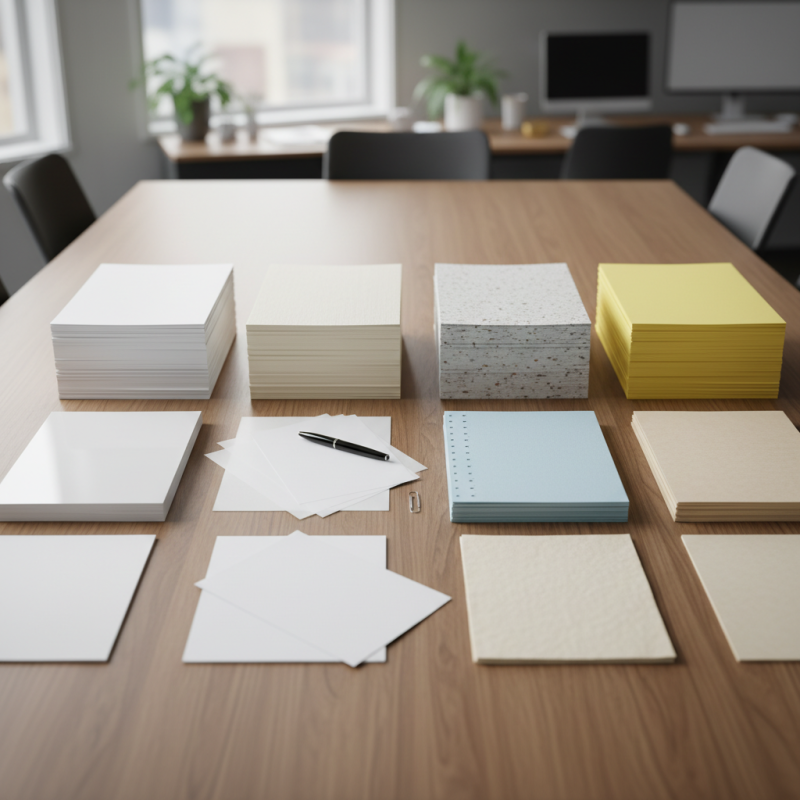
When choosing office paper, consider the specific needs of your business. There are various types available, each serving a unique purpose. For instance, standard copy paper is versatile and essential for everyday printing tasks. This paper type comes in different weights, typically 20 lb and 24 lb, influencing its thickness and opacity. A higher weight usually means better quality and durability.
Another popular choice is cardstock, which is thicker and sturdier than regular paper. It is ideal for business cards, flyers, and brochures. If your office requires color presentations, glossy photo paper can make images look vibrant and professional. For reports or marketing materials, a high-quality linen or textured paper can leave a lasting impression.
**Tip:** Always assess paper weight and finish based on your project's demands. For documents that highlight graphics or visuals, prefer heavier, glossy paper to enhance clarity.
Consider recycled paper if sustainability is essential to your business. It can reduce your carbon footprint without compromising quality. However, keep in mind that not all recycled paper offers the same print performance. Evaluate your options before making a choice.
**Tip:** Test different paper types to find the best fit for your printing equipment. A mismatch can lead to jamming or smudging.
Top 10 Office Paper Types for Your Business Needs
This chart illustrates the common types of office paper and their usage percentages in businesses. It helps in understanding which type of paper is most utilized for various purposes.
Understanding Paper Weight and Its Impact on Business Applications
Selecting the right paper type is crucial for every business. Understanding paper weight is key to making informed choices. Paper weight directly affects durability and appearance. For instance, heavier paper conveys professionalism. It’s ideal for reports or presentations. Lighter paper works well for internal documents. It saves on costs but may look less impressive.
When choosing paper, consider the texture. Smooth finishes enhance color and clarity. They’re perfect for brochures and marketing materials. Textured paper adds a tactile element. It can elevate invitations or special announcements.
Tip: Always test samples before purchase. This helps assess how the paper feels and performs. Remember that the wrong choice can lead to disappointment. Emphasizing quality will reflect well on your brand. It’s worth the effort to understand your options.
Eco-Friendly Paper Options for Sustainable Business Practices
In today's business environment, adopting eco-friendly paper options is more than a trend; it's a necessity. Recent studies show that companies using sustainable paper can reduce their carbon footprint by over 50%. This significant reduction highlights the importance of choosing materials that are sourced responsibly. For instance, recycled paper uses 60% less energy and 70% less water compared to traditional paper.
Switching to eco-friendly paper often includes options like hemp or bamboo paper. These alternatives grow faster and require fewer resources. Hemp can grow up to four times faster than trees. This speed is crucial for sustainable forestry practices. Despite these benefits, many businesses still hesitate to make the switch. Concerns about quality and cost remain prevalent. However, research indicates that the long-term savings on waste and energy can outweigh initial investments.
Investing in eco-friendly paper also reflects a commitment to sustainability. According to the World Wildlife Fund, consumers are 50% more likely to support brands that prioritize environmental responsibility. As awareness grows, businesses need to adapt. Choosing sustainable options is a step toward a greener future, but reflection on motivations is essential. Are these changes driven by trends or genuine concern for the planet? This introspection will guide businesses to more responsible practices.
Choosing the Right Paper for Printing and Copying Needs
Choosing the right paper for printing and copying is crucial for any business. According to industry reports, approximately 32% of printing costs come from paper. This emphasizes the need to assess paper types carefully. Different weights and textures serve different purposes. A heavier weight paper is better for presentations, while lighter options are more economical for everyday copying.
In terms of brightness, higher brightness levels enhance the vibrancy of colors. Studies show that using paper with a brightness of 90 or higher can improve readability by up to 15%. It's essential to balance quality and cost. Not all tasks demand premium options. For internal documents, standard copy paper often suffices, saving on expenses without sacrificing functionality.
Moreover, businesses should consider environmental impact. Reports indicate that 60% of consumers prefer brands that use recycled paper. This preference can influence buying decisions. Eco-friendly options may not always be the cheapest but investing in them can enhance brand reputation. Reflect on your current paper usage. Are you optimizing efficiency while maintaining quality? Small changes can lead to significant improvements in both cost and environmental commitment.
Specialty Papers for Unique Business Projects and Presentations
In today's competitive business environment, choosing the right specialty paper can elevate your projects. Unique business needs often require tailored solutions. Specialty papers can enhance presentations, marketing materials, and client proposals. According to a report by the Paper and Paperboard Packaging Environmental Council, using high-quality paper can increase engagement by 32%. This data emphasizes the importance of selecting the appropriate paper type.
Consider using textured paper for reports. It adds a tactile dimension that engages your audience. For presentations, colored papers can draw attention to key points. A clear, organized format paired with eye-catching visuals can make a significant impact. The right paper choice can distinguish your work from competitors.
Tip: When selecting specialty paper, always request samples. This helps assess the texture and weight firsthand. Also, keep in mind that not all projects require premium options. Budget constraints are common, and it's essential to balance quality with cost. Another tip: consider the environmental impact. Sustainable paper choices resonate more with eco-conscious consumers. Always reflect on the message your paper conveys about your brand.



 Send Inquiry

