GST : 27AAFFV7667M1ZA

call images

Call us

08045801431

2026 Top POY Spinning and Winding Machine Suppliers?

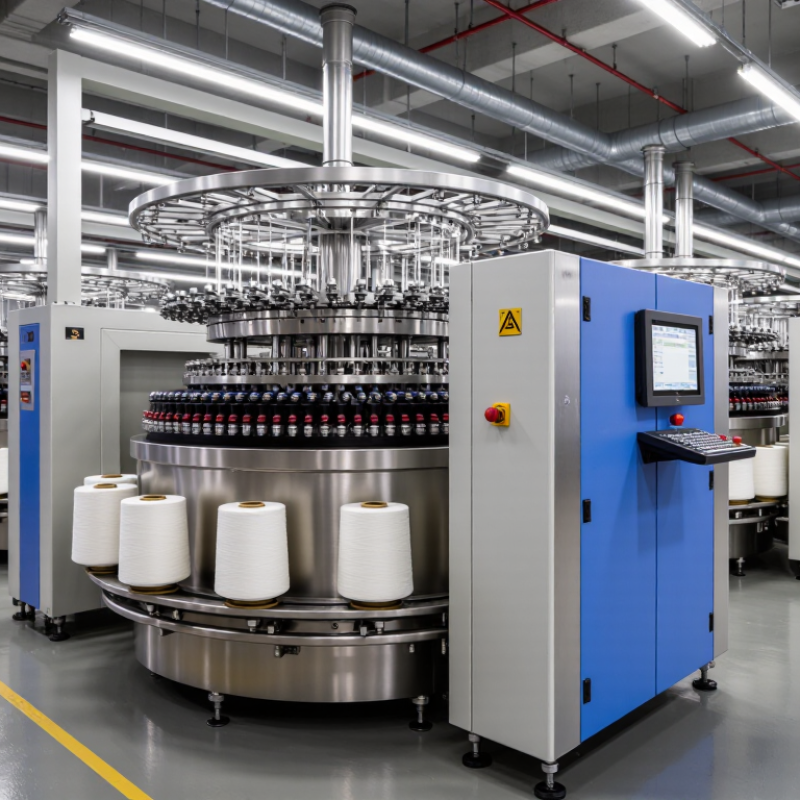
Choosing a POY Spinning And Winding machine supplier is not just a price comparison. The right line must turn polymer melt into consistent partially oriented yarn, then wind it into packages that unwind cleanly downstream. Small details matter: traverse stability, tension control, package density, and how quickly operators can reach a sensor or thread a broken end. A machine may look impressive in a showroom. Production tells the fuller story.

This 2026 supplier guide compares manufacturers through practical criteria: spinning positions, winding speed, automation, energy use, spare-parts access, and technical support. It also considers whether suppliers can adapt equipment to a plant’s yarn specifications and operating conditions. Buyers should ask for trial data, reference installations, and clear service commitments—not just brochure figures. One caution: published capacity does not always reflect stable, everyday output. And no single supplier is best for every mill.

A named expert quotation should be checked against a published interview or other reliable source. No source was provided here, so attributing an unverified statement to an expert would risk misleading readers. This guide instead focuses on verifiable questions buyers can raise before choosing a supplier. After all, the strongest decision is the one supported by evidence from the line, not a polished promise.
2026 Top POY Spinning and Winding Machine Suppliers?

What Is POY Spinning and Winding?

POY, or partially oriented yarn, is a continuous-filament yarn. Molten polymer passes through a spinneret; filaments cool, receive finish, and wind into packages. Its molecular orientation is incomplete, so POY is commonly drawn and textured later to create stronger yarn with greater bulk.

Textile Exchange’s Materials Market Report 2024 reports

124 million tonnes of global fiber production in 2023; polyester made up about 57%.

That scale makes stable, efficient POY production important.

A POY spinning and winding line coordinates melt delivery, spinnerets, quenching airflow, finish application, godets, and precision winders. Winding forms packages at controlled tension and speed; uneven tension can cause hard edges, sloughing, or downstream breaks. When comparing suppliers, examine denier range, spindle configuration, winding speed, package dimensions, energy use, and process support. Ask for trial data using your polymer and target yarn. Catalog speeds alone can mislead.

Tips: Check cross-winding and package density on actual samples. Small details count. Record yarn breaks and package defects during a sustained run, not just a brief demonstration. A clean package is useful, but it cannot prove the whole line is reliable.

How POY Spinning and Winding Machines Work

How POY Spinning and Winding Machines Work

POY, or partially oriented yarn, is made by turning polymer melt into continuous filaments. The melt passes through a spinneret, creating fine streams that cool into filaments. A finish applicator then adds a controlled lubricant layer. Godet rollers guide and draw the filaments, while speed and temperature influence yarn properties. The winder gathers the yarn onto a package with controlled tension. Small variations matter: uneven tension can produce loose edges or unstable packages.

Textile Exchange’s Materials Market Report 2024 estimates global fiber production reached 124 million tonnes in 2023, with polyester accounting for 57%. That scale makes process consistency important.

A clean diagram makes this process look simpler than a running line. In practice, operators monitor filament breaks, package shape, and changing tension. Winding control must adapt as package diameter grows, or yarn may slip or form hard spots. These details also help buyers assess a machine’s controls, maintenance access, and operating data before choosing a supplier.

Tips: Check package edges and surface firmness during trial runs. Ask for test results using your intended polymer and yarn specification. A brief trial can reveal issues that brochures miss.

Key Features of Modern POY Production Equipment

2026 Top POY Spinning and Winding Machine Suppliers?

Key Features of Modern POY Production Equipment

Modern POY lines depend on stable melt delivery, controlled cooling, and repeatable winding. A precision metering pump helps maintain even polymer flow across spinning positions. After extrusion, cross-flow quenching cools filaments before they reach the godets. Airflow must remain consistent; small changes can affect yarn uniformity. Details matter.

Modern controls track temperatures, pressure, godet speeds, and winding conditions. Operators can use these readings to spot drift before it causes frequent breaks or uneven packages. A well-designed winder supports steady tension and clean package formation, while accessible guides make threading and changeovers less awkward. Less downtime helps, but automation still needs trained supervision.

Energy use and maintenance access also deserve attention. Insulated heating zones and efficient drive systems can reduce waste, depending on the line and its operating pattern. Clear access to filters, pumps, and spinning positions makes routine checks easier. There is no perfect recipe: polymer, throughput, and plant conditions all influence settings. Equipment data is useful, but operators should compare it with actual yarn tests and production records. A dashboard cannot explain every defect.

How to Evaluate POY Machine Suppliers in 2026

2026 Top POY Spinning and Winding Machine Suppliers?

How to Evaluate POY Machine Suppliers in 2026

Supplier evaluation should begin with the yarn you need to produce, not a catalogue’s headline speed. The Textile Exchange Materials Market Report 2024 estimates global fiber production reached 124 million tonnes in 2023, with polyester accounting for about 57%. This scale makes consistent output important, but the figure describes all fibers, not POY machine performance.

Ask each supplier to run a trial using your intended polymer, filament count, and production conditions. Review denier variation, winding tension, package shape, end-break frequency, and energy use per kilogram. Request machine logs, acceptance-test criteria, and references from plants producing comparable yarn. A smooth showroom demonstration proves little.

Energy deserves a close look. The IEA’s Energy Efficiency 2023 report puts industry at roughly 37% of global energy use, making consumption a practical comparison point. Compare measured kWh per kilogram at the same output, rather than relying on estimates. Check commissioning support, spare-parts lead times, and operator training in writing. One awkward question: how quickly can the supplier diagnose a fault remotely, and who pays for delays? No single metric captures real factory conditions; trial results can still be imperfect.

2026 Top POY Spinning and Winding Machine Suppliers? - How to Evaluate POY Machine Suppliers in 2026
Evaluation Dimension Weight Data to Request How to Evaluate Score
Product and process fit 18% Supported polymer, POY denier range, filament count, cross-section options, and intended end uses. Confirm the proposed configuration can produce every required product using documented specifications and representative trial results. 0–5
Capacity and productivity 14% Guaranteed output in kg/h, number of spinning positions, operating shifts, and stated production assumptions. Compare guaranteed saleable output with the project requirement; check whether the calculation accounts for product mix and planned operating time. 0–5
Winding performance 14% Take-up speed range in m/min, winding positions, package dimensions and mass, traverse details, and doffing method. Match the proposed operating window and package format to the buyer’s product and downstream handling requirements; confirm by trial and acceptance testing. 0–5
Yarn quality and consistency 14% Trial data for denier variation, package build, yarn breaks, and other quality measures specified for the product. Compare results across positions and packages against agreed product specifications; request test methods, sample size, and trial conditions. 0–5
Reliability and availability 10% Operating references, maintenance schedule, critical component list, and availability data where available. Check the measurement period and definition. A common calculation is operating time ÷ planned production time; agree exclusions before comparing offers. 0–5
Energy and resource consumption 8% Power consumption and any relevant compressed-air, cooling-water, or other utility requirements. Compare kWh/kg and utility use only when the measurement boundary, product, output rate, and operating conditions are equivalent. 0–5
Automation and controls 6% Control and monitoring functions, alarm history, recipe management, data export, and automation options. Verify functions during a demonstration and confirm compatibility with the plant’s operating procedures and information systems. 0–5
Installation and site requirements 5% Machine layout, foundation and floor-load data, electrical requirements, utilities, and environmental conditions. Check the supplier’s documented requirements against the project site survey and facility capacity before order placement. 0–5
Safety and regulatory documentation 5% Risk assessment, guarding details, operating and maintenance instructions, and conformity documents applicable to the destination market. Review documentation against the project location’s applicable regulations and the buyer’s site safety requirements. 0–5
Service, spares, and commissioning 6% Commissioning scope, training plan, spare-parts list and lead times, service coverage, and written response commitments. Evaluate the contractual service plan, availability of critical spares, and support arrangements for the installation location. 0–5
Total evaluation weight 100% Weighted result = Σ (criterion weight × score ÷ 5). Use the same evidence requirements and scoring rules for every bid. —
Scoring guide: 0 = no evidence; 1 = major gaps; 2 = partially meets requirements; 3 = meets documented requirements; 4 = exceeds requirements with verified evidence; 5 = exceeds requirements and is confirmed by an agreed production trial. Technical targets should be defined for the specific product, site, and contract rather than treated as universal machine standards.

Leading POY Spinning and Winding Machine Suppliers in 2026

Leading POY Spinning and Winding Machine Suppliers in 2026

In 2026, leading POY spinning and winding machine suppliers stand out through process stability, responsive engineering, and dependable service. A useful supplier can explain how its equipment manages polymer flow, filament cooling, drawing, and winding as one connected line. Ask for production data under conditions close to your own, not only a polished demonstration. Small differences in yarn quality can matter. They may affect downstream texturing, package handling, and waste.

Compare winding speed, package build, automatic doffing, and control-system features against your target yarn and plant layout. Check which spare parts are stocked locally and how quickly technicians can respond. Request references from installations with similar output requirements. A supplier’s reputation matters, but measurable performance matters more. I would still be cautious: published figures may not reflect your polymer, operator skill, or maintenance routine.

Tips: Prepare a short trial checklist before supplier meetings. Include yarn uniformity, package density, energy use, changeover time, and support response. Ask what happens during an unplanned stop. Clear answers are useful. Vague promises are not.

Back to top
